

Does Eel Sauce Have Eel? Uncovering the Truth for B2B Buyers
As a B2B buyer in the foodservice industry, you know that understanding your ingredients is paramount. One common question that often arises, particularly for those passionate about Japanese cuisine or concerned with dietary restrictions, is: does eel sauce have eel? This seemingly simple query carries significant weight for menu planning, allergen declarations, and ensuring customer satisfaction.
Eel sauce, often known as unagi tare, is a beloved condiment, most famously paired with grilled freshwater eel (unagi kabayaki). Its rich, sweet, and savory profile makes it indispensable for many dishes. However, its name can be misleading. For businesses sourcing `eel sauce product page`, clarity on its composition is essential to serve diverse clientele, especially those avoiding seafood.
What is Eel Sauce (Unagi Tare) Made From?
Eel sauce, or unagi tare, is primarily a sweet and savory glaze. Its traditional formulation is quite straightforward, relying on a few core ingredients that create its distinctive flavor profile. The key components typically include:
- Soy Sauce: Provides the fundamental savory, umami base.
- Mirin: A sweet rice wine, crucial for adding sweetness and a glossy sheen.
- Sugar: Often granulated sugar or brown sugar, enhancing the sweetness and contributing to the sauce's thick consistency.
- Sake: Japanese rice wine, used in smaller quantities for depth of flavor and to balance the sweetness.
So, to directly answer the question: does eel sauce have eel? In the vast majority of commercial and traditional preparations, no, eel sauce does not contain actual eel meat or even eel extract. The name "eel sauce" comes from its primary culinary application: it is the quintessential sauce for glazing grilled `unagi kabayaki product`.
For decades, our team at Eelpro Co., LTD has specialized in supplying both `frozen unagi kabayaki` and authentic `eel sauce (unagi tare)` to global markets. We understand the precise balance needed to complement the rich flavor of unagi, and that balance comes from these classic ingredients, not from adding eel to the sauce itself. The sauce is designed to enhance, not replicate, the eel's natural taste.
You might wonder, then, `why is it called eel sauce` if it contains no eel? It's a matter of culinary tradition and pairing. Think of "duck sauce" in Chinese cuisine – it's for duck, not made from duck. Similarly, eel sauce is the perfect partner for eel dishes, particularly `unagi ramen: japanese eel noodle soup guide` or `eel sushi roll recipe: make unagi rolls`.
Common Eel Sauce Ingredients: A Breakdown
Understanding these `eel sauce ingredients` helps in both sourcing and application. Here’s a closer look:
| Ingredient | Primary Function | Notes for B2B Buyers |
|---|---|---|
| Soy Sauce | Savory base, umami | Check for gluten-free options if needed. Quality affects overall flavor. |
| Mirin (Mirin) | Sweetness, glaze, alcohol content | Authentic mirin contains alcohol; mirin-style seasonings often have less or no alcohol. |
| Sugar | Sweetness, caramelization, thickness | Varies by brand (granulated, brown, corn syrup). Impacts sweetness level. |
| Sake (Sake) | Flavor depth, acidity balance | Typically cooked off, but trace alcohol may remain. |
| Thickeners | Consistency (e.g., cornstarch) | Common in commercial sauces for desired viscosity. |
As you can see, the list of standard `eel sauce ingredients` does not include any form of eel. This is a crucial point for businesses catering to customers with specific dietary needs or allergies.
Eel Sauce Formulations: A Buyer's Comparison
When sourcing eel sauce for your restaurant, catering service, or retail line, understanding the different formulations available is key. While the fundamental answer to "does eel sauce have eel" remains largely "no," variations exist primarily in ingredient quality, sweetness levels, and the presence of additional flavor enhancers. This impacts taste consistency and suitability for different dishes.
Our experience as an `unagi kabayaki manufacturer , frozen eel supplier` has shown us that consistency and authentic flavor are paramount. We formulate our `eel sauce (unagi tare)` to perfectly complement our `high quality unagi`, ensuring a reliable product for our B2B partners.
Comparing Commercial Eel Sauce Options
Here’s a comparison to guide your purchasing decisions:
| Feature | Typical Commercial Eel-Free Sauce (Standard) | Specialty/Premium Eel-Free Sauce | Eelpro Co., LTD Eel Sauce |
|---|---|---|---|
| Eel Content | No actual eel or eel extract. | No actual eel or eel extract. | No actual eel or eel extract. |
| Primary Ingredients | Soy sauce, sugar/corn syrup, mirin-style seasoning, thickeners. | High-quality soy sauce, real mirin, cane sugar, sake, minimal thickeners. | Carefully selected soy sauce, mirin, sugar, sake for authentic balance. |
| Flavor Profile | Often very sweet, sometimes less complex. | Balanced sweetness, deeper umami, natural caramel notes. | Authentic, balanced sweet-savory, designed to enhance unagi. |
| Texture | Varies from thin to moderately thick, often with added thickeners. | Naturally thickens through reduction, less reliance on artificial thickeners. | Consistent, glossy texture suitable for glazing `unagi kabayaki eel` and `eel teriyaki: grilled unagi with sweet`. |
| Allergen Concerns | Soy, wheat (gluten), sometimes sulfites. | Soy, wheat (gluten), sometimes sulfites. | Soy, wheat (gluten), sometimes sulfites. |
| Ideal Application | General `sushi sauce`, glazes for various proteins, marinades. | Premium unagi dishes, high-end sushi, gourmet applications. | Authentic unagi kabayaki, `eel sushi roll recipe: make unakyu maki`, `eel rice bowl toppings: 7 better donburi ideas`. |
The key takeaway from this comparison is that regardless of the specific brand or quality tier, the vast majority of commercial eel sauces, including ours, are formulated without any eel product. This directly addresses the question of "does eel sauce have eel" and provides clarity for your procurement team.
Sourcing Eel Sauce for Your Business: A Decision Checklist
Choosing the right `unagi sauce` is more than just taste; it involves logistical, quality, and dietary considerations. As a B2B buyer, your decisions impact your menu, your brand reputation, and your operational efficiency. Our Eelpro Co., LTD Technical Team, with years of experience in the seafood export industry, offers this checklist to guide your sourcing strategy:
Buyer's Decision Checklist for Eel Sauce
- Ingredient Transparency: Always request full ingredient lists. Confirm if the `eel sauce ingredients` align with your standards and allergen policies. This is where you verify, once and for all, `does eel sauce contain real eel` (it shouldn't).
- Allergen Information: Beyond eel, check for common allergens like soy, wheat (gluten), and sulfites. This addresses the long-tail question: `is eel sauce safe for people avoiding seafood`? Generally, yes, but always confirm for specific formulations. If a truly `seafood-free sauce` is critical, double-check cross-contamination policies from the manufacturer.
- Flavor Profile Consistency: Ensure the sauce delivers a consistent sweet-savory balance batch after batch. Inconsistent flavor can impact your finished dishes. Our production at Eelpro Co., LTD prioritizes this consistency, from our `eel farm.html` to our processing facilities.
- Texture and Viscosity: Does the sauce have the right consistency for your application? Is it ideal for glazing, drizzling, or marinating? Our `kabayaki sauce article` delves into achieving the perfect glaze.
- Packaging and Shelf Life: Consider bulk packaging options, storage requirements, and shelf life to minimize waste and optimize inventory.
- Certifications and Quality Control: While our company brief doesn't list specific certifications, we maintain strict quality control throughout our process, from sourcing `freshwater eels` to producing `frozen seafood` and sauces. Inquire about a supplier's quality assurance practices.
- Cost-Effectiveness: Balance price with quality. A cheaper sauce might compromise flavor or require more product to achieve the desired effect.
- Supplier Reliability: Choose a supplier with a proven track record for on-time delivery and consistent product quality, especially important for large-volume orders.
By using this checklist, you can confidently source `unagi sauce` that not only tastes great but also meets all your operational and customer needs. For example, when creating a new `eel recipes for meal prep: makeahead ideas` menu item, you need a sauce that performs consistently whether you're using it fresh or after thawing.
Elevating Dishes: Beyond Traditional Unagi Pairings
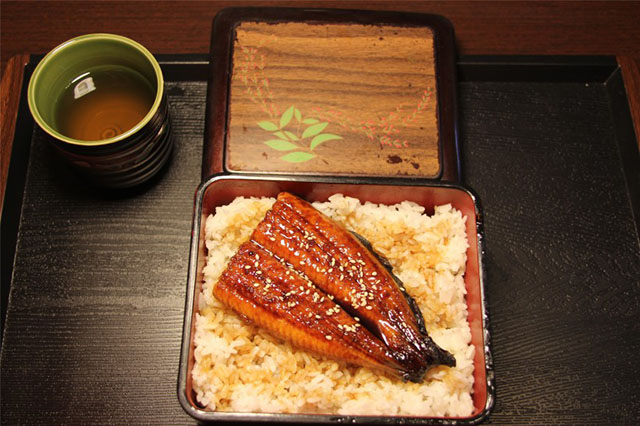
While eel sauce is synonymous with unagi, its versatility extends far beyond. Knowing that does eel sauce have eel is almost always "no" frees up its application for a wider range of dishes, making it a valuable `sushi sauce` and glaze in any professional kitchen. Its sweet, salty, and umami notes make it an excellent flavor enhancer for various proteins and vegetable preparations.
Consider these alternative applications for our `eel sauce (unagi tare)`:
- Sushi and Sashimi: Beyond unagi rolls, a drizzle of eel sauce can add a touch of sweetness and richness to other sushi rolls or even certain types of nigiri, functioning as a general `sushi sauce`.
- Glaze for Other Proteins: It works wonderfully as a glaze for grilled chicken, pork ribs, or even `frozen seafood` like salmon or shrimp. Its caramelizing properties create an appealing finish. For an unexpected twist, try it on `eel tempura: crispy japanese recipe guide` or even `shrimp tempura`.
- Marinade Base: Combine it with ginger, garlic, and a touch of sesame oil for a quick and flavorful marinade for meats or tofu.
- Stir-Fry Sauce: A spoonful can deepen the flavor of stir-fries, adding complexity to vegetables and noodles.
- Dipping Sauce: Serve it alongside `chinese dimsum`, spring rolls, or even roasted vegetables for an extra layer of flavor.
- Dressings: Whisk it into vinaigrettes for an Asian-inspired salad dressing.
The beauty of eel sauce lies in its ability to transform simple ingredients into something special, without introducing actual eel into the dish. This makes it an incredibly flexible ingredient for B2B kitchens looking to innovate and expand their menus, knowing that `does eel sauce have eel` is usually a non-issue for seafood allergens. Our `eel sauce recipe: makeahead and storage tips` provides further insights into its use and care.
At Eelpro Co., LTD, we are committed to providing high-quality, authentic ingredients like our `eel sauce (unagi tare)` that empower B2B buyers to create exceptional culinary experiences. Understanding the true composition of this versatile sauce opens up a world of possibilities for your business.