

Exploring Chinese Eel Food: Regional Dishes and Product Formats
When you hear "chinese eel food," what comes to mind? Is it the succulent grilled unagi served in a bustling restaurant, or perhaps the live freshwater eels destined for a gourmet kitchen? For B2B buyers, understanding this diverse category is key to tapping into a significant global market. Chinese eel food represents a broad culinary tradition, encompassing both traditional regional dishes and a wide range of commercially prepared products ready for export.
Understanding Chinese Eel Food: More Than Just a Dish
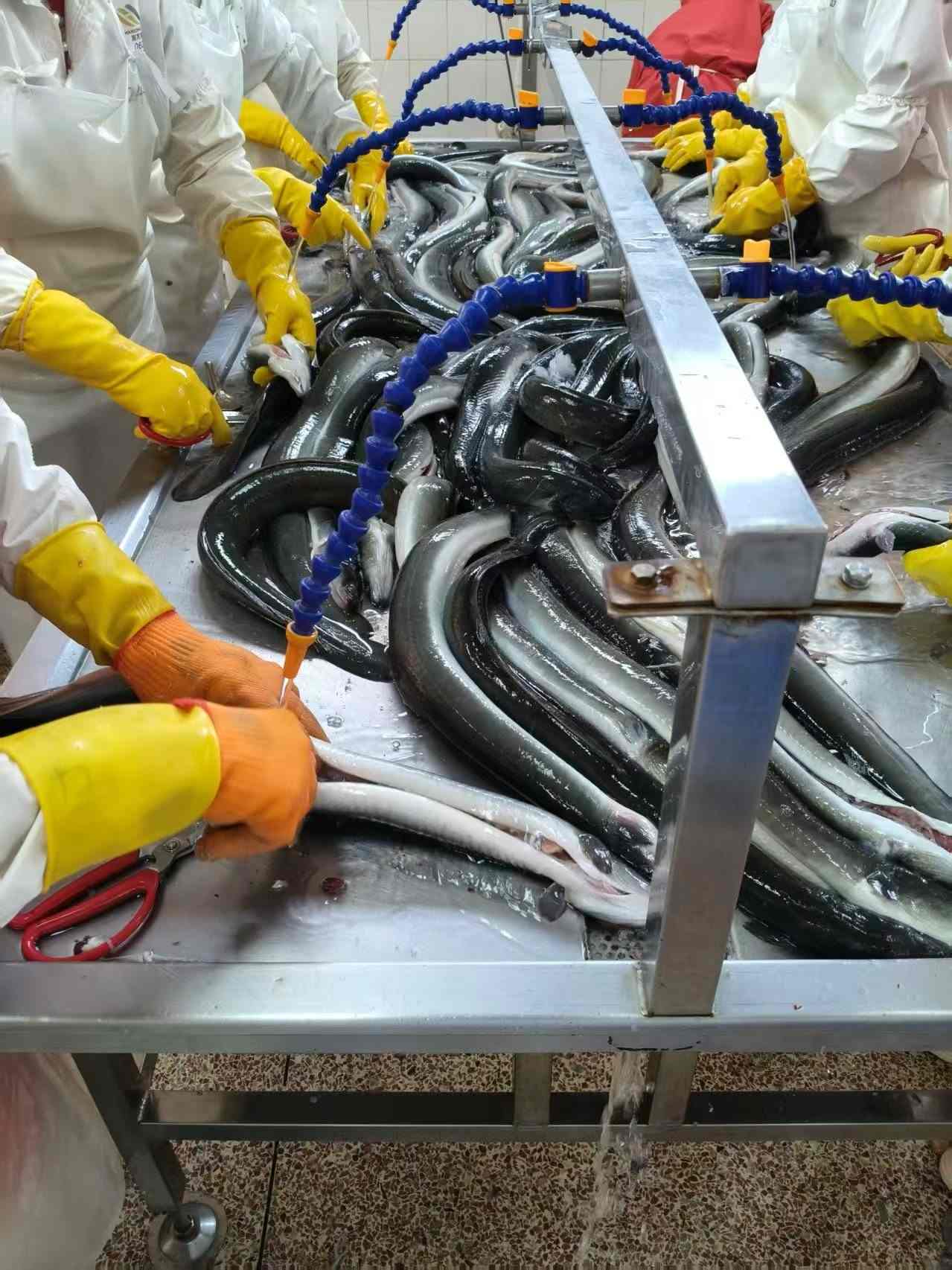
Chinese eel food refers not only to the many delicious preparations found across China's diverse culinary landscape but also to the various forms of eel products available for international trade. From live freshwater eels to processed frozen unagi kabayaki and specialty eel sauce, the offerings are extensive. At Eelpro Co., LTD, we see firsthand the demand for these versatile products in kitchens and distribution networks worldwide. The global appetite for eel, especially for species like Anguilla japonica, continues to grow, making unagi kabayaki manufacturer a vital part of the seafood supply chain.
The term "chinese eel food" covers everything from the raw material itself—freshwater eels harvested from farms—to highly processed, ready-to-heat meals. This versatility makes it a valuable commodity for restaurants, caterers, and wholesale distributors looking to diversify their menus and product lines. Our technical team observes that buyers often seek specific formats to suit their operational needs, whether it's whole fish for traditional preparation or pre-portioned fillets for efficient service.
Exploring Key Chinese Eel Dishes and Regional Flavors
The culinary heritage of Chinese eel dishes is rich and varied, with each region boasting unique preparations that highlight the eel's natural texture and flavor. These dishes are popular in local eateries and increasingly sought after in international foodservice markets.
- Guangdong (Cantonese) Style: Often featuring freshwater eels, Cantonese dishes emphasize steaming or braising to preserve the eel's delicate texture. Common preparations include stir-fried eel with black bean sauce or clay pot eel with taro. The focus is on freshness and subtle seasoning, allowing the eel's natural sweetness to shine.
- Shanghai/Jiangsu Style: Known for its "red-braised" techniques, this region produces intensely flavorful eel dishes. Red-braised eel, or "Hongshao Wongshan," involves slow-cooking eel in a rich soy sauce-based broth with sugar, Shaoxing wine, and aromatic spices. The result is tender, gelatinous eel with a deep, savory-sweet profile.
- Fujian Style: Fujian's coastal location means its cuisine often incorporates fresh seafood. Freshwater eels are commonly stir-fried with vegetables or used in hearty soups, reflecting a preference for light, clear flavors that complement the eel without overpowering it.
- Sichuan Style: While less common than in other regions, some Sichuan eel dishes incorporate spicy and numbing flavors, such as "Mapo-style" eel, offering a fiery twist to traditional preparations.
For foodservice, understanding these regional preferences helps buyers select the right type of Chinese eel products. For instance, a restaurant focusing on authentic Cantonese cuisine might prefer whole fresh or frozen eels for their own preparation, while an Asian fusion bistro might opt for pre-cooked frozen unagi kabayaki to save prep time.
Commercial Chinese Eel Products for Global Buyers
Eelpro Co., LTD specializes in providing a range of high-quality Chinese eel products tailored for the international market. From raw materials to ready-to-serve options, our offerings address different buyer needs. This table outlines the primary product formats and their typical applications:
| Product Type | Description | Target Buyer | Preparation/Use | Key Consideration |
|---|---|---|---|---|
| Live Freshwater Eels | Premium live Anguilla japonica, typically kept in controlled environments for maximum freshness. | High-end restaurants, specialized seafood distributors, Asian markets. | Requires skilled preparation (cleaning, deboning, cooking) on-site. Ideal for hyper-fresh dishes. | Logistics: Demands fast, specialized transport to maintain vitality. Unagi eel farm quality is paramount. |
| Frozen Unagi Kabayaki | Grilled and sauced eel fillets, flash-frozen immediately after preparation. Ready-to-heat. | Restaurants (sushi, Japanese, fusion), caterers, retail food service, cruise lines. | Thaw and reheat (microwave, oven, grill). Perfect for unagi don, sushi, or bento boxes. | Consistency: Look for uniform size, sauce distribution, and minimal freezer burn. Our unagi kabayaki eel offers consistent quality. |
| Eel Sauce (Unagi Tare) | Sweet and savory glaze, essential for unagi kabayaki and other grilled dishes. Available in bulk. | Restaurants, food manufacturers, distributors. | Used as a glaze, marinade, or dipping sauce. Also ideal for other eel sauce product page applications. | Flavor Profile: Balance of sweetness, umami, and saltiness. Must complement eel without overpowering. |
| Frozen Raw Eel Fillets | Freshwater eel fillets, cleaned and flash-frozen without cooking or sauce. | Restaurants (Chinese, European), food processors, distributors. | Allows for custom preparation: braising, frying, grilling, smoking. Offers maximum culinary flexibility. | Quality: Look for clean cuts, firm flesh, and proper freezing to prevent texture degradation. |
| Other Frozen Seafood | Beyond eel, we also offer a variety of frozen seafood products, expanding options for diverse menu needs. | General seafood distributors, large-scale caterers. | Varies by product, typically requiring standard cooking methods. | Variety: A single supplier for multiple seafood needs streamlines procurement. |
When considering eel food exports, factors like freezing technology, packaging, and cold chain integrity are paramount. Our facilities prioritize these aspects to ensure that whether you're receiving live eels or frozen unagi kabayaki, the product arrives in optimal condition.
Sourcing Chinese Eel Products: A Buyer's Checklist
Making informed decisions when sourcing Chinese eel products is vital for any B2B buyer. Here's a checklist to guide your procurement process:
- Supplier Reputation and Experience: Investigate the supplier's history. How long have they been in the eel food exports business? Do they specialize in eel, or is it a sideline? Eelpro Co., LTD has years of experience in the industry, focusing on eel products.
- Product Specifications: Clearly define your requirements. What species of eel? What size range? What level of processing (live, raw frozen, cooked frozen)? For example, if you need unagi kabayaki eel, specify the sauce level and grilling style.
- Quality Control Measures: Ask about the supplier's quality assurance protocols. How do they ensure freshness? What freezing methods do they use? Our eel lab of eelpro co., ltd conducts rigorous testing to maintain product standards.
- Packaging and Cold Chain Logistics: Ensure packaging is suitable for international shipping and preserves product integrity. Verify the cold chain is maintained from processing to delivery. This is especially critical for frozen Chinese freshwater eel.
- Minimum Order Quantities (MOQ): Understand the supplier's MOQ. This impacts your inventory management and cost efficiency.
- Sample Availability: Request samples to assess quality, taste, and consistency before committing to a large order. This is a non-negotiable step for any new supplier.
- Documentation and Compliance: Confirm the supplier can provide all necessary export documentation, including health certificates and customs declarations, ensuring smooth entry into your market.
A thorough vetting process minimizes risks and helps secure a reliable supply of high-quality Chinese eel food for your business.
Common Pitfalls When Importing Eel Products
Importing any seafood product, including Chinese eel products, comes with potential challenges. Being aware of these common mistakes can save B2B buyers time and money:
- Neglecting Cold Chain Verification: The biggest risk for frozen products is a break in the cold chain. Always confirm the temperature logs during transit and upon arrival. Thawing and refreezing severely degrades quality and shelf life.
- Underestimating Shelf Life and Storage: Different eel products have varying shelf lives. Understand specific storage temperatures and recommended use-by dates to prevent spoilage and waste.
- Ignoring Regional Taste Preferences: What's popular in one market might not be in another. For instance, a very sweet unagi tare might be perfect for some Japanese restaurants but too rich for others. Test market samples if possible. Our kabayaki sauce article discusses flavor profiles.
- Inadequate Packaging for Transit: Poor packaging can lead to physical damage, freezer burn, or contamination. Specify robust, insulated packaging suitable for long-distance export.
- Mislabeling or Incomplete Documentation: Incorrect product descriptions, weights, or missing health certificates can cause delays at customs, leading to costly storage fees or even rejection of the shipment.
- Failing to Test Samples: Relying solely on product descriptions without testing samples is a gamble. Visual inspection, taste tests, and texture evaluation are essential.
By proactively addressing these potential issues, B2B buyers can ensure a smoother, more successful import process for chinese eel food.
Expanding Your Menu with Diverse Eel Options
Incorporating diverse Chinese eel dishes and products can significantly enhance a menu's appeal. Whether you're a distributor seeking new chinese dimsum options or a restaurant looking for unique main courses, eel offers versatility. We have seen our clients successfully introduce new eel items by focusing on both traditional preparations and modern fusion concepts. For example, using our kabayaki sauce recipe: fix flavor mistakes to customize flavors or exploring various eel recipes: 10 flavor pairings for menus can unlock new culinary possibilities.
From quick-serve unagi bowls to elegant braised eel presentations, the scope for innovation with Chinese eel food is vast. Consider offering seasonal specials or incorporating eel into existing dishes to introduce its unique flavor profile to a broader audience. For more inspiration, explore our various eel recipes, from eel teriyaki: grilled unagi with sweet to eel sushi roll recipe: make unakyu maki.