





An eel dish can be sweet and glossy, smoky and savory, or light enough for a modern seafood bowl. For foodservice buyers and chefs, choosing the right product involves more than the species. The cut, sauce, cooking method, portion size, and menu format all shape the diner’s experience.
Eel also adapts well to different service models. A restaurant may serve sliced unagi over rice, while a hotel buffet may feature eel in sushi, salads, or canapés. A noodle shop may need boneless portions that stay intact in broth. Understanding these distinctions helps importers and menu developers choose the right product before designing the dish around it.
The eel dish flavor profile starts with the fish’s natural characteristics. Compared with many lean white fish, eel has rich flesh and a relatively high fat content. When cooked properly, it develops a soft, buttery mouthfeel. Its flavor is generally mild rather than strongly fishy, so sauces, marinades, smoke, herbs, and acidic garnishes can have a major influence on the finished dish.
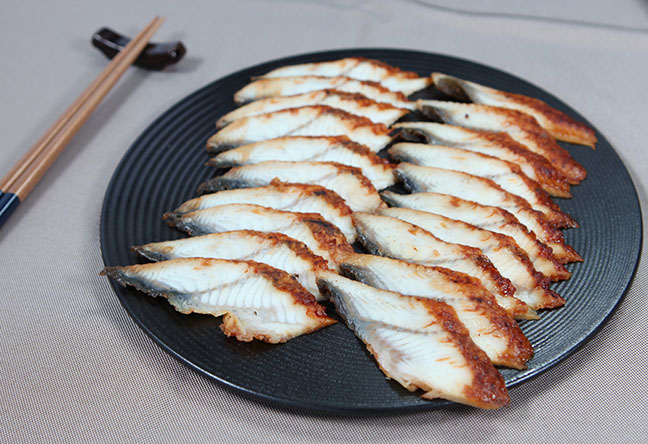
Thicker portions deliver a fuller, richer bite and pair especially well with steamed rice or a simple garnish. Narrow strips and smaller pieces are easier to use in noodles, sushi rolls, salads, and rice bowls. Skin-on portions can provide a pleasant chew and visual contrast, while skinless cuts may appeal to diners looking for a cleaner texture.
The cooking method also changes the eating experience. Grilling or broiling develops surface browning and caramelization. Steaming keeps the flesh tender and moist. Pan-searing creates a firmer exterior, while simmering produces a softer texture suited to soups and noodle dishes.
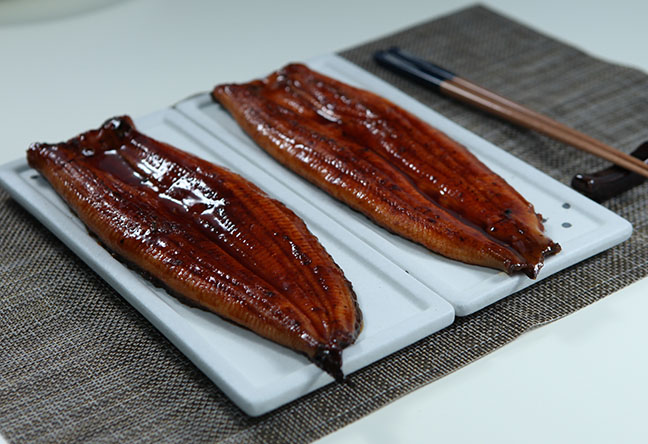
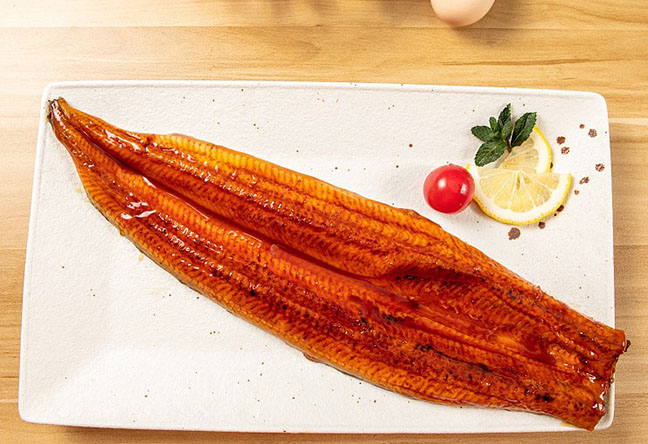
Japanese kabayaki is one of the best-known eel preparations. The eel is usually grilled or broiled, brushed with a sweet-savory sauce, and served over rice. Unagi tare commonly includes soy sauce, mirin, sugar, and sometimes sake, though formulas vary by producer and market. The finished flavor is glossy, salty-sweet, and deeply savory.
For buyers comparing products, sauce intensity is important. A heavily seasoned portion may be ready for a simple rice bowl, while a lightly sauced or plain portion gives chefs more freedom in fusion menus. Our eel sauce can help foodservice teams maintain a consistent flavor across rice bowls, sushi counters, and grilled seafood plates.
There is no single way to serve eel. The following flavor directions offer chefs a practical starting point for menu planning.
This is the classic unagi profile: tender eel, glossy brown sauce, toasted or steamed rice, and optional sansho pepper or sliced scallion. It works well in donburi, sushi, bento, hand rolls, and rice toppings. Pickled ginger adds acidity and helps offset the richness.
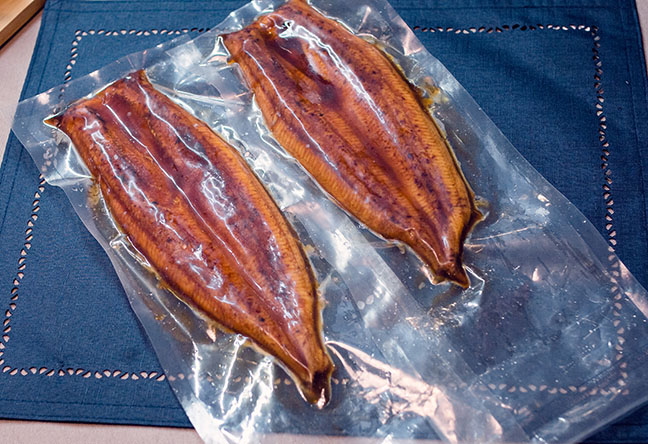
For operators seeking consistent portions, frozen unagi kabayaki provides a practical foundation for these formats. Pre-cooked, sauced portions can shorten preparation time and simplify portion control during busy service.
Grilling adds a roasted note that stands up well to more assertive accompaniments. Try charred eel with grilled vegetables, roasted potatoes, corn, or a warm grain salad. A little lemon juice, yuzu, vinegar, or pickled vegetables can cut through the fish’s richness.
This direction suits restaurants that want to position eel as a premium grilled seafood item, not just a sushi ingredient. A thicker portion can be plated with vegetables and a reduced sauce, while smaller pieces work well on skewers or shared plates.
Acidity can quickly shift the balance of an eel dish. Citrus, rice vinegar, tamarind, green mango, tomato, and pickled onions make the fish feel lighter. Fresh herbs such as cilantro, mint, shiso, basil, and dill bring a distinct aromatic lift.
This style works well in salads, tacos, lettuce cups, open sandwiches, and cold noodle dishes. Portions are usually smaller than in a classic rice bowl, particularly when the menu includes creamy or oily dressings.
Eel’s mild flavor and rich texture hold up well to chili, ginger, garlic, black pepper, gochujang, sambal, and harissa. Sauces should be tested carefully. Too much sugar or heat can mask the fish, while too little seasoning can leave the dish tasting flat.
Possible applications include Korean-style rice bowls, spicy eel sushi rolls, chili-glazed skewers, and bao fillings. For a Latin American direction, consider citrus, chili, avocado, and fresh herbs. On Southeast Asian menus, tamarind, lemongrass, fish sauce, and herbs can create a bolder sweet-sour profile.
The best unagi dish formats depend on service speed, equipment, portion control, and the role eel plays on the menu. Buyers should evaluate the cut and pack format alongside the flavor profile.
Rice bowls offer a direct way to highlight eel’s texture and sauce. A standard format may include sliced eel over steamed rice with tare, scallion, sesame, and pickles. It also adapts well to takeaway and delivery, although packaging should prevent the sauce from soaking into the rice too quickly.
Sushi applications generally use smaller pieces or strips. Eel pairs well with cucumber, avocado, tamago, pickled daikon, and cream cheese, depending on the restaurant’s style. A roll can feature eel as the main filling, while nigiri uses a controlled slice with a restrained amount of sauce.
Eel can bring richness to ramen-style bowls, udon, soba, and rice noodles. It should be added in a way that preserves its shape instead of allowing it to break apart in the broth. See our eel recipes for noodle soup for a format reference when assessing this type of menu application.
Small portions suit tapas, izakaya-style service, tasting menus, and hotel banquets. Consider eel skewers, grilled slices with pickles, crostini, or warm potato salad. A smaller serving allows the operator to use bold garnishes without making the dish feel too heavy.
When developing eel menu ideas, begin with familiar formats, then adapt the flavor system. The aim is not to force eel into every cuisine, but to use it where its texture and richness genuinely fit.
Keep one element familiar, then change one or two supporting components at a time. For example, retain the sweet-savory kabayaki coating but add kimchi and sesame for a Korean-inspired bowl. Or use plain or lightly seasoned eel with lime, cilantro, and chili in a taco application.
Balance matters. Rich eel benefits from acid, fresh herbs, bitterness, or heat. Sweet sauces need salt and acidity. Creamy components such as mayonnaise or avocado can work well, but they should be matched with something crisp or pickled.
For importers and commercial kitchens, product selection should follow the intended menu format. Review these points before ordering:
Foodservice eel products should be evaluated in the finished dish, not only in the carton. Test the portion with the restaurant’s rice, noodles, garnish, and service temperature. A sauce that tastes balanced on its own may become too sweet when paired with seasoned rice or a creamy topping.
Eelpro Co., LTD supplies frozen unagi kabayaki, eel sauce, frozen seafood, and freshwater eels for overseas foodservice and distribution. Our kabayaki sauce article explains how sauce selection affects the final grilled eel profile. Buyers can use this information when comparing products for retail packs, restaurant portions, and menu development.
An eel dish usually tastes mild, rich, and savory, with a soft texture. In kabayaki preparations, soy-based tare adds sweetness, salt, and caramelized notes. Grilling creates a roasted flavor, while citrus, herbs, chili, or pickles can make the dish taste lighter and brighter.
Rice bowls, sushi rolls, noodles, skewers, salads, tacos, small plates, and canapé portions can all suit global menus. The best format depends on portion size, equipment, service speed, and the flavor style of the restaurant. Pre-cooked frozen portions are often practical for bowls, rolls, and quick-service applications.
Pair eel with ingredients that balance its richness: lime, vinegar, pickled vegetables, fresh herbs, chili, mustard, ginger, or bitter greens. Keep the sauce and garnish in balance. For example, kabayaki eel can work with cucumber and sesame in a rice bowl, or with cabbage, avocado, and lime in a taco-style format.
Frozen eel products can suit commercial kitchens when the cut, cooking status, pack size, storage conditions, and reheating requirements match the menu. Foodservice buyers should confirm specifications with the supplier and test thawed portions in the exact dish before placing a larger order.
A successful eel dish starts with a clear flavor target and a product format that supports service. Sweet kabayaki fits naturally in rice bowls and sushi, while lighter or plain portions give chefs more freedom with international sauces and garnishes. Eelpro Co., LTD can support your menu planning with frozen unagi kabayaki, eel sauce, frozen seafood, and freshwater eels. Contact us to discuss product specifications and overseas foodservice supply.



 WhatsApp
 sales@chinaeels.com
 +8619937922411