





Is eel good for you if you follow a low-carb, portion-conscious, or allergy-aware diet? Often, it can be. The right choice depends on how the eel is prepared, how much is served, the sauce used, and your individual dietary restrictions.
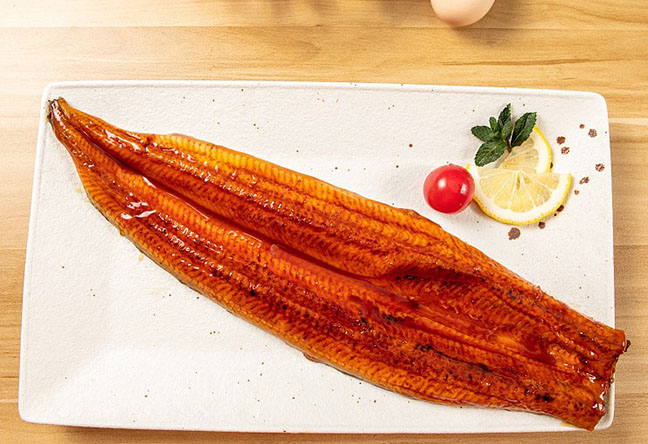
Eel has a different nutritional profile from lean white fish. Plain cooked eel provides protein along with a higher fat content, while unagi kabayaki is typically finished with a sweet soy-based glaze. That glaze can significantly affect the carbohydrate and sodium content of the final dish. For overseas buyers planning retail ranges, menus, or foodservice portions, those details matter just as much as the eel itself.
The better question is not simply “Is eel good for you?” but “Which type of eel works for this diet and this meal?” Plain freshwater eel, frozen unagi kabayaki, and eel served with extra sauce are not nutritionally identical.
USDA FoodData Central entries for cooked eel show approximately 23.7 grams of protein and 14.8 grams of fat per 100 grams. Values can vary by species, cooking method, and database entry. These figures are helpful for menu planning, but they should not replace the nutrition panel for a specific packaged product.
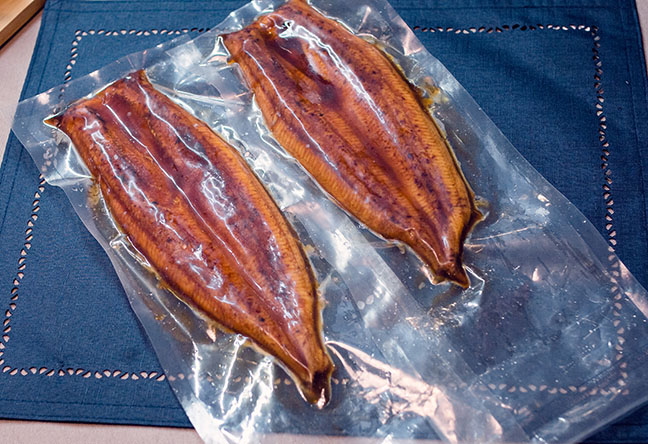
When sourcing prepared eel, check the product specification for serving size, ingredients, allergens, sodium, added sugars, storage requirements, and cooking instructions. Our unagi kabayaki product is designed for practical retail and foodservice use, where consistent portions and reliable preparation are important.
Can you eat eel on a low-carb diet? Yes. Plain eel can fit a low-carbohydrate eating pattern because fish naturally contains little or no carbohydrate. The main consideration is usually not the eel itself, but the glaze and side dishes served with it.
A traditional unagi bowl with rice and a generous coating of sauce is not a low-carb meal, even if the eel itself can be. A smaller portion of kabayaki served with vegetables may be a more suitable option. Buyers creating menus for keto or reduced-carbohydrate customers should calculate the complete plate, not just the fish portion.
It is also worth clarifying what “low-carb” means for the customer. Someone reducing carbohydrates may be comfortable with a small amount of sauce, while a person following a strict ketogenic plan may need to measure every ingredient. Clear product labels and controlled recipes make those decisions easier.
So, is eel good for you as part of a balanced eating pattern? It can be. Portion size, cooking method, and the rest of the plate all make a difference.
Because eel is relatively rich in fat, a smaller serving may suit people who are managing total calorie intake. That does not make eel unsuitable; it simply means the portion should work with the rest of the meal. Eel served with vegetables and a modest grain portion has a very different energy profile from a large eel bowl with extra rice and sauce.
Preparation matters, too. Grilling, steaming, or reheating a prepared product creates a different dish from deep-frying eel or adding several sweet and salty condiments. For menus seeking a lighter profile, vegetables and measured sauce portions often have a greater impact than changing the fish.
Our article on kabayaki sauce explains how the glaze creates its distinctive flavor. For foodservice teams, measured application also helps keep flavor and nutrition more consistent from one serving to the next.
Eel allergies require careful attention. Eel is a fish, so someone with a fish allergy may react to it. The US Food and Drug Administration lists fish among the major food allergens. Being allergic to one fish does not automatically mean a person is allergic to every fish species, but that assessment should be made by a qualified medical professional—not assumed from a menu.
Is eel suitable for people with seafood allergies? It depends on the specific allergy. “Seafood allergy” may refer to fish, shellfish, or both. Eel is finfish rather than shellfish, but customers with shellfish allergies should still ask about the complete recipe and kitchen handling procedures.
For packaged eel and restaurant operations, review the following points:
Cross-contact can happen during processing, storage, cooking, or service. A “no shellfish” statement does not mean “allergy-free” unless the producer and facility can support that claim. People with diagnosed allergies should follow their clinician’s advice and read the product label every time.
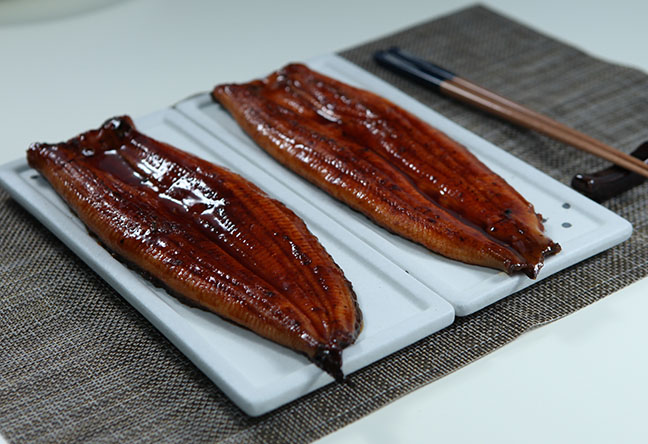
Eel meal planning is easier when each dish is built around the customer’s actual dietary goal. These examples are starting points, not medical prescriptions.
| Dietary need | Practical eel approach | What to check |
|---|---|---|
| Lower carbohydrate | Eel with leafy vegetables and a controlled amount of sauce | Added sugar, rice, noodles, and total carbohydrates |
| Portion-conscious eating | Measured eel serving with vegetables and a modest grain portion | Total calories, fat, sauce, and cooking oil |
| Pescatarian diet | Eel can be used as a fish-based protein if the person eats finfish | Personal rules and sauce ingredients |
| Fish-free diet | Eel is not suitable | Use a clearly identified alternative ingredient |
| Food allergy management | Only serve when the allergen and cross-contact risks are understood | Fish, soy, wheat, shellfish, and facility controls |
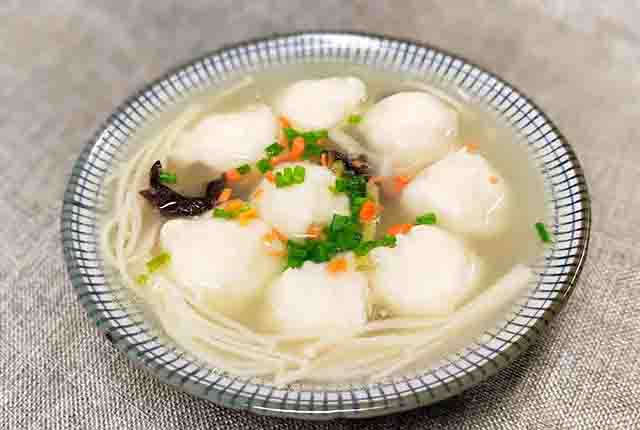
For a warm dish, eel noodle soup can be adapted with vegetables and a measured noodle portion. See our eel recipes for a practical preparation idea. For retail and foodservice buyers, frozen products can also support portion control, allowing kitchens to thaw and use the quantity needed instead of opening a large fresh batch.
Some customers have restrictions that go beyond carbohydrates or allergies. Eel is not vegetarian or vegan. It may suit a pescatarian menu, although customers define that term differently. Anyone avoiding all animal products will not consider eel appropriate.
Religious dietary requirements also call for product-level review. The eel itself may be acceptable under a customer’s rules, while the sauce, alcohol-derived ingredients, processing aids, or facility controls may need further verification. Request an ingredient declaration and relevant certificates from the supplier rather than making assumptions.
Pregnant customers, children, and people managing a medical condition should follow advice from a licensed healthcare professional and local food-safety guidance. Fish choices may depend on species, region, serving frequency, and mercury recommendations. Product traceability helps buyers address these questions responsibly.
Is eel good for you on a special diet? In many cases, yes—with the right product and portion. Plain eel can work in low-carb meals, while kabayaki requires closer attention because its glaze may add sugar and sodium. People with fish allergies should avoid eel unless their healthcare professional has provided specific guidance. Customers with shellfish allergies still need clear information about ingredients and cross-contact.
For balanced menus, pair a measured eel portion with vegetables, control the sauce, and evaluate the complete recipe. Eelpro Co., LTD supplies frozen unagi kabayaki, eel sauce, frozen seafood, and freshwater eels for overseas buyers. Contact us to discuss product specifications, packaging, and meal-planning needs.



 WhatsApp
 sales@chinaeels.com
 +8619937922411