





An eel sushi roll and a dragon roll may both feature sushi rice, nori, and unagi, but they are distinct menu items. For sushi restaurants, foodservice operators, and seafood buyers, those differences influence food cost, prep time, presentation, and what customers expect when they order.
An eel sushi roll typically uses seasoned freshwater eel in a straightforward maki format, either inside the roll or laid across the top. A dragon roll is usually a larger specialty roll with avocado slices, sauces, and several components. Recipes vary from one restaurant to another, so menu descriptions should always identify the main ingredients.
An eel sushi roll is a rice-and-nori roll made with cooked eel, usually unagi finished with sweet-savory tare sauce. On North American menus, it may be listed as an unagi roll, eel roll, or eel maki roll. The basic version is simple: nori, sushi rice, eel, and sauce. Some kitchens include cucumber, avocado, or scallions for added texture.
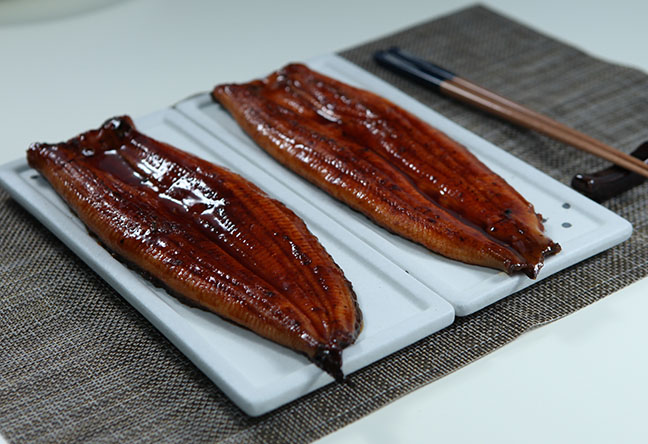
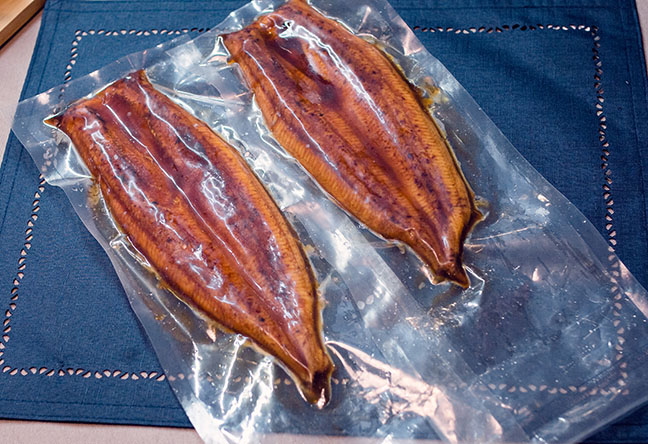
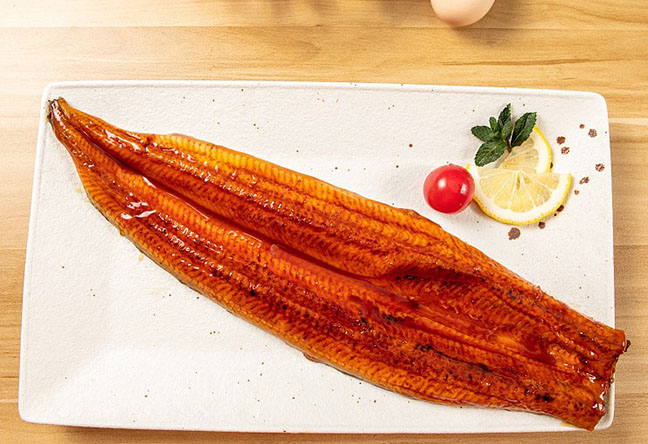
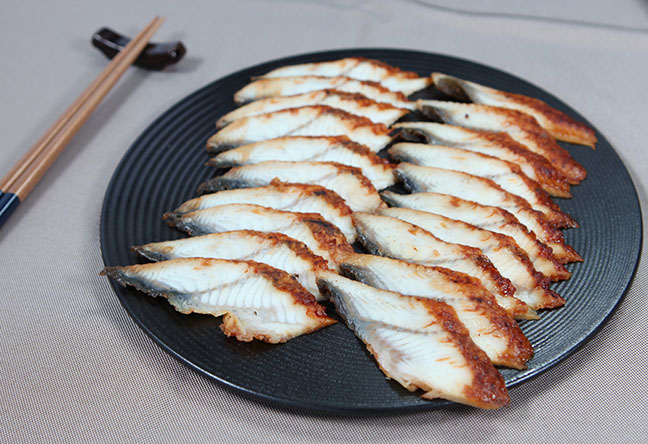
Unagi is freshwater eel cooked before service. In the kabayaki method, the eel is filleted, grilled or broiled, brushed with sauce, and cooked until tender. For sushi operations, this is convenient because the product can be portioned after thawing and reheating according to the supplier’s instructions.
A basic sushi roll with eel may contain:
The finished roll is generally soft, savory, and mildly sweet. Eel brings a rich texture, while cucumber adds freshness and crunch. For a consistent sauce during service, review our eel sauce product for foodservice sourcing information.
A dragon roll is a specialty sushi roll named for its long, decorative appearance. There is no universal recipe. One restaurant may use shrimp tempura inside with avocado on top, while another may combine eel, cucumber, avocado, and a dark sauce. Some versions include spicy mayonnaise, tobiko, or additional seafood.
Its most recognizable feature is usually thin avocado slices arranged over the top of the roll. The overlapping slices can resemble scales. Eel sauce is often drizzled over the finished roll, adding sweetness and visual contrast.
A typical dragon roll may include:
Because the name does not refer to one fixed formula, buyers should request the restaurant’s target specification before comparing costs. “Dragon roll” alone does not tell customers whether the filling contains eel, shrimp, imitation crab, or a combination of ingredients.
The defining ingredient in an eel sushi roll is cooked eel. It has a rich, savory flavor with a sweet glaze from unagi tare. In a simple roll, the eel remains the main focus.
A dragon roll usually includes more components. Avocado adds a buttery texture, shrimp tempura brings a crisp coating and mild seafood flavor, and spicy mayonnaise contributes heat and richness. If eel is used inside or on top, the dragon roll can taste sweeter and heavier than a basic unagi sushi item because of the extra sauces and toppings.
An eel sushi roll can be served as six or eight neatly cut pieces, with eel visible inside the roll or on top. It is a direct presentation that is easy to repeat during a busy service.
A dragon roll typically needs more finishing work. Staff may fan avocado slices across the roll, add sauce lines, and arrange garnishes in a consistent pattern. The result is more decorative, but it also adds assembly steps. Avocado quality matters here: fruit that is too firm is difficult to slice thinly, while overly ripe avocado can tear or collapse during plating.
A standard eel roll often follows a simple portion structure: one measured strip of eel per roll, with optional cucumber or avocado. A dragon roll may include eel, shrimp tempura, avocado, and multiple sauces in a single order. That creates a larger visual profile and can justify a higher menu price, though the ingredient count is also higher.
For purchasing and cost control, define portions by weight or piece count. A kitchen specification might list the grams of cooked eel per roll, the number of avocado slices, the sauce quantity, and the finished piece count. Clear standards help different employees produce the same menu item consistently.
An eel sushi roll is generally faster to assemble when kabayaki is already cooked, portioned, and warm. A dragon roll may require tempura production, avocado slicing, sauce application, and extra garnish work. At lunch or during delivery peaks, those additional steps can affect ticket times.
Frozen unagi kabayaki can provide restaurants with a practical base for rolls, rice bowls, and nigiri. Store, thaw, reheat, and portion the product according to the supplier’s handling guidance.
Choosing between an eel sushi roll and a dragon roll depends on your customers, kitchen setup, and price structure. You do not need to choose only one. On the same menu, each format can serve a different purpose.
A simple unagi roll works well for customers who already enjoy eel. The name clearly identifies the main protein, and the recipe can remain relatively short. It also fits lunch sets, takeaway combinations, and menus centered on traditional Japanese ingredients.
This format is often easier to standardize. A kitchen can prepare cooked eel in measured portions and use the same sauce for rolls, nigiri, and donburi. If your team is building a broader eel menu, our guide to kabayaki sauce explains how the glaze supports different food applications.
A dragon roll suits menus that emphasize specialty sushi, visual appeal, and premium combinations. The avocado topping gives the roll a recognizable look in menu photography and on delivery platforms. It can also feel more approachable to customers who may not order a plain eel roll.
The trade-off is a longer build and more ingredients to manage. Before adding the item, confirm avocado supply, tempura capacity, sauce bottles, garnish prep, and the training needed for consistent plating.
If both items appear on your menu, avoid vague descriptions. For example:
This wording helps customers compare the products before ordering. It also allows your purchasing team to connect every menu item to a defined bill of materials.
For buyers, sourcing questions go beyond price. Ask about eel species or product description, cooked yield, fillet size, sauce coverage, packaging, frozen storage, case configuration, and delivery conditions. Confirm whether the product is intended for foodservice use and whether the supplier provides preparation instructions.
Frozen kabayaki can reduce raw eel handling and give the kitchen a repeatable starting point. Test the product in the exact applications you plan to sell: one simple roll, one specialty roll, nigiri, and a rice bowl. Check texture after reheating, sauce balance, slice appearance, and holding time.
Not every eel product needs to go into a roll. Restaurants can also feature eel in noodle dishes, donburi, and appetizers. Our eel recipes provide another foodservice application for cooked eel products.
An eel sushi roll is defined primarily by cooked eel as the main filling or topping. A dragon roll is a specialty roll format, often finished with avocado slices and extra sauces. A dragon roll may contain eel, but it can also use shrimp tempura, crab-style seafood, or other fillings. The exact recipe depends on the restaurant.
Neither option is better for every restaurant. Choose an eel sushi roll when you want a clear product name, fewer components, and faster assembly. Choose a dragon roll when you want a more decorative specialty item with room for premium pricing. Many restaurants offer both: the unagi roll for straightforward eel demand and the dragon roll for customers seeking a larger, more visual combination.
The basic ingredients are sushi rice, nori, cooked freshwater eel, and eel sauce. Cucumber, avocado, scallion, sesame seeds, or spicy mayonnaise may be added. The final recipe should specify the eel portion, vegetable quantity, sauce amount, and piece count so the kitchen can produce the same roll every time.
No. “Dragon roll” is a restaurant-style name rather than one fixed traditional recipe. Some versions use eel, while others use shrimp tempura, crab-style seafood, or a mixed filling. List the actual ingredients on your menu.
An eel sushi roll is a direct way to sell cooked unagi with a manageable ingredient list. A dragon roll adds visual appeal and a broader mix of textures, but it usually requires more prep and tighter portion control. For reliable supply, contact Eelpro Co., LTD about frozen unagi kabayaki, eel sauce, freshwater eels, and other frozen seafood products for your menu.



 WhatsApp
 sales@chinaeels.com
 +8619937922411