





Frozen eel thawing affects food safety, texture, portion control, and service speed. In a commercial kitchen, the best approach depends on the product format, pack size, available equipment, and when the eel is needed for cooking or reheating.
Frozen unagi kabayaki is generally cooked before freezing and then reheated for service. Freshwater eel portions may need a different preparation process. Always check the product label and follow your approved HACCP procedures before setting a thawing schedule. The guidance below is intended for foodservice handling and does not replace local food regulations.
The outside of frozen eel warms before the center does. If it sits too long in a warm prep area, the surface can enter the temperature range where bacteria multiply while the middle is still frozen. That creates a food safety concern and can also affect texture and appearance.
For most foodservice operations, the safest routine is to thaw frozen eel under refrigeration at 4°C (40°F) or below. Use a calibrated refrigerator thermometer instead of relying solely on the equipment display. Keep the eel in a covered, food-safe container on a lower shelf, where any liquid cannot drip onto ready-to-eat ingredients.
Commercial kitchens should also record:
These records make the process easier to review during a busy shift. They can also reveal whether the problem is portion size, refrigerator capacity, or an unrealistic production schedule.
Refrigerator thawing is the preferred method for most frozen eel products. Place sealed packages in a tray or pan, label them with the date and time, and store them at 4°C (40°F) or below. If the package has been opened, transfer the eel to a covered food-safe container and keep it separate from other foods.
This method takes more time, but it protects texture better than warm-water thawing. The fish warms gradually, making the flesh less likely to soften or lose moisture. It also gives the kitchen greater control over its production schedule.
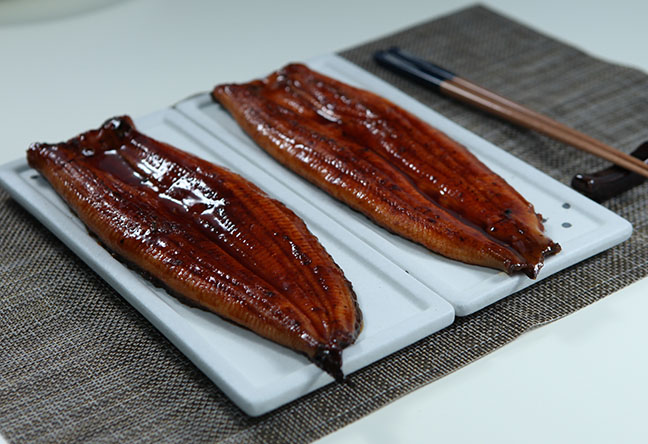
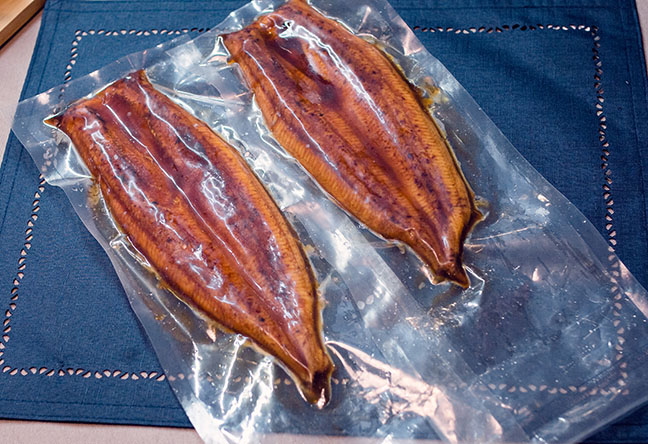
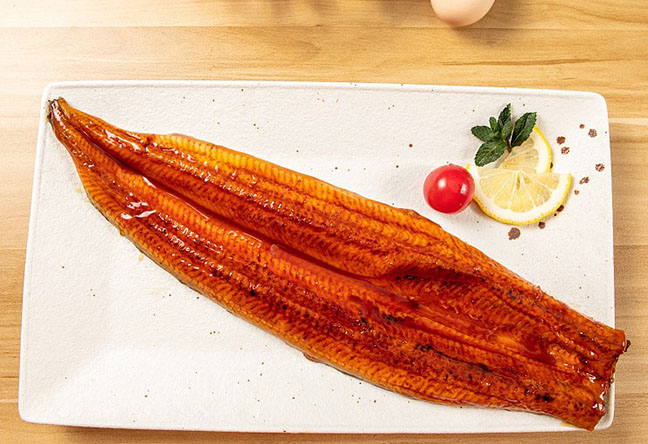
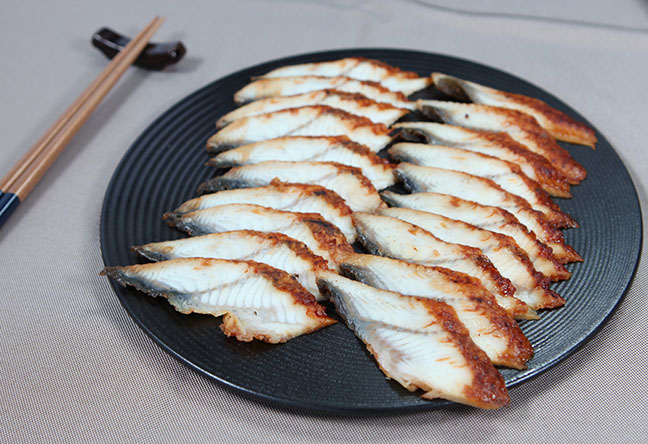
For frozen unagi kabayaki, thaw the portion while it remains sealed whenever the packaging allows. The sauce stays with the product, reducing mess and helping the surface retain its glaze. Once thawed, follow the supplier’s reheating instructions. Kabayaki is commonly served over rice, in sushi rolls, or with noodles, but it should reach the internal temperature required by your local food code and operating procedure.
Cold running water is useful when thawing time needs to be shortened. Keep the frozen eel in leak-proof packaging or place it inside a clean, sealed food bag. Use potable running water at 21°C (70°F) or below, allowing it to flow over the package rather than leaving the eel in a stagnant sink.
Once thawed, cook or reheat the product promptly. Clean and sanitize the sink, drain area, and nearby surfaces afterward. Do not thaw seafood in a sink that will immediately be used to wash vegetables or prepare ready-to-eat food without proper cleaning and sanitizing.
This method works best for a controlled quantity that can move directly into production. It is not suitable for a large volume left unattended. Water temperature, package condition, and elapsed time all need attention.
A microwave can be used when the frozen eel will be cooked or reheated immediately afterward. Use the defrost setting, rotate the product as needed, and stop when the eel is pliable but not hot. Microwaves can create warm spots, particularly in thick portions or stacked packages.
Do not return microwave-thawed eel to refrigeration for later use. Move it straight to the cooking or reheating step. This option is useful for urgent service, not as a replacement for planned refrigerator thawing.
Some frozen eel products can be heated directly from frozen, although this depends on the product design and supplier instructions. A thick portion may brown or glaze on the outside before the center is fully hot. Follow the package directions and verify the finished internal temperature with a clean, sanitized thermometer.
For foodservice, this method can work well for small orders and standardized equipment. Test the process during menu development. Record the equipment setting, portion weight, cooking time, and final temperature so staff can repeat the result consistently.
Safe thawing is only part of good frozen eel preparation. Handling during and after thawing also affects the finished dish.
Our frozen unagi kabayaki is designed for practical foodservice use, where consistent portions and a clean reheating process matter. The right thawing plan will still depend on your pack size and equipment.
There is no single thawing time for every product. A thin, individually packed portion may thaw in several hours under refrigeration, while a tightly packed carton can need a full day or longer. Starting temperature, package thickness, refrigerator airflow, and portion size all affect the result.
| Method | Typical use | Foodservice control point |
|---|---|---|
| Refrigerator at 4°C / 40°F or below | Planned production | Keep covered, dated, and separated from ready-to-eat food |
| Cold running water at 21°C / 70°F or below | Faster same-day preparation | Use sealed packaging and cook or reheat promptly |
| Microwave defrost | Urgent service | Cook or reheat immediately after thawing |
| Direct cooking or reheating | Products approved for this process | Verify center temperature and follow the label |
For planned service, move only the next day’s requirement into the refrigerator. When thawing a large carton, separate portions once they become movable, then continue thawing them in a single layer. This helps the center of the package soften more evenly.
Room-temperature thawing is difficult to control. The outer surface can warm for hours even when the center remains frozen. Use refrigeration or another approved method instead.
Hot water speeds surface thawing, but it can soften the flesh, damage the glaze, and create uneven temperatures. It is also difficult to monitor consistently. Use cold running water when a faster method is necessary.
Open packaging only when the preparation process requires it. A sealed package helps contain sauce and reduces contact with handling surfaces. Once opened, cover the eel and use clean utensils.
Large-batch thawing may appear efficient, but it can lead to waste when demand changes. Portion your daily requirement. For buffet, catering, and high-volume sushi service, compare sales records with the amount moved from frozen storage.
Thawing does not replace cooking or reheating. Check whether the product is fully cooked, partially cooked, or raw. For cooked kabayaki, use the supplier’s heating instructions and your kitchen’s temperature verification procedure. For raw freshwater eel, use a validated cooking process before service.
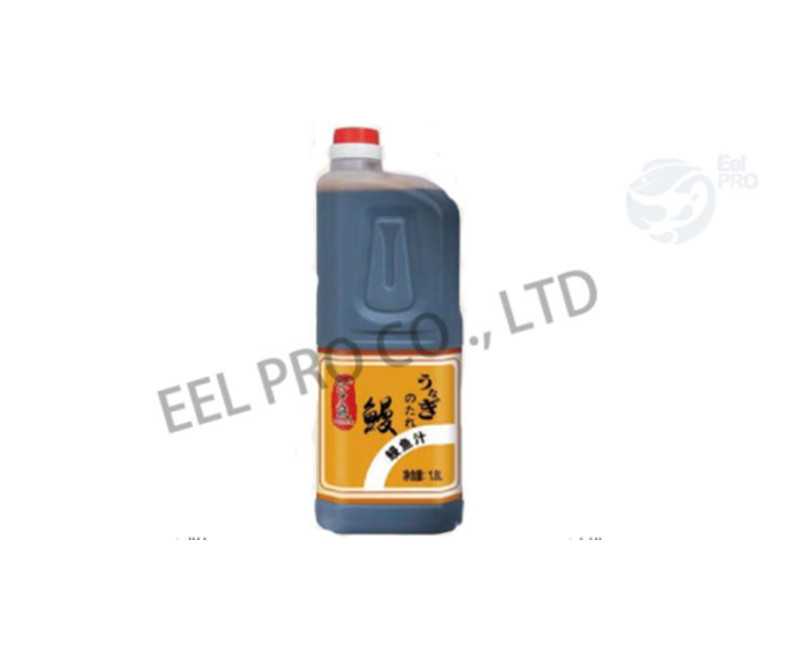
When you need a sauce that matches grilled eel, see our eel sauce product. You can also review our guide to kabayaki sauce for serving and menu applications.
Post a short procedure near the refrigerator and prep sink. A clear checklist helps new staff follow the same process during a busy shift.
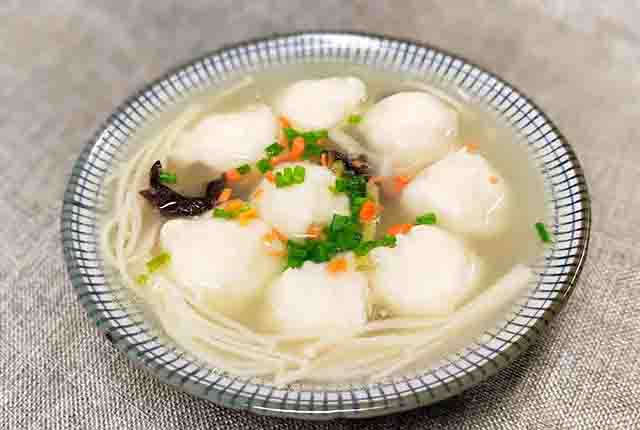
For menu planning, thawing and service should be considered together. An eel rice bowl may need one portion per order, while a catering tray may require dozens at once. Test the full process, from refrigerator transfer through plating, before making it your standard operating procedure. Our eel recipes provide additional ideas for using eel in noodle and hot meal service.
The most dependable frozen eel thawing method for foodservice is controlled refrigerator thawing at 4°C (40°F) or below. Cold running water, microwave thawing, and direct cooking may suit specific situations, but each requires close control and prompt cooking or reheating.
Eelpro Co., LTD supplies frozen unagi kabayaki, eel sauce, frozen seafood, and freshwater eels for overseas foodservice buyers. Contact us to discuss product formats, packaging, and a thawing plan suited to your kitchen.
Thaw frozen eel in a refrigerator at 4°C (40°F) or below, keeping it covered in a tray on a lower shelf. For faster service, use sealed packaging under cold running water at 21°C (70°F) or below, then cook or reheat immediately. Never leave eel thawing on a room-temperature counter.
The time depends on thickness, package size, and refrigerator airflow. Individually packed portions may need several hours, while dense cartons can require 24 hours or longer. Plan a test batch, label the transfer time, and check that the center is fully pliable before production.
Yes. Frozen eel can usually be thawed overnight when it is kept in a refrigerator at 4°C (40°F) or below. Place it in a covered tray, keep it separate from ready-to-eat food, and use it according to the product label and your food safety procedure the next day.
Follow your supplier’s instructions and local food regulations. Refreezing can reduce texture quality, especially after the product has been exposed to moisture or repeated handling. If refrigerator-thawed eel must be held, keep it cold and use it within the approved time stated in your HACCP plan or product specification.

 WhatsApp
 sales@chinaeels.com
 +8619937922411