

How Eel in Sushi Rolls Changes Fillings and Roll Structure
A sushi roll can look perfect, then collapse on the first slice. Often, the problem is not the knife or the rice. It is the eel. Eel in sushi rolls is soft, rich, glazed, and heavier than raw fish, so it changes how every other filling behaves.
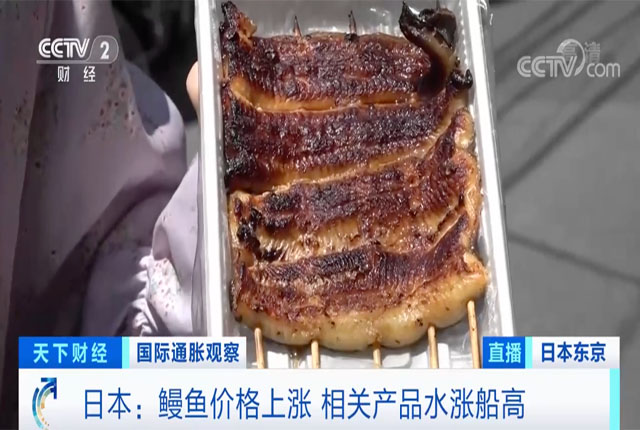
Raw tuna, salmon, and white fish usually bring clean flavor and a firmer bite. Cooked unagi kabayaki brings a different experience: tender flesh, natural fat, roasted aroma, and a sweet-savory surface. That combination can make a roll feel luxurious, but it can also make it too soft, too sweet, or difficult to hold together if the filling plan is wrong.
This matters for home sushi makers, restaurant menu planners, and buyers selecting prepared eel for sushi applications. The best roll is not built by adding more ingredients. It is built by balancing softness, moisture, pressure, and contrast.
Why cooked eel behaves differently from raw-fish fillings
Eel in sushi rolls behaves more like a warm, tender protein than a clean-cut raw-fish strip. Its texture is usually softer after roasting, and the glaze adds surface moisture. That means it needs support from ingredients with snap, freshness, or gentle acidity.
For a simple unagi maki, the safest pairing is cucumber because cucumber adds a firm, watery crunch without competing with the eel’s sauce. Avocado can work too, but it should be used with restraint. Eel and avocado are both soft and rich. If the rice is also packed tightly, the finished roll may feel dense rather than balanced.
Use raw fish when you want a light, clean roll with a clear seafood bite. Use kabayaki when you want roasted aroma, sweetness, and a fuller mouthfeel. Neither choice is automatically better. They suit different menus and different filling structures.
| Filling type | Texture effect in a roll | Best pairing direction | When it may not fit |
|---|---|---|---|
| Raw salmon | Soft, oily, clean | Cucumber, scallion, citrus-style sauces | Can feel too rich with avocado and creamy sauces together |
| Raw tuna | Firmer and cleaner | Avocado, cucumber, light spicy fillings | May seem dry if paired with too much crisp vegetable filling |
| Cooked kabayaki eel | Tender, fatty, glazed | Cucumber, pickled vegetables, restrained avocado | Can make rolls soft or overly sweet when paired with rich sauces |
| Tempura filling | Crisp at first, then softens | Eel in smaller amounts, cucumber, lighter sauce use | Two heavy fillings can make slicing difficult |
The practical conclusion is simple: treat unagi as the main flavor and texture anchor. Do not bury it under several soft, creamy, or sauce-heavy ingredients. A good unagi sushi roll recipe often succeeds because it uses contrast rather than excess.
How softness, fat content, and glaze affect filling pairings, rice pressure, and roll structure
This is where many rolls go wrong. Eel in sushi rolls is not only a flavor choice. Its softness, fat content, and glaze directly affect what you can place beside it, how firmly you press the rice, and whether the roll stays round after cutting.
| Key eel parameter | What it changes in practice | Best response | What happens if the buyer gets it wrong |
|---|---|---|---|
| Softness | Tender eel compresses easily when rolled and sliced. | Use crisp fillings such as cucumber or lightly pickled vegetables. Apply gentle, even pressure. | Overfilled rolls flatten, the eel smears into the rice, and slices lose a neat center. |
| Fat content | Richer eel gives a fuller, smoother mouthfeel and can coat the palate. | Pair with fresh, sharp, or crisp ingredients. Keep mayonnaise-based fillings limited. | The roll becomes heavy, repetitive, and less refreshing after a few bites. |
| Glaze level | Glaze adds sweetness, shine, and surface moisture. | Use a controlled amount of sauce and keep the nori side dry enough to seal. | Rice becomes sticky, nori softens quickly, and the roll may slide apart. |
| Cut format | Wide or uneven pieces create pressure points inside the roll. | Choose consistent strips or sushi slices for repeatable assembly. | The center bulges, the roll twists, and portions look inconsistent. |
Softness: Tender eel needs a companion with a clear bite. Cucumber is the classic answer because it stays recognizable after rolling. Pickled radish or lightly pickled cucumber can also work when a menu needs more acidity. Avoid combining very soft eel with cream cheese, avocado, and thick sauce in the same narrow roll unless the roll is intentionally designed as a rich specialty item.
Fat content: Fat is part of what makes roasted eel satisfying. It also means that a filling should bring relief, not more weight. A fresh green vegetable, cucumber, or a modest amount of pickled garnish gives the palate a reset. This approach fits lunch sets, conveyor-belt sushi, and rolls meant to be eaten in several pieces. It may not apply to a premium indulgent roll designed around avocado and sauce, but that style needs a smaller eel portion and careful slicing.
Glaze: The glaze is not merely decoration. It changes friction inside the roll. A glossy surface can help flavor spread through the rice, but too much sauce makes the rice wet and causes the filling layers to shift. For eel in sushi rolls, sauce should support the eel rather than turn the rice into a sweet paste. Eelpro’s roasting process uses four precise soy-sauce coating layers with defined color standards, giving buyers a more consistent starting point for visual presentation and flavor planning.
Rice pressure: Press rice just firmly enough to hold its shape. Tight pressure suits firmer fillings better. With tender kabayaki, excessive pressure squeezes the eel and pushes glaze toward the nori seam. Gentle, even pressure is the better choice for a soft filling. If the roll opens, do not solve the issue by crushing it harder; reduce filling volume or dry excess sauce first.
Choose fillings by the role they play beside eel
The easiest way to plan eel in sushi rolls is to give every filling a job. One ingredient should bring crunch. One may add creaminess. One can bring acidity or heat. Eel remains the rich center.
- For crunch: Cucumber is the most reliable option. It supports tender eel and keeps the bite fresh. This works for everyday rolls and family meals. It is less suitable when you want a fully soft, melt-in-the-mouth style.
- For creaminess: Avocado works well in a controlled amount. It softens the flavor of a salty-sweet glaze. Use less avocado when the eel is especially rich or when the roll also includes a creamy topping.
- For acidity: Pickled vegetables cut through sweetness and fat. They fit eel rolls intended for diners who prefer a brighter finish. Avoid overly wet pickles because extra moisture weakens rice and nori.
- For heat: A small amount of chili-based seasoning can add contrast. This suits fusion menus. It does not suit every traditional-style unagi presentation because strong heat can hide roasted eel aroma.
- For extra protein: Tempura shrimp can create a richer specialty roll, but the roll needs a crisp vegetable element and restrained sauce. Eel plus tempura plus avocado can become too dense if all three are used heavily.
A useful cold fact: the nori often fails because of moisture, not because it was rolled badly. When glazed eel touches rice for too long before serving, sauce can migrate into the rice and weaken the outer sheet. Assemble close to serving time when possible, and avoid laying a visibly wet eel strip directly against the nori seam.
For menu planners, eel in sushi rolls is especially useful when a menu needs a cooked seafood option with a familiar sweet-savory profile. It can appeal to diners who prefer not to order raw fish, while still fitting naturally beside sashimi, nigiri, and maki.
Use the right eel cut before you start rolling
Cut choice affects speed, appearance, and waste. A large irregular piece may be suitable for a rice bowl, but it can make a narrow roll uneven. Buyers should ask whether the product is intended for sushi slices, strip-cutting, chunk-cutting, or another prepared format.
Eelpro can provide custom cutting specifications including shredding, dicing, strip-cutting, chunk-cutting, three-section cuts, and sushi slices. For consistent eel in sushi rolls, strips and sushi slices are usually the most practical choices because they reduce last-minute trimming.
- Choose the roll format first. A thin hosomaki needs a narrow, even strip. A wider uramaki can handle a broader piece and additional fillings.
- Match the eel cut to the filling count. Use a simpler eel cut when the roll has cucumber only. Use a narrower strip when avocado, tempura, or other fillings share the center.
- Check surface glaze before assembly. The eel should look coated, not dripping. Remove excess sauce from the work surface rather than adding more rice.
- Place the eel along the center line. An off-center piece makes pressure uneven and can cause the roll to lean.
- Roll with gentle, repeated shaping. Form the cylinder first, then tighten lightly. Do not force the filling through the rice layer.
- Slice with a clean, damp knife. Wipe the blade between cuts when glaze begins to collect. This protects the round shape of each piece.
This process suits both home preparation and foodservice training because it identifies the source of structural problems before they become plating problems. It does not replace good rice preparation; rice that is overly wet or poorly seasoned can still weaken the roll.
Common mistakes that make eel rolls heavy, wet, or unstable
Many failed eel in sushi rolls are not caused by poor-quality eel. They are caused by ingredient stacking. The goal is contrast and control.
- Mistake: using too many soft fillings. Eel, avocado, cream cheese, and mayonnaise all pull the roll toward the same soft, rich texture. Choose one creamy element, not several.
- Mistake: adding sauce inside and outside the roll. Kabayaki already has glaze. Extra sauce can be useful on top for presentation, but using it inside and outside often makes the roll overly sweet and difficult to cut.
- Mistake: pressing harder when the roll will not close. Hard pressure damages tender eel. Reduce filling width, especially when using avocado or tempura.
- Mistake: choosing uneven eel pieces. Thick ends and thin ends create an inconsistent bite. Use standardized cuts when producing several portions.
- Mistake: ignoring the nori seam. Wet glaze near the seam can prevent a secure seal. Keep the edge clean and dry enough to close.
- Mistake: treating cooked eel like raw tuna. Raw tuna can tolerate a different pressure level and sauce plan. Tender glazed eel needs more attention to moisture and filling balance.
A simple rule helps: if the roll already contains a rich filling, add a crisp one. If it already contains sweet glaze, add freshness rather than another sweet sauce. This gives eel in sushi rolls a clear identity rather than a crowded flavor profile.
Build a practical eel roll for home menus and foodservice planning
For a reliable starting point, build an unagi cucumber roll before attempting a heavily topped specialty roll. It teaches the important lessons: how tender eel responds to pressure, how glaze affects rice, and how crisp fillings support structure.
Start with seasoned sushi rice spread evenly over nori. Add a modest line of cucumber and a consistent strip of kabayaki eel. Roll gently, shape evenly, and slice cleanly. If the roll tastes too rich, add a small pickled garnish on the side rather than adding more sauce inside.
For a richer variation, add avocado but reduce the eel strip slightly so the center does not become too wide. For a specialty roll with tempura, use cucumber or pickled vegetable to keep the bite from becoming heavy. These adjustments are small, but they make a noticeable difference.
When sourcing prepared eel for a menu, ask for product information that helps the kitchen make repeatable rolls: cut format, glaze level, packaging, and intended use. Eelpro supplies frozen roasted eel and offers unagi kabayaki products for buyers seeking cooked eel options. Its ISO 22000:2018, HACCP, and HALAL certifications support buyers who need documented food safety controls for export-oriented supply decisions.
The company operates two modern production lines with an annual finished-goods capacity of 4,000 tons, supported by a 1,000-ton cold storage facility. Around 20 customs-registered eel farming bases covering 2,150 mu support traceability from farm registration through processing verification and shipment tracking. For buyers planning sushi menus across multiple outlets, this matters because consistent incoming product makes portion control easier.
Glaze choice also shapes the final roll. A balanced tare should reinforce roasted eel rather than dominate cucumber, rice, and nori. Review the eel sauce product page when comparing sauce options, or use this guide to kabayaki sauce character when planning a sweeter or more restrained finish.
Buyer checklist for choosing eel intended for rolls
- Select the cut format: Choose sushi slices or consistent strips when portion appearance matters. Choose diced or shredded formats for mixed fillings or topping applications.
- Assess glaze use: Decide whether the kitchen needs a visibly glazed product or a lighter-sauce presentation. This choice affects rice moisture and final sweetness.
- Plan one crisp counterpart: Cucumber or another controlled crisp filling should be ready before the roll design is finalized.
- Limit rich additions: If avocado, cream cheese, tempura, or mayonnaise is included, reduce at least one other rich component.
- Test the slice: Make one full roll before a large service. Check whether the center stays round and whether the nori seam holds.
- Confirm traceability and quality documentation: This is especially relevant for importers and foodservice distributors. Eelpro applies export quality standards to domestic sales and uses an in-house laboratory plus metal detectors at critical control points.
Well-planned eel in sushi rolls should feel tender but not mushy, rich but not tiring, and glossy without becoming wet. The best combinations let the roasted eel remain recognizable in every bite.
Request a product specification or sample consultation to match your preferred eel cut and glaze style to your sushi roll menu.