





Kabayaki Eel Gets Its Signature Glaze From a Four-Layer Grilling Process
What actually separates kabayaki eel from a fillet that's just brushed with soy sauce and tossed on a grill? A lot of home cooks assume it's the sauce alone. It isn't. The real difference sits in how the fish is butterflied, how many times it's coated, and how tightly the grill temperature is controlled between each pass. Get any of those steps wrong and you end up with dry meat, a burnt glaze, or sauce that slides right off instead of clinging to the skin.
This matters more than it sounds, especially for buyers sourcing frozen product for restaurants or retail. A poorly roasted batch of kabayaki eel shows up immediately on the grill — uneven color, cracked skin, patchy glaze. Understanding the process gives you a real way to judge quality before you place an order.
What Actually Makes Kabayaki Eel Different From Other Eel Preparations
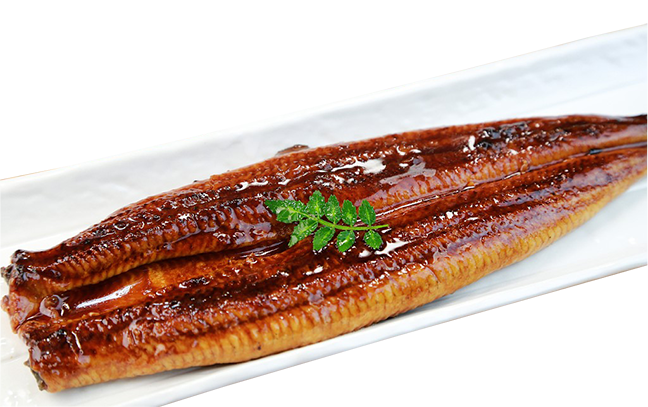
Kabayaki refers specifically to a butterflied, boned eel fillet that's skewered, grilled, and repeatedly coated with a sweet soy-based sauce (tare) until it develops a deep mahogany color and a slightly sticky, caramelized surface. It's not the same as shirayaki (white-roasted, unsauced eel) or simple pan-fried eel.
Three things define genuine kabayaki eel:
- Butterflied, deboned form — the fillet lies flat, skin-side down, with no visible spine.
- Layered glaze, not a single brush-on — the color builds gradually across multiple grilling passes.
- Balanced fat rendering — excess fat is cooked off before the sauce ever touches the fillet, otherwise the glaze won't stick evenly.
That last point is where a lot of processors cut corners. If the fat isn't rendered properly, the sauce beads instead of coating, and the finished eel tastes greasy rather than rich. This is part of why kabayaki sauce quality and the roasting method have to be developed together, not treated as separate steps.
The Four-Layer Glazing Process, Step by Step
Export-grade kabayaki eel production follows a repeatable sequence. Here's what each stage actually does, and what happens if a step is skipped or rushed:
- Initial dry grill (no sauce). The fillet is grilled skin-side down first to firm the flesh and render surface fat. Skip this, and the sauce will slide off during later coats because the surface is still wet and oily.
- First soy-sauce coat. A thin layer of tare is brushed on, then grilled briefly at controlled heat. This pass sets the base color — too hot here and the sugar in the sauce scorches before the fish is even cooked through.
- Second and third coats. Each layer is thinner than the last, applied only after the previous coat has slightly dried and tacked onto the surface. This is where the "1st-through-4th soy-sauce coating color" standard comes in — each pass should visibly darken the fillet in a controlled gradient, not jump straight to dark brown.
- Final coat and finish grill. The last layer is applied at a lower flame to lock in gloss without burning the sugars. This is the step that produces the glossy, slightly sticky surface buyers expect from kabayaki eel.
Rushing steps 2 through 4 into one or two heavy coats is the single most common shortcut in lower-grade production. It saves time but produces a glaze that looks dark on the outside while tasting flat, because the sauce never had time to penetrate the surface fibers.
Kanto Steam-Then-Grill vs Kansai Direct-Grill: Which Method Changes What
Two regional methods dominate how kabayaki eel is prepared, and they don't just affect flavor — they change texture, cook time, and how well the sauce adheres to the finished fillet.
| Factor | Kanto Method (Steam-Then-Grill) | Kansai Method (Direct-Grill) |
|---|---|---|
| Preparation cut | Backbone cut, skin scored | Belly cut, no steaming |
| Process order | Grilled briefly, steamed, then glazed and grilled again | Grilled directly from raw through all four sauce layers |
| Texture result | Softer, almost custard-like interior | Firmer bite, crisper skin edge |
| Sauce adhesion | Sauce sits lightly; steaming opens the flesh so glaze soaks in rather than coating the surface | Sauce builds up as a visible surface layer, giving a glossier, thicker glaze |
| Best fit | Donburi bowls, delicate presentations | Skewers, grilled dishes where a bold glaze matters |
Neither method is "better" across the board — it depends on the dish. A restaurant plating unadon (eel rice bowl) usually wants the Kanto texture because the rice absorbs the lighter sauce evenly. A yakitori-style skewer program usually wants the Kansai finish because the thicker glaze holds up better under a broiler or reheating step in a commercial kitchen. Buyers building a foodservice menu should ask suppliers which method their frozen roasted eel line follows — it directly affects how the product performs after reheating, not just how it looks frozen.
Common Mistakes Buyers and Cooks Make With Kabayaki Eel
- Overheating on the final reheat. Kabayaki eel is already fully cooked when frozen. Reheating at too high a temperature scorches the sugar in the glaze — a low oven at around 180°C (356°F) for a few minutes, or a quick pass under a broiler, is usually enough.
- Assuming darker color always means better quality. Some processors over-glaze to mask thin or lower-grade fillets. The "1st-through-4th coating color" gradient should still be visible when you look closely at the fillet edge.
- Ignoring bone content in bulk orders. Boneless, deboned kabayaki eel reduces back-of-house labor significantly, but not every supplier debones to the same standard. Ask for spec sheets before ordering in volume.
- Storing thawed product too long before use. Once thawed, the glaze surface degrades faster than the flesh. Cold-chain handling from a facility with proper cold storage matters more than most buyers realize.
How to Choose Frozen Kabayaki Eel for Foodservice or Retail
If you're sourcing kabayaki eel for a restaurant chain, importer, or retail line, run through this checklist before confirming an order:
- Does the supplier document their roasting method (Kanto-style, Kansai-style, or a hybrid) and can they match it to your menu application?
- Is the eel sourced from traceable, certified farming bases? Full-chain traceability, from certified eel farming bases through to shipment, reduces compliance risk for import inspections.
- Does the facility test for veterinary drug residues and microbiological indicators against the destination market's standards (Japan, US, or EU requirements differ)?
- Is cutting available in the format your kitchen needs — whole fillet, sushi slices, dicing, or 3-section cut — without extra prep on your end?
- What's the actual lead time from order confirmation to shipment? A regular order typically runs around 30 days, though this shifts with spec and volume.
A quality check worth doing on arrival: look at the fillet surface under good light. Genuine kabayaki eel shows a slight sheen with visible grain, not a flat, uniform brown that suggests the glaze was sprayed on rather than built up through repeated grilling passes. This single visual cue tells you more about roasting quality than the ingredient label ever will.
Why the Sauce and the Grill Process Can't Be Separated
A common misconception is that any decent tare will produce good kabayaki eel if the sauce recipe is right. In practice, the sauce and the grilling method are locked together. A thick, high-viscosity eel sauce works well with the Kansai direct-grill method because it needs the extra heat exposure to caramelize properly across four passes. Use the same thick sauce on a Kanto-style, pre-steamed fillet, and it tends to pool rather than absorb, because the flesh is already softened and can't take on more liquid glaze without turning soggy.
This is also where the unagi kabayaki production line matters for consistency. A facility running the roasting process on dedicated lines, with temperature-controlled steps for each of the four coating layers, produces a far more repeatable glaze color than smaller operations doing it by hand-timing. For buyers, that consistency is what keeps plate presentation the same from the first case to the thousandth.
Quality control on the food safety side runs in parallel to the roasting process, not after it. Products moving through an in-house laboratory for residue and microbiological testing, alongside metal detection at critical control points, give buyers a documented paper trail — something Japanese, US, and EU import inspectors will ask for regardless of how good the glaze looks.
The Maillard reaction — the chemical browning that happens when the soy sauce sugars meet high heat — is what actually produces that signature dark color and aroma in the final coat. Understanding this is useful for anyone testing a new supplier's product: if the glaze color looks dark but the aroma is flat rather than smoky-sweet, the final grilling pass likely wasn't hot enough to trigger proper browning, even if the sauce recipe itself was correct.
For cooks working with frozen product at home, the same logic from the cleaning, skinning, and deboning stage applies before any grilling starts — a fillet that isn't properly deboned won't lie flat enough for even glaze coverage, no matter how good the sauce recipe is.
Have questions about which roasting method fits your menu, or want to check spec sheets for a specific cut? Reach out for a sample or a product spec sheet before placing your first order — it's the fastest way to confirm the glaze, texture, and cutting format match what your kitchen actually needs.
 WhatsApp
 sales@chinaeels.com
 +8619937922411