


How to Build a Profitable Menu with Frozen Unagi Kabayaki
For foodservice operators, adding a premium item like unagi kabayaki presents a dilemma. Customers love the rich, savory flavor, but sourcing it consistently and preparing it efficiently can strain kitchen resources. The key challenge is maintaining quality and profitability without adding complex back-of-house procedures. This is where high-quality frozen unagi kabayaki becomes a strategic asset, offering portion control, stable costs, and simplified preparation.
As a quality assurance specialist with over a decade in seafood exports, I've seen firsthand how the right product specifications can transform a restaurant's operations. A reliable supply of ready-to-serve unagi eliminates variables in skill, time, and raw material quality, allowing chefs to focus on presentation and service. Our clients in Japan, the US, and across the EU successfully integrate our unagi kabayaki into their menus because it is engineered for foodservice efficiency from the start.
Matching Unagi Kabayaki Portions to Your Menu Concept
Effective unagi menu planning starts with selecting the right format. A one-size-fits-all approach leads to waste and inconsistent plating. The cut and portion size should directly align with the dish's price point, preparation method, and role on the menu—whether it's a signature entrée, an appetizer, or a component in a larger dish.
Consider these common formats and their ideal applications:
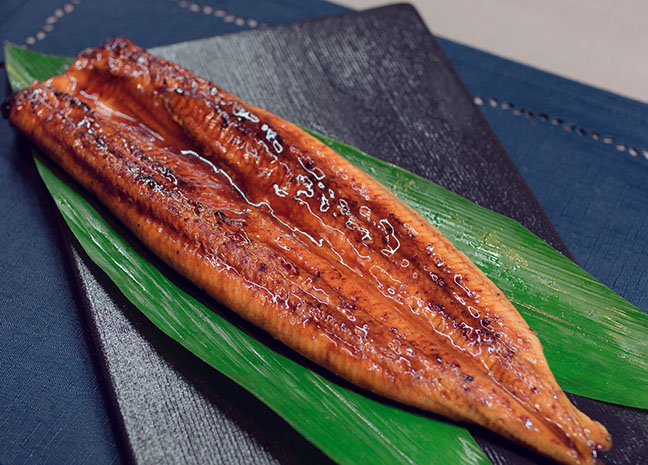
- Full Fillets (Kabayaki): This is the classic format, ideal for signature Unaju or Unadon (eel over rice) bowls. A full fillet provides a high-impact presentation that justifies a premium price. It requires minimal handling; simply heat and serve. This format is popular with our Japanese restaurant chain partners who value authenticity and presentation.
- Cut Portions (Chunks/Strips): For operators looking for versatility, pre-cut unagi kabayaki portions are an excellent choice. They are perfect for bento boxes, combination platters, or creative appetizers. Standardized cuts ensure consistent portioning, which is vital for cost control in high-volume catering and foodservice channels.
- Sushi Slices (Neta): Precisely sliced and portioned for nigiri sushi, these ready-to-serve unagi slices drastically reduce prep time for sushi bars. This eliminates the need for skilled chefs to slice delicate grilled eel, reducing labor costs and ensuring every piece is uniform.
- Diced or Shredded Eel: These smaller cuts are perfect for incorporating into fried rice, noodle dishes like eel noodle soup, omelets (umaki), or as a topping for salads. They allow you to add the premium flavor of unagi to more dishes at a lower cost-per-serving.
Choosing the correct format directly impacts your bottom line. Full fillets offer high perceived value, while smaller cuts increase versatility and help manage food costs across a wider range of menu items.
How Processing Specifications Reduce Your Back-of-House Costs
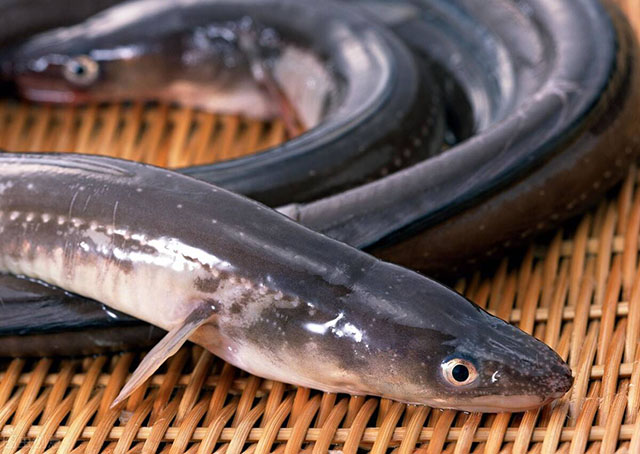
Not all frozen kabayaki eel is created equal. The difference between a product that complicates your kitchen workflow and one that simplifies it lies in the processing specifications. A supplier that controls the entire chain—from farming to final cut—can offer a product tailored for operational efficiency. This means less labor, less waste, and a more consistent final dish for your customers.
Here is a direct comparison of what to look for and how it affects your kitchen operations.
| Specification | Impact of a Standard, Unspecialized Product | The Eelpro Advantage |
|---|---|---|
| Bone Status | Staff must spend time manually checking for and removing fine pin bones. This is slow, requires skilled labor, and carries a risk of customer complaints if a bone is missed. | Our process includes a dedicated deboning step. The eel is boneless and ready to use, eliminating labor costs and safety risks associated with pin bones. |
| Cut & Portioning | Receiving whole fillets requires your kitchen staff to portion them. This leads to inconsistencies in size, trim waste, and higher labor costs. | We offer custom cutting services: shredding, dicing, strip-cutting, 3-section cuts, and sushi slices. You receive standardized portions, ensuring 100% yield and perfect cost control. |
| Sauce Application | Inconsistent sauce coating can result in a product that is too salty, too sweet, or burns easily during reheating. The flavor profile can vary between batches. | Our patented 4-layer roasting process applies sauce at precise, temperature-controlled intervals. This creates a balanced, deeply caramelized flavor that is consistent in every order. |
| Packaging | Bulk packaging can lead to freezer burn, damage during handling, and difficulty in managing inventory for smaller batches. | We provide multiple packaging formats, including skin-packaging and gift boxes, which protect product integrity and allow for easier inventory management. Ready-to-heat packaging further simplifies preparation. |
A Buyer's Checklist for Sourcing High-Quality Frozen Kabayaki Eel
To protect your business and your customers, sourcing requires careful diligence. As an ISO 22000 and HACCP certified auditor, I advise clients to look beyond just the price per kilogram. A lower upfront cost can quickly be erased by trade risks, quality issues, or product that is difficult to work with. Before placing an order, use this checklist to evaluate a potential supplier.
- Verify Food Safety Management Systems. Does the supplier hold internationally recognized certifications? Ask for copies of their certificates. At a minimum, they should have a system based on HACCP principles. Our facility is certified under ISO 22000:2018, HACCP, and HALAL, demonstrating a commitment to global food safety standards.
- Confirm Full-Chain Traceability. Can the supplier trace the product back to the farm? A fully traceable supply chain is your best defense against issues like veterinary drug residues. We manage this through our ~20 customs-registered eel farming bases, with documented control from farming to final shipment. This is critical for meeting stringent import standards in the EU, Japan, and the US.
- Assess Production Capacity and Cold Chain Logistics. Can the supplier handle your volume, and do they have the infrastructure to maintain product quality? With an annual capacity of 4,000 tons and a 1,000-ton cold storage facility, we ensure a stable supply and an unbroken cold chain from our factory to the port.
- Request Compliance Documentation for Your Market. A reputable exporter should be able to provide testing reports showing compliance with your country's specific limits for microbiological indicators and chemical residues. We regularly supply to demanding markets like Germany, Poland, and Australia, and our products are processed to meet these specific import requirements.
- Evaluate In-House Quality Control. What measures are in place at the factory? Ask about their laboratory capabilities and critical control points. Our team of 25 quality-control specialists, supported by our own professional laboratory and metal detectors on the production line, provides an extra layer of security.
Beyond the Eel: Crafting the Complete Unagi Experience
Even the best frozen unagi kabayaki needs the right supporting cast. A successful unagi dish is an exercise in balance—the rich, fatty eel needs complementary flavors and textures to shine.
First is the sauce. While our kabayaki eel comes pre-glazed, many chefs like to apply a final coat before serving to add gloss and a fresh layer of flavor. Having a high-quality eel sauce (unagi tare) on hand is essential. The sauce should be thick enough to cling to the eel but not so thick that it becomes cloying. Its flavor should be a balanced blend of sweet and savory soy.
Next, consider the base. For an unadon bowl, short-grain sushi rice is non-negotiable. It should be cooked perfectly and seasoned lightly, if at all. The rice acts as a neutral canvas that absorbs the rich flavors of the eel and sauce.
Finally, the garnishes. These are not just for decoration; they provide crucial textural and flavor contrasts.
- Sansho Pepper: This Japanese pepper has a unique citrusy aroma and creates a slight numbing sensation that cuts through the richness of the eel.
- Shredded Nori: Adds a subtle, savory marine flavor.
- Toasted Sesame Seeds: Provide a nutty crunch.
- Finely Sliced Scallions: Offer a fresh, sharp bite.
By thoughtfully combining these elements, you can turn a simple ready-to-serve unagi product into a memorable dining experience that commands a premium price and keeps customers returning.
Planning a menu with frozen unagi kabayaki is a straightforward way to add a high-value, popular item to your offerings. By focusing on the right product specifications and verifying your supplier's quality systems, you can ensure profitability, consistency, and happy customers.
To learn more about our custom cutting options and export compliance for your region, contact our team to request a full specification sheet.