


What Is Unagi Sauce and How to Pair It for Better Eel and Seafood Dishes
A glossy eel rice bowl arrives at the table. The eel is smoky, the rice is warm, and one dark, fragrant glaze brings the whole dish together. But what is unagi sauce, and why can the wrong version make grilled eel taste flat, overly sweet, or oddly salty?
For restaurants, sushi counters, meal-kit brands, and foodservice buyers, this sauce is more than a finishing touch. It affects aroma, color, repeat orders, plate consistency, and how well a menu item travels from kitchen to customer. Understanding what is unagi sauce helps buyers choose a product that fits their menu instead of treating every dark Japanese-style sauce as interchangeable.
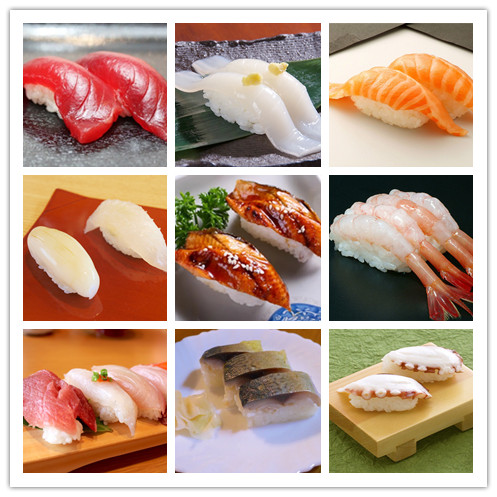
What the sauce does on a finished dish
What is unagi sauce in practical foodservice use? It is a Japanese-style sweet soy glaze used most closely with grilled eel, especially unagi kabayaki. It brings a rounded sweet-salty taste, a dark lacquered appearance, and a lingering roasted note that supports the natural richness of eel.
It is also commonly called unagi tare, Japanese eel sauce, or a sushi glaze. The names overlap in many menus, but buyers should still verify the intended use. A sauce designed for brushing over roasted eel may perform differently from a sauce intended mainly as a cold dipping sauce or a general sweet soy sauce.
The defining sensory effect is balance. Sweetness softens the fatty character of eel. Salt and soy notes prevent that sweetness from becoming heavy. The cooked, dark glaze adds visual appetite appeal. Its savory depth is often described as umami, the full-bodied savory taste that helps a simple bowl of rice feel more satisfying.
A useful cold fact: unagi sauce is named for its traditional pairing with unagi, or freshwater eel. The name does not mean that every sauce labeled “eel sauce” contains eel. For foodservice purchasing, that distinction matters because product labeling, allergen documentation, and recipe expectations should always be checked with the supplier.
When someone asks what is unagi sauce, the most useful answer is not only “a sweet soy glaze.” It is a flavor tool. It connects roasted protein, plain rice, vegetables, and aromatic toppings into one recognizable Japanese-inspired profile.
Choose the flavor parameters that match the menu
Not every Japanese eel sauce works equally well in every application. The practical difference comes from how sweetness, salt perception, body, roasted character, and finishing method work together. What is unagi sauce for a sushi producer may be different from what it is for a casual rice-bowl chain.
The table below explains what each parameter actually changes in service and what can happen when it is selected incorrectly.
| Parameter to assess | What it affects in practice | Best-fit use | What can go wrong |
|---|---|---|---|
| Sweetness level | Controls how well the sauce balances rich eel, grilled seafood, and plain rice. | Rice bowls, grilled eel, and family-oriented menus where a rounded finish is wanted. | Too sweet can hide the roasted flavor of eel and make side dishes taste one-dimensional. |
| Salt perception | Determines whether the sauce sharpens flavor or dominates it. | Sushi, seafood, and noodle dishes that already include seasoned toppings or broth. | Too salty can overwhelm delicate fish, make rice feel dry, and limit portion flexibility. |
| Body and cling | Changes how evenly the glaze stays on eel, vegetables, or rice without immediately running off. | Brushing, finishing, retail-ready prepared meals, and display-oriented dishes. | Too thin can leave patchy coverage; too heavy can pool in containers and mask texture. |
| Roasted soy character | Builds aroma and reinforces charred or grilled notes. | Kabayaki, grilled salmon, mushrooms, and fusion barbecue applications. | Too mild can make grilled items taste unfinished; too intense can compete with smoke or spice. |
| Use point in production | Determines whether the sauce acts as a cooking glaze, finishing brush, dip, or packaged condiment. | Standardized kitchens with defined assembly steps. | Using a finishing sauce too early can dull the fresh glaze effect; adding too much at packing can make rice soggy. |
The clear recommendation is to buy by application, not by the label alone. For grilled eel, choose a profile that supports the fish’s roasted aroma. For sushi rolls or lighter seafood, choose a balanced sauce used with restraint. This does not mean one sauce cannot serve several dishes; it means the kitchen must define the portion and use point before launch.
Eelpro’s roasting process for frozen roasted eel uses a controlled four-layer soy-sauce coating process, with established color standards from white-roasted eel through the first to fourth coating stages. For operators serving kabayaki, this matters because the finishing sauce should complement the eel’s existing roasted coating rather than cover it with a separate, mismatched sweet soy sauce.
Build flavor pairings around richness, texture, and contrast
What is unagi sauce most effective at pairing with? Start with contrast. It performs best when a dish needs sweetness to round out savory or grilled notes, while another element brings freshness, acidity, heat, crunch, or clean texture.
Rice dishes and donburi bowls
Rice is the most natural partner because it gives the sauce room to spread without competing flavors. A grilled eel rice bowl can use sauce in the cooking or finishing stage, then rely on fresh garnishes for contrast. For operators, the conclusion is simple: use the glaze to season the eel and lightly connect it to the rice, not to flood the bowl.
- Best fit: unagi donburi, grilled seafood bowls, rice-based meal kits, and sushi rice applications.
- Why it works: warm rice absorbs aroma while staying neutral enough for the eel to remain the focus.
- Useful contrast: crisp cucumber, spring onion, pickled vegetables, sesame, or a small acidic garnish.
- Limit: this approach does not fit dishes already built around a very sweet sauce, because the overall bowl can become cloying.
For menu inspiration beyond classic eel service, see these eel rice bowl toppings that can help create more varied bowl formats.
Seafood and grilled proteins
What is unagi sauce doing on seafood besides eel? It provides a dark roasted finish that works well with fatty or mildly flavored proteins. Salmon, shrimp, white fish, squid, and scallops can all benefit when the sauce is used as a restrained glaze rather than a heavy marinade.
The best scenario is a grill-forward menu where the kitchen wants a Japanese-inspired visual finish without changing the entire seasoning system. Brush or add the sauce near the final presentation stage according to the kitchen’s validated recipe. The limit is delicate raw seafood: a pronounced sweet soy glaze can cover its clean flavor and may not suit a minimal sashimi-style presentation.
For frozen menu planning, buyers may combine eel with other items from a frozen seafood range, but each protein should be tested separately. A glaze that flatters kabayaki may need a lighter portion for shrimp or white fish.
Noodles, vegetables, and fusion dishes
What is unagi sauce capable of outside a traditional Japanese eel bowl? It can give noodles, roasted vegetables, and fusion plates a familiar grilled-sweet soy direction. The key is to build a dish with enough texture and freshness to prevent sweetness from sitting too heavily on the palate.
| Menu category | Recommended role for the sauce | Pairing direction | When not to use it |
|---|---|---|---|
| Noodle bowls | Finishing drizzle or protein glaze | Grilled eel, mushrooms, greens, sesame, and a lighter broth base | When the broth is already dark, sweet, or strongly soy-driven |
| Roasted vegetables | Light finishing coat | Eggplant, mushrooms, pumpkin, or grilled corn with fresh herbs | When vegetables are already caramelized heavily |
| Sushi rolls | Sushi glaze on top of cooked or grilled components | Eel, avocado, cucumber, sesame, and crisp garnishes | When the roll contains several creamy or sweet fillings |
| Fusion sandwiches or wraps | Condiment layer used sparingly | Grilled eel or seafood with crunchy vegetables and a bright pickled element | When the bread or wrap includes another sticky sweet condiment |
A noodle operation should test the sauce against its broth before launch. If the broth is savory but clean, the glaze can provide contrast. If the broth is already rich and sweet, the added sauce may make the bowl feel heavy. For a menu built around eel noodles, this unagi ramen guide offers useful serving ideas.
Common mistakes when using Japanese eel sauce
Knowing what is unagi sauce also means knowing what it should not do. The most frequent service failures are not caused by the sauce itself. They come from poor portion control, unsuitable pairings, or a mismatch between product format and menu process.
- Mistake: treating it as a universal soy sauce replacement. It is sweeter and more glaze-oriented than a standard table soy sauce. Use it where roasted flavor and a glossy finish are wanted, not as the default seasoning for every Japanese dish.
- Mistake: hiding good eel under too much sauce. Frozen kabayaki already has its own roasted character. The sauce should reinforce that character, not erase it.
- Mistake: using the same amount on every protein. Rich eel, mild white fish, shrimp, and vegetables absorb and present flavor differently. Develop a separate portion standard for each item.
- Mistake: ignoring packaging and service format. A dine-in plate, a sushi tray, and a delivered rice bowl need different sauce placement to maintain appearance and texture.
- Mistake: buying without reviewing food-safety documentation. Importers and foodservice buyers should confirm product specifications, labeling, and required market documentation before approval.
For buyers asking what is unagi sauce from a sourcing perspective, the answer should include traceability as well as taste. Eelpro is certified to ISO 22000:2018, HACCP, and HALAL requirements, with export food producer registration. Our supply chain includes approximately 20 customs-registered eel farming bases covering more than 2,150 mu, supported by full-chain traceability from farming registration through shipment.
Use a structured tasting process before menu approval
What is unagi sauce worth to a foodservice buyer? Its value comes from repeatable flavor. A tasting process turns a subjective “this tastes good” response into a menu decision that chefs, purchasing teams, and production staff can follow.
- Define the application. Identify whether the sauce will be used on kabayaki, sushi rolls, rice bowls, noodles, vegetables, or mixed seafood.
- Taste it with the actual base food. Do not approve a sauce only from a spoon. Test it with the same rice, eel, protein, and garnish planned for service.
- Assess sweetness after several bites. The first taste may feel balanced while repeated bites become heavy. This is especially relevant for larger bowl portions.
- Check visual coverage. Review whether the glaze gives an even finish or pools around the product and packaging.
- Test the packed format. For delivery, retail, or meal kits, inspect whether rice, vegetables, and protein remain visually distinct after assembly.
- Record the approved use point. Specify whether the sauce is applied during cooking, after heating, or at final plating. This reduces variation across shifts and locations.
This process fits restaurant groups, sushi manufacturers, and importers developing private-label prepared foods. It may be more detailed than a small household kitchen needs, but it reduces costly menu inconsistency when multiple staff members prepare the same dish.
For supply planning, Eelpro operates two modern production lines for frozen roasted eel and deep-processed aquatic products, with annual finished-goods capacity of 4,000 tons and a 1,000-ton cold storage facility. Regular orders are generally delivered in approximately 30 days from order confirmation to shipment, subject to product specification and order quantity.
Explore our eel sauce options or request a sample and specification sheet for your intended menu application.