





Is Eating Eel Good for You Once You Account for Mercury, Species, and Serving Size
You're standing in front of a menu or a supplier catalog, and the question hits you: is eel actually safe to eat regularly, or is it one of those fish you should limit like tuna and swordfish? It's a fair worry. Mercury scares have made a lot of seafood buyers cautious. So let's answer the real question head-on: is eating eel good for you, and where does the risk actually come from?
The short answer: freshwater eel (unagi) sits in a lower mercury bracket than most predatory ocean fish, but sourcing and species still matter more than people assume.
What Makes People Worry About Eel and Mercury
Mercury in fish comes from methylmercury, a compound that builds up as smaller fish get eaten by bigger ones. This is called bioaccumulation. The longer a fish lives and the higher it sits on the food chain, the more mercury it tends to carry.
Eel is a freshwater or brackish-water species with a shorter typical harvest cycle than long-lived ocean predators. That's the key structural reason eel usually lands in a lower-risk category than fish like shark, swordfish, or king mackerel. It doesn't mean zero risk — it means the baseline exposure is smaller.
| Fish Category | Typical Mercury Risk Level | Examples |
|---|---|---|
| Higher | Long-lived ocean predators | Shark, swordfish, king mackerel |
| Moderate | Larger tuna species eaten often | Bigeye tuna, albacore |
| Lower | Shorter-lived or farmed species | Freshwater eel, shrimp, salmon, tilapia |
This table reflects the general pattern used by food safety advisories worldwide — not lab results from any single supplier. Actual mercury content still depends on where and how the eel was farmed, which we'll get to below.
Is Eating Eel Good for You From a Nutrition Standpoint
Set the mercury question aside for a second. On pure nutrition, eel is a solid food choice for most adults. It's a good source of protein, omega-3 fatty acids, and fat-soluble vitamins like vitamin A. That's part of why unagi shows up so often in Japanese cuisine — it's dense, satisfying, and pairs well with rice and vegetables.
Here's the reasoning in plain terms: eel's fat content (higher than lean white fish) is what carries omega-3s and vitamin A. That same fat is also why the roasting process matters — poorly roasted eel can taste greasy or heavy, while a well-controlled roast with proper glaze layering keeps the texture clean. This is one reason processors use a 4-layer soy-sauce coating process with temperature control at each stage — it manages fat rendering while building flavor, rather than leaving excess oil in the finished product.
So is eating eel good for you? For most people eating it a few times a month, yes — it fits comfortably into a varied seafood diet. The limit case is different: pregnant women, young children, and anyone advised to restrict mercury intake should treat eel the same as any other seafood and follow their doctor's specific guidance, not a general blog post.
Farmed vs Wild Eel Sourcing — Why Traceability Actually Matters
Mercury level isn't fixed by species alone. Water source, feed, and farming duration all shift the number. This is where sourcing paperwork becomes more useful than marketing claims.
Here's what a serious buyer should check before signing a purchase order:
- Farm registration status — is the source farm customs-registered, with a traceable batch number back to a specific pond or facility?
- Veterinary drug residue testing — does the exporter test against Japan, US, and EU residue limits, not just domestic minimums?
- Microbiological testing records — ask for recent lab reports, not just a certificate logo on the box.
- Metal detection at critical control points — a basic but often-skipped step in smaller processing operations.
- Cold-chain continuity — was the product held in proper frozen storage the entire time, or did it sit at ambient temperature during transfer?
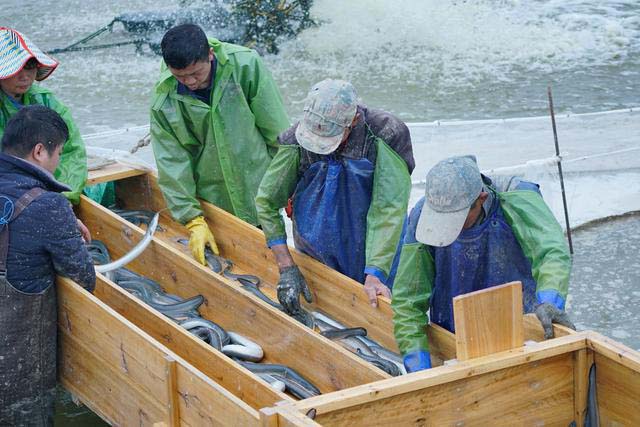
A supplier working from eel farming bases that are customs-registered and traceable gives buyers a paper trail — from pond to processing to shipment. That traceability is also what supports veterinary drug residue testing against Japan, US, and EU standards, which matters if you're re-exporting or selling into a regulated foodservice channel.
Quality checks don't stop at the farm gate either. An in-house laboratory that runs targeted sampling on incoming batches catches problems before they reach a customer's kitchen — this is the kind of control that matters more than a certificate alone.
Safety-Boundary FAQ — Mercury, Species, and Serving Frequency
Straight answers to the questions buyers actually ask, including where the honest limits are.
| Question | Answer |
|---|---|
| Is eel high in mercury compared to tuna? | Generally lower. Eel's shorter life cycle and lower trophic position mean typically less accumulation than long-lived predatory tuna species. |
| Does farmed eel carry less mercury than wild-caught? | Usually, yes — because farmed eel is raised in controlled water and feed conditions with a known, shorter growth period. This is not guaranteed without testing, though. |
| How often can I reasonably serve eel? | Several servings a month fits general seafood guidance for most healthy adults. This is not medical advice for pregnant women, nursing mothers, or young children — follow a physician's specific limits for those groups. |
| Does species selection matter more than cooking method? | Yes. Roasting, grilling, or glazing does not remove mercury. Sourcing and species are what actually change exposure, not the cooking technique. |
| Is one high-mercury meal a serious problem? | No — mercury exposure is about cumulative intake over weeks and months, not a single meal. The concern is regular, frequent consumption of high-mercury species over time. |
The boundary here is important: none of this replaces personalized medical guidance. It's general food-safety context, not a clinical recommendation for any individual reader.
Sourcing Frozen Unagi for Foodservice — A Practical Procurement Checklist
If you're a restaurant group, importer, or wholesale buyer, the mercury question usually comes second. The first question is: can this supplier consistently deliver product that meets your market's residue and microbiological standards? Here's a workable procurement sequence:
- Request the SC production license number and confirm it covers quick-frozen prepared foods, not just raw seafood.
- Ask for HACCP and ISO 22000 audit dates — not just the certificate, but when it was last renewed.
- Confirm cutting specification options — shredding, dicing, strip-cutting, chunk-cutting, 3-section cut, or sushi slices, depending on your kitchen prep needs.
- Check cold storage capacity — a facility with roughly 1,000 tons of cold storage can usually smooth out order timing better than one with minimal buffer stock.
- Clarify lead time — a standard order typically runs about 30 days from confirmation to shipment, though this shifts with specification and volume.
- Match your MOQ to your channel — catering chains, wholesale buyers, and export traders usually negotiate different minimum order quantities based on packaging format (skin-packaging vs. gift box).
A common mistake buyers make: locking in a price before confirming cutting spec and packaging format. Both change unit cost significantly, and renegotiating after a quote is issued slows everything down.
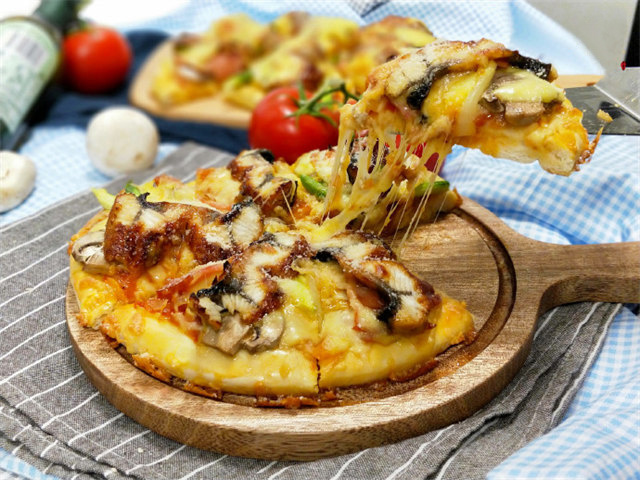
For finished product references, frozen unagi kabayaki and matching eel sauce are usually ordered together since foodservice kitchens want a consistent glaze flavor across batches. If you're building a menu around eel dishes, it's also worth reviewing how to cook eel using easy reheating methods that preserve texture without extra prep labor.
Where This Leaves the Buyer
Is eating eel good for you? For most people, yes, in normal serving frequency, and the mercury profile is generally more favorable than long-lived predatory ocean fish. But "generally favorable" isn't the same as guaranteed — sourcing, farm traceability, and testing records are what actually confirm a specific batch is safe, not the species name alone.
If you're evaluating a supplier for import or foodservice use, ask for the lab data first and the marketing copy second.
Want product specs, cutting options, or a sample before committing to volume? Reach out for a quote or request a spec sheet for frozen unagi kabayaki and eel sauce.
 WhatsApp
 sales@chinaeels.com
 +8619937922411