


Is Eel Good for You When Portions Are Chosen Well?
A glossy kabayaki fillet can make a menu feel indulgent before the guest takes the first bite. The real question for chefs is not whether eel belongs on a health-conscious menu, but how to serve it without letting oversized rice portions, heavy sauce, or fried sides take over the plate.
For restaurant operators, the answer to “is eel good for you” depends on the full serving design. Eel can be positioned as a flavorful seafood protein within a balanced meal, but it should not be marketed as a cure, a weight-loss food, or a substitute for individual dietary advice. The most responsible menu approach is simple: set a defined eel portion, control sweet sauce, and pair the dish with vegetables and a measured carbohydrate component.
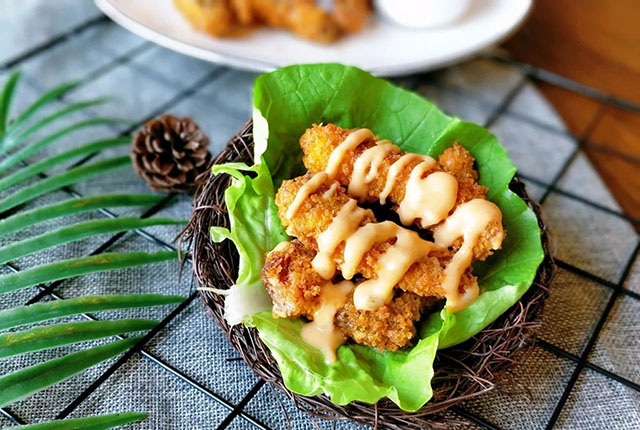
Set a health-conscious menu objective before choosing the eel cut
Start with a practical outcome: create an eel dish where the fish remains the featured ingredient, while sauce, rice, and side dishes support rather than overpower it. This suits restaurants serving guests who want satisfying Japanese-style seafood dishes with clearer portion control.
Do not begin by writing broad nutrition claims. Begin with the serving format. A rice bowl, sushi roll, shared appetizer, and plated entrée create very different guest expectations and different risks of excessive sauce or starch.
| Menu format | Best use of eel | Health-conscious serving approach | When it may not fit |
|---|---|---|---|
| Rice bowl | Visible strips or layered slices | Use eel as the focal topping, add vegetables, and avoid fully covering the rice with sauce. | Less suitable when the existing bowl already contains several sweet or fried toppings. |
| Plated entrée | One composed eel portion | Serve with two vegetable elements and one controlled starch component. | May feel too light for a menu built around very large sharing plates. |
| Sushi or small rolls | Thin sushi slices or strip-cut eel | Use cucumber, seaweed, or pickled vegetables for contrast instead of extra creamy toppings. | Not ideal if sauce is applied inside, outside, and again at the table. |
| Small plate or appetizer | Chunk-cut or three-section cut eel | Pair with leafy greens, mushrooms, or lightly dressed vegetables. | Not the best format when guests expect the plate to function as a full meal. |
Choose the cut only after choosing the format. Standardized cutting matters because it helps kitchen teams repeat the same visual ratio of eel to sides across shifts. Eelpro can supply shredding, dicing, strip-cutting, chunk-cutting, three-section cuts, and sushi slices, allowing a chef to match the cut to the menu application rather than trimming every portion in-house.
For a rice bowl, strips usually make it easier to distribute eel across the surface. For a composed plate, a larger section makes the fish look more substantial without requiring a pile of extra components. For rolls, sushi slices keep the cross-section orderly and make sauce control easier.
Build restaurant servings that protect eel’s nutritional strengths
This is the working method for preserving the role of eel in a balanced serving. The goal is not to label every dish “healthy.” The goal is to keep the seafood portion recognizable, prevent sweet sauce from becoming the dominant element, and add sides that bring color, texture, and food-group variety.
| Serving decision | Recommended action | Why it works | Checkpoint | Common failure |
|---|---|---|---|---|
| Portion size | Set one defined eel portion for each menu format and document it in the recipe card. | Consistency prevents one shift from serving a light topping and another from serving a much heavier plate. | The plated portion should look intentional before sauce is added. | Using “one handful” or “one scoop” as the only instruction. |
| Sauce placement | Brush or stripe sauce on the eel, then offer a measured amount separately only if needed. | The eel retains its roasted appearance and the guest can control added sauce. | Rice and vegetables should remain visibly separate from most of the sauce. | Pouring sauce over the entire bowl before it leaves the pass. |
| Vegetable selection | Add one fresh or lightly prepared vegetable and one cooked vegetable or mushroom component. | Contrasting textures make the dish satisfying without relying only on more rice or sauce. | At least two non-eel colors should be visible on the plate. | Using fried garnish as the only vegetable element. |
| Carbohydrate base | Set a standard rice scoop or offer a smaller base option in the recipe specification. | The plate can still feel complete while keeping eel as the main flavor. | Guests can see the eel and vegetables without digging through rice. | Building the bowl around a deep bed of rice and adding eel as decoration. |
Use a three-part plate ratio
- Place the eel first. Decide where it sits on the plate or bowl before adding anything else. This prevents it from becoming an afterthought.
- Add vegetables second. Choose sides with a clean flavor profile, such as greens, cucumber, mushrooms, cabbage, radish, or seasonal vegetables prepared with restrained oil and seasoning.
- Add the carbohydrate last. Rice, grains, or noodles should support the dish rather than cover it. Keep the base in a documented, repeatable serving scoop.
- Finish with controlled sauce. Apply sauce to the eel surface, not across the whole plate. If the concept needs extra sauce, serve it in a small side vessel.
- Check the pass. From one meter away, the guest should be able to identify eel, vegetables, and the starch component separately.
This method works especially well for kabayaki because its sweet-savory glaze has a strong visual and flavor impact. Review the kabayaki sauce article when developing a glaze-led dish, but keep recipe testing focused on placement and amount rather than adding repeated sauce layers.
Restaurant teams should also separate food safety from nutrition messaging. Food safety procedures, approved storage instructions, and supplier specifications still apply even when the menu language focuses on balance and portion design.
Control sauce without removing the character of kabayaki
The conclusion is clear: sauce should season and finish eel, not function as the main volume of the dish. This fits restaurants that want to retain the familiar kabayaki profile while giving guests more control over sweetness and overall plate balance.
It does not mean sauce-free eel is always better. A completely dry serving may disappoint guests who expect the lacquered appearance and recognizable flavor of kabayaki. The practical limit is guest expectation: a traditional, sauce-forward menu item may need a richer finish, but the recipe should still avoid covering the side dishes.
- Brush before heating: Use a light, even coat when the operational method calls for it, so the glaze adheres to the eel rather than pooling in the tray.
- Finish after plating: Add a visible final brush or narrow stripe only on the fish. This gives the plate a polished look without soaking rice.
- Use a separate sauce option: A small side portion lets guests add more according to preference. This is useful for lunch menus and mixed guest groups.
- Keep acidic or fresh elements unsauced: Cucumber, pickled vegetables, greens, or radish can provide contrast when they are not coated in the same sweet glaze.
A useful recovery rule: if a test plate tastes mainly sweet before the eater reaches the eel, reduce the sauce coverage first. Do not compensate by adding more salt, more garnish, or more rice. Re-plate the same eel portion with sauce confined to the fish, then taste again.
For operators using ready-to-serve components, Eelpro supplies both frozen roasted eel and eel sauce product page options. Product selection should be based on your intended service method, recipe card, and guest profile rather than an unsupported wellness claim.
Choose side dishes that make eel feel complete without making the menu heavy
The strongest side dishes do three jobs: they add visual contrast, provide a different texture, and keep the eel flavor clear. This approach fits restaurant lunch sets, dinner entrées, and catering bowls. It may not fit menus deliberately built around rich, celebratory combinations, where the selling point is indulgence rather than balance.
| Side-dish direction | Menu effect | Best paired with | Avoid when |
|---|---|---|---|
| Fresh cucumber or lightly pickled vegetables | Clean, crisp contrast to glazed eel | Rice bowls, rolls, warm-weather lunch sets | The dish already has several acidic components. |
| Mushrooms and greens | Earthy, savory support without competing sweetness | Plated entrées and warm grain bowls | The sauce profile is already strongly mushroom-based. |
| Steamed or lightly prepared seasonal vegetables | Clear color contrast and easy menu rotation | Set meals and catering service | Vegetables are held so long that texture becomes soft and dull. |
| Seaweed-based side | Japanese menu familiarity and a lighter visual profile | Sushi, donburi, and bento formats | The menu already has multiple salty preserved items. |
A practical menu-development example: build a kabayaki bowl with a documented eel portion, a measured rice base, cucumber or pickled vegetables, a cooked green vegetable, and sauce brushed only across the eel. During the tasting, assess whether every forkful contains either eel or vegetables. If several bites are only sweet rice, the base is too large or the eel distribution is too narrow.
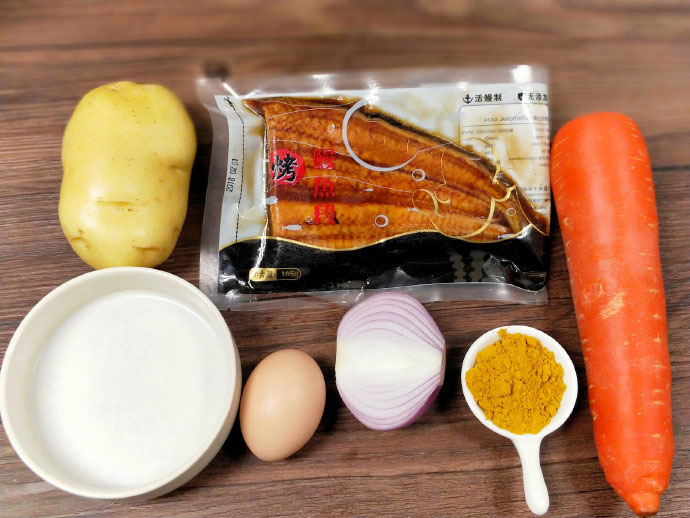
For menu teams testing bowl variations, the eel rice bowl toppings guide can help generate topping combinations. Treat it as a development reference, then validate each version through a controlled kitchen tasting and your own recipe-cost process.
Avoid menu claims and production mistakes that weaken guest trust
Health-conscious positioning is credible when the menu describes what the guest can see: grilled eel, controlled sauce, vegetable sides, or a balanced set format. It becomes risky when marketing language promises personal health outcomes that the restaurant cannot verify.
- Mistake: calling a dish “guilt-free.” This is vague and can sound dismissive. Use factual menu language such as “grilled eel with vegetables and rice” instead.
- Mistake: treating all eel dishes as nutritionally identical. Sauce level, frying, rice volume, and side dishes change the finished serving. Assess the complete recipe.
- Mistake: skipping allergen and ingredient review. Sauce recipes and side dishes can introduce ingredients guests need to identify. Keep current supplier specifications accessible to front-of-house staff.
- Mistake: using inconsistent cuts. Uneven trimming changes portion appearance and makes recipe costing harder. Select a defined cut and write it into the prep standard.
- Mistake: confusing a quality system with a nutrition claim. Certifications support process control and buyer confidence; they do not prove that every finished dish meets every guest’s dietary needs.
Supplier control supports repeatable menu execution. Eelpro operates two modern production lines with an annual finished-goods capacity of 4,000 tons, supported by a 1,000-ton cold-storage facility. Our production is certified to ISO 22000:2018 and HACCP systems, and we also hold HALAL certification, export food producer registration, and an SC Food Production License. These facts support sourcing and process review; they should not be rewritten as medical or nutritional promises.
For buyers who require traceability documentation, Eelpro works with approximately 20 customs-registered eel farming bases covering more than 2,150 mu, with traceability from farm registration through process verification and shipment tracking. Japanese restaurant chains are among the established long-term kabayaki supply cases, making standardized roasted eel formats relevant for operators building Japanese-style menus.
Verify the finished menu before launch
Complete a final pass with the chef, purchasing team, and service manager. The dish is ready for launch when its portion, sauce use, sides, and menu description all match the written specification.
- Photograph the approved plated serving from above and at guest eye level.
- Record the eel cut, piece count or defined portion method, sauce placement, rice scoop, and side-dish components on the recipe card.
- Ask the tasting team whether the eel remains identifiable after the first bite and whether vegetables remain distinct from the sauce.
- Review the menu description for unsupported health, disease, or weight-management claims.
- Confirm that purchasing can obtain the same product format consistently before the item becomes a permanent menu feature.
If the plate fails the visual check, revisit portion layout before changing the eel itself. If it tastes overly sweet, reduce sauce coverage before changing side dishes. If the dish feels incomplete, add vegetable volume or revise the carbohydrate base rather than automatically increasing eel.
Request a sample or selection advice for an unagi kabayaki product format that fits your planned health-conscious menu.