


Is Eel Healthy? A Nutritional Guide for Seafood Buyers
As a food safety specialist with over a decade in seafood exports, one question I frequently hear from importers and menu developers is: is eel healthy? The short answer is yes. Eel is a nutrient-dense fish packed with high-quality protein, vitamins, and beneficial fats. However, the full answer depends on farming practices, processing methods, and how it is prepared and served. For a B2B buyer, understanding these nuances is key to sourcing a product that meets both quality and health-conscious consumer demands.
At Eelpro, we manage the entire chain, from our 19 customs-registered unagi eel farms to our ISO 22000:2018 certified processing facility. This control allows us to deliver a product that is not only safe and delicious but also retains its inherent nutritional value. Let’s break down the facts.
Unpacking the Core Nutritional Value of Eel
Freshwater eel (unagi) is naturally rich in several key nutrients that make it an excellent addition to a balanced diet. Unlike some other seafood, its unique composition offers a powerful combination of vitamins and omega-3 fatty acids. For foodservice businesses and retailers, these are strong selling points for end consumers.
The primary health benefits come from its high concentration of:
- Omega-3 Fatty Acids: Eel is a significant source of EPA and DHA, omega-3 fatty acids known for supporting cardiovascular and brain health. These healthy fats are a major reason why oily fish are recommended in many dietary guidelines.
- Vitamins A and E: These fat-soluble vitamins are powerful antioxidants. Vitamin A is vital for vision and immune function, while Vitamin E helps protect cells from damage. Eel contains notably high levels of both compared to many other common fish.
- Vitamin D: Essential for bone health and immune system regulation, Vitamin D is not naturally present in many foods. Eel is one of the best natural dietary sources.
- High-Quality Protein: Eel provides a complete protein source, containing all the essential amino acids necessary for muscle repair and overall body function. Its soft texture also makes the protein highly digestible.
Here is a typical nutritional breakdown for a 100-gram serving of cooked freshwater eel. Note that values can vary slightly based on the specific species and diet.
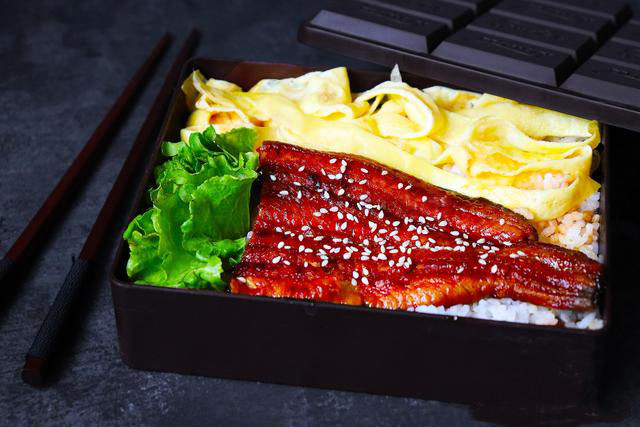
Nutritional Profile of Cooked Eel (per 100g)
| Nutrient | Approximate Amount | Key Benefit |
|---|---|---|
| Calories | 230-260 kcal | Energy source |
| Protein | 22-24 g | Muscle building and repair |
| Total Fat | 15-18 g | Includes Omega-3s |
| Vitamin A | ~4800 IU | Vision and immune health |
| Vitamin D | ~900 IU | Bone health |
| Vitamin E | ~5 mg | Antioxidant |
The quality of these nutrients is directly tied to the eel's environment and diet. Our ~20 customs-registered farming bases provide over 5,000 tons of high-quality raw materials annually, with full-chain traceability ensuring a clean, healthy starting product.
When Eel Fits a Healthy Diet (and When It Doesn't)
The way eel is prepared dramatically alters its final health profile. While the fish itself is nutritious, common preparation methods can add significant amounts of sugar, sodium, and extra fat. For foodservice clients in Japan, the US, and Germany, understanding this distinction is vital for menu positioning.
Plain, steamed, or "white-roasted" eel is the healthiest form, preserving the fish's natural nutrients without unhealthy additions. However, the most popular preparation is unagi kabayaki, which involves grilling the eel while basting it with a sweet and savory soy-based glaze. This is where the balance shifts. The key is moderation in sauce and portion size.
Here’s a comparison to help you understand the boundaries:
- Healthiest Choice: Steamed or White-Roasted Eel
- What it is: Eel cooked with minimal to no additives, often just steamed or lightly grilled without sauce.
- Health Profile: Low in sodium and has no added sugar. The nutritional profile remains very close to the raw fish. It's an excellent, clean protein source.
- Best For: Health-focused menus, diet-specific meal plans, and applications where the chef wants full control over the final flavor profile.
- Balanced Choice: Unagi Kabayaki (Controlled Sauce)
- What it is: Grilled eel basted with a traditional eel sauce (tare).
- Health Profile: The sauce adds sugar and sodium, increasing the total calorie count. A high-quality sauce uses real soy sauce, mirin, and sugar, but lower-quality versions may use high-fructose corn syrup. At Eelpro, our 4-layer sauce coating process ensures a balanced flavor without excessive glaze.
- Best For: Mainstream Japanese cuisine, rice bowls (donburi), and sushi. It offers the classic flavor customers expect while still providing the eel’s core nutrients.
- Less Healthy Choice: Deep-Fried or Heavily Sauced Eel
- What it is: Eel that is battered and deep-fried (like in tempura) or served with an overly thick, sugary sauce.
- Health Profile: Deep-frying adds a significant amount of unhealthy fats and calories. Excessive sauce can turn a healthy fish into a high-sugar, high-sodium dish, masking the eel's natural benefits.
- Best For: Occasional indulgence items or appetizer menus where portion sizes are small.
Sourcing Safe and Healthy Eel: A B2B Buyer's Checklist
For an importer or large-scale food buyer, ensuring the health and safety of your eel supply chain is non-negotiable. Contaminants, veterinary drug residues, and poor handling can negate any nutritional benefits and create significant trade risks. As someone who has guided clients through import compliance for Japan, US, and EU markets, I recommend focusing on these five areas.
Use this checklist when evaluating a potential frozen eel supplier:
- Verify Food Safety Certifications. Does the supplier hold internationally recognized certifications? Look for ISO 22000:2018 and a HACCP system. These demonstrate a systematic approach to managing food safety risks. Eelpro is certified for both, in addition to holding HALAL certification and an Export Food Producer Registration Certificate.
- Confirm Full-Chain Traceability. Can the supplier trace the product from the farm to the final shipment? This is essential for quality control and food safety. We provide this through our network of ~20 customs-registered farming bases, with targeted sampling and process verification at every stage.
- Inquire About In-House Testing Capabilities. A supplier with a professional laboratory can conduct more frequent and targeted testing. Our in-house eel lab and metal detectors at critical control points allow us to continuously monitor for veterinary drug residues and microbiological indicators, ensuring our products meet strict Japan, US, and EU standards.
- Ask About Processing Technology. Advanced processing can enhance both the safety and health profile of the final product. For example, our patented low-fat roasting and deodorizing technology produces a cleaner-tasting, less oily product. This is a clear differentiator from standard roasting methods.
- Assess Cold-Chain Management. Consistent temperature control is vital for preserving the quality and safety of frozen seafood. A supplier must have adequate cold storage capacity. Our 1,000-ton cold storage facility ensures product integrity from our workshop to the point of shipment.
By verifying these points, you can mitigate risks and ensure you are sourcing a genuinely healthy and safe product for your customers in Australia, Indonesia, or anywhere else in the world.
For more details on our food safety systems or to request a full specification sheet for our unagi kabayaki, please send us your inquiry.