


Is eel healthy when served with the right portion and preparation
Picture a glossy slice of unagi over warm rice: smoky aroma, sweet sauce, and tender flesh that almost melts. Then comes the question many diners ask before the first bite: is eel healthy, or is it simply a rich comfort food?
The practical answer is that eel can fit a balanced diet, but the nutrition changes sharply with the cut, cooking method, sauce level, and serving size. Plain grilled eel and heavily glazed eel rice bowls are not the same meal. For families, restaurant operators, and seafood buyers, knowing that difference helps turn eel from an occasional indulgence into a considered menu choice.
Start with the real question behind eel nutrition
When someone asks is eel healthy, they are usually asking several questions at once. Does it provide useful protein? Is the fat beneficial? Is there a mercury concern? Will a sauce-heavy preparation add too much sugar or sodium? The answer depends on the plate in front of them, not on the word “eel” alone.
Eel is a naturally rich fish. Its texture comes from its fat content, which can make it satisfying and flavorful. That same richness means portion awareness matters more than it does for very lean white fish. A modest serving paired with vegetables and plain rice has a different role in the diet from an oversized bowl covered in extra glaze.
Best fit: diners who want a filling seafood protein and enjoy Japanese-style meals with rice, greens, cucumber, mushrooms, or clear soup.
Less suitable fit: people who need to tightly control added sugar, sodium, or total dietary fat should pay closer attention to the sauce, side dishes, and frequency of serving. The fish itself is only one part of the final dish.
For restaurant menus, this distinction matters. A lightly sauced unagi plate can be described honestly as a rich seafood dish with protein and beneficial fats. It should not be promoted as a low-calorie or low-sodium choice when a sweet soy-based glaze and a large rice portion are central to the recipe.
Use this nutrient-and-risk breakdown before choosing a portion
To answer is eel healthy in a useful way, separate the nutrients from the risks. Buyers and diners often focus on one headline benefit, such as omega-3s, while overlooking calories from a large portion or sodium from repeated sauce applications.
| Parameter | What it affects in practice | Better choice for most diners | What can go wrong |
|---|---|---|---|
| Protein | Protein supports fullness and makes eel a substantial main dish rather than a garnish. | Serve eel as the main protein with vegetables and a measured rice portion. | Adding multiple fatty proteins to the same meal can make the dish unnecessarily heavy. |
| Omega-3 fatty acids | These fats are one reason seafood is valued in balanced eating patterns. They also contribute to eel’s rich mouthfeel. | Choose eel when a flavorful, oily fish suits the menu. | Do not assume that omega-3s make portion size irrelevant; total meal richness still matters. |
| Vitamins | Eel contains vitamins associated with animal-based seafood foods, but the exact profile varies by species, source, and preparation. | Use eel as part of a varied diet rather than relying on one seafood item for every nutrient. | Overstating a single vitamin benefit can distract from added sauce, rice, and side-dish choices. |
| Calories | Calories rise with the natural fat in eel, sweet glaze, frying, and large rice servings. | Pair grilled eel with vegetables, broth, or salad; use sauce as a finish rather than a flood. | A generous glaze plus a large rice bowl can turn a balanced dish into a much richer meal. |
| Mercury exposure | Mercury guidance matters most for pregnant people, children, and people who eat fish frequently. | Check current local seafood advice and rotate seafood choices across the week. | Assuming every eel source carries the same risk ignores species, origin, and official local guidance. |
| Recommended serving portion | Portion size determines whether eel works as a satisfying main course or becomes an oversized high-energy dish. | Use a palm-sized eel portion, then build the plate with vegetables and a moderate starch portion. | Serving several large pieces with extra sauce makes it hard to judge satiety and total meal richness. |
For mercury questions, use current advice from an authoritative public-health source such as the FDA, especially when serving children, pregnant people, or frequent seafood consumers. The right conclusion is not “avoid all eel” or “eat unlimited eel.” It is to choose traceable seafood, follow local guidance, and vary the seafood menu.
Cold fact: sauce can change the nutrition story faster than the fish does. Kabayaki-style eel is brushed with a sweet-savory soy sauce during roasting, so the final sugar and sodium experience depends heavily on how much sauce is used before serving and at the table.
Choose preparation methods that keep eel enjoyable without masking the fish
If your goal is a lighter meal, the answer to is eel healthy depends partly on the cooking format. Frozen unagi kabayaki is convenient because it is already roasted and seasoned, but it still benefits from thoughtful plating.
For a home meal, warm the eel according to the product instructions, then serve it with plain rice, cucumber, steamed greens, or a simple soup. Let the eel provide the richness. The side dishes should bring freshness, texture, and volume.
For restaurants, an eel rice bowl can remain satisfying without relying on a heavy extra pour of tare. A measured glaze on the fish, pickled vegetables, and a clean garnish create contrast. Operators can also offer extra sauce separately, allowing customers to control the final flavor intensity.
- Choose grilled or roasted eel when the objective is to highlight the fish itself. This suits unagi bowls, sushi toppings, and bento meals. It does not apply when the menu specifically calls for a crisp fried texture.
- Use sauce in layers, not pools when sugar and sodium awareness matters. This works for health-conscious menus but may not suit guests who expect an intensely sweet kabayaki profile.
- Add high-volume vegetables when serving eel over rice. Greens, cucumber, mushrooms, and seaweed help balance richness without competing with the flavor.
- Keep creamy toppings limited when eel is already glazed. Mayonnaise, cheese, and rich dressings can be delicious, but they create a very different nutritional result.
Eelpro uses a four-layer soy-sauce coating process for roasted eel, with defined color standards from white-roasted eel through the first to fourth coating stages. That process supports consistent kabayaki appearance and flavor. For diners watching added sauce, consistency also makes menu portioning easier than applying an unknown amount of glaze at service.
For product exploration, see our unagi kabayaki product page and compare how a prepared roasted format may fit your menu.
Avoid the common mistakes that make a good eel meal less balanced
A simple answer to is eel healthy can become misleading when preparation details are ignored. These are the mistakes worth avoiding at home and in foodservice operations.
| Common mistake | Why it matters | Better action | When the alternative is acceptable |
|---|---|---|---|
| Treating sauce as a free condiment | Sweet soy-based sauce adds flavor, but repeated brushing and table-side pouring can change the meal balance. | Apply a measured finishing layer and offer extra sauce separately. | A richer serving can suit an occasional celebratory meal. |
| Serving eel with only white rice | The plate becomes rich and soft, with little contrast or vegetable volume. | Add greens, cucumber, seaweed, mushrooms, or pickles. | A simple eel-and-rice bowl is fine when other meals that day include vegetables. |
| Choosing an oversized portion | Eel is satisfying and naturally rich, so a large portion can exceed what the diner actually wants. | Start with a palm-sized serving and allow a second portion only if needed. | Higher-energy needs may justify a larger plate when the rest of the meal remains balanced. |
| Ignoring source and handling | Nutrition value does not replace food-safety and traceability requirements. | Buy from suppliers with documented food-safety systems and cold-chain controls. | This does not mean every small producer is unsafe; it means buyers should verify records before purchasing. |
| Assuming all eel dishes are alike | Plain roasted eel, sauce-glazed kabayaki, tempura, and creamy sushi rolls have different nutrition profiles. | Describe the complete dish, not just the fish, when making a menu decision. | Indulgent formats can still belong on a menu when presented as occasional treats. |
This is especially relevant for restaurant buyers. A good supplier can provide product consistency, but the operator still controls the final portion, rice amount, garnish, and sauce level. Those choices determine what reaches the customer.

Use a practical checklist when buying eel for home or foodservice
For a buyer, is eel healthy should also include “is the product handled responsibly?” Nutrition matters, but traceability and cold-chain control are part of a sound purchasing decision.
- Identify the dish first. Decide whether the eel will be a rice bowl topping, sushi ingredient, bento center, or shared appetizer. The intended dish determines the appropriate cut and portion.
- Check the ingredient and sauce profile. Ask whether the product is plain roasted, pre-glazed, or supplied with separate sauce. This affects menu flexibility.
- Confirm food-safety documentation. For export and professional purchasing, verify applicable certificates, producer registration, production licensing, and traceability records.
- Review cold-chain capability. Frozen product quality depends on stable storage and handling from production through delivery.
- Request a sample before a menu launch. Assess texture, glaze intensity, cutting format, and reheating performance in the actual serving format.
- Train staff on portioning. A consistent serving protects food cost and helps diners receive the meal experience described on the menu.
Eelpro operates with ISO 22000:2018, HACCP, HALAL certification, export food producer registration, and an SC Food Production License. Our supply chain includes around twenty customs-registered eel farming bases covering more than 2,150 mu, with traceability from farming registration through process verification and shipment tracking. We also maintain an in-house laboratory, metal detectors at control points, and a 1,000-ton cold storage facility.
These points do not make a nutrition claim. They help buyers evaluate product control. This is particularly useful for importers and restaurant groups that need consistent frozen eel supply, documented production systems, and reliable handling conditions.
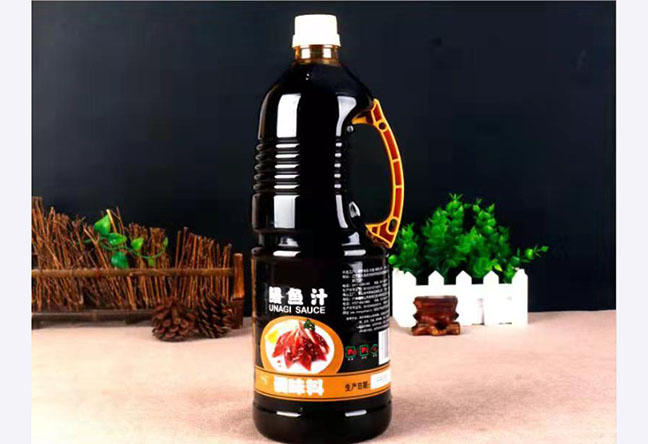
For a sauce-focused menu, our eel sauce product page can help buyers consider whether separate tare supports better portion control. For a deeper look at flavor balance, see this kabayaki sauce article.
Match eel portions to the diner and the menu format
So, is eel healthy for regular meals? It can be, when the portion reflects the diner’s needs and the plate is built around more than eel and sauce.
For a home dinner: use one palm-sized eel portion per adult diner, add vegetables, and keep extra sauce optional. This suits a relaxed weekday meal. It may not satisfy someone with unusually high energy needs, so add a balanced side rather than immediately doubling the eel.
For sushi or small plates: use eel as a flavor-forward topping rather than the entire meal. This works well because unagi has a rich taste and does not need a large volume to make an impression. It does not apply if the dish is intended as a full entrée.
For restaurant rice bowls: standardize the eel portion, rice scoop, and sauce amount before launch. This protects consistency across shifts. It will not replace recipe testing; staff should still test the final bowl after reheating and plating.
For frequent seafood eaters: rotate eel with other seafood types and follow local guidance on mercury exposure. This is the most sensible approach for households that serve seafood often. It does not mean eel must be removed from the menu; it means variety remains part of responsible meal planning.
The useful takeaway is simple. Eel offers protein, omega-3 fats, and a satisfying texture, yet its richness and common glazed preparations call for sensible portions. Ask “is eel healthy” in the context of the entire plate, not as a yes-or-no label for one ingredient.
If you are planning an eel menu or sourcing frozen unagi for a health-conscious customer group, request a product sample and specification sheet from Eelpro.