

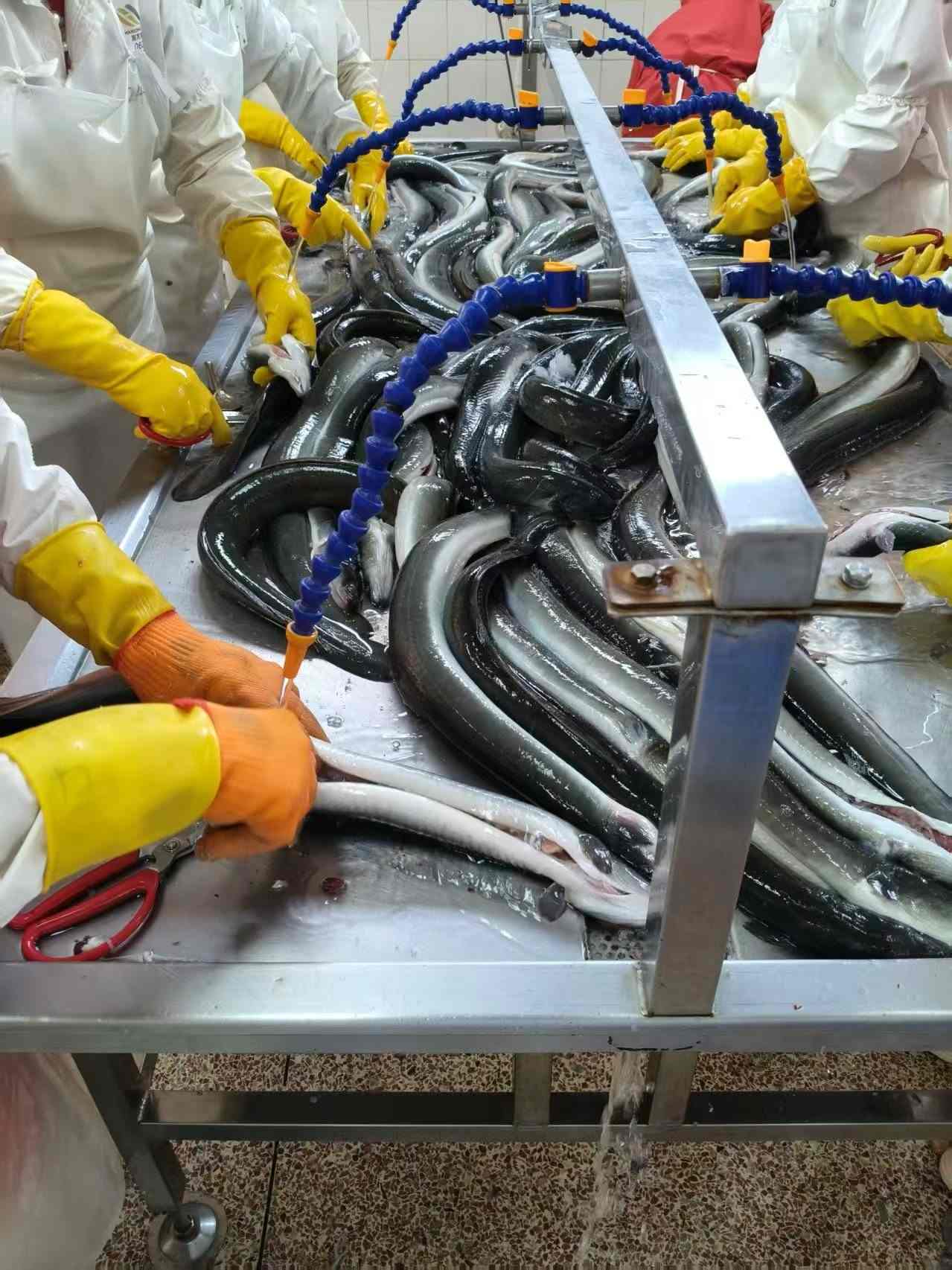
Is Eel Healthy to Eat During Pregnancy? Safety Guide
A warm bowl of unagi rice can be especially tempting during pregnancy. Its sweet glaze, tender flesh, and smoky aroma are comforting—but before taking the first bite, many people wonder: is eel healthy to eat when you are expecting? The answer depends on the eel’s source, mercury guidance, preparation method, storage, and your individual health needs.
Eel may fit into a pregnancy diet when it is handled and cooked safely. Raw eel, undercooked eel, and refrigerated smoked eel call for extra caution. This guide explains how to make a safer choice while still enjoying the meal.
Is Eel Healthy to Eat During Pregnancy?
Eel provides protein and other nutrients. During pregnancy, however, nutrition is only one part of the decision. Storage, thorough cooking, and sourcing from waters or farms subject to appropriate monitoring also matter.
For many pregnant people, fully cooked eel from a reputable supplier may fit into a balanced diet. Still, not every eel dish is equally suitable. Cooked unagi kabayaki differs from raw eel sushi, while a shelf-stable product differs from refrigerated smoked eel. Always check the label and preparation instructions.
If you have been advised to avoid certain seafood, have a condition that affects your immune system, or are unsure about local seafood guidance, speak with your obstetrician, midwife, or dietitian before eating eel. Individual medical advice should take priority over general food guidance.
Eel Mercury Levels: What Pregnant Buyers Should Know
Mercury is a naturally occurring element that can enter aquatic environments. Fish and eel can contain mercury, and levels may vary by species, size, age, habitat, and source. That is why broad statements such as “all eel is safe” or “all eel is high in mercury” are not useful.
So, does eel contain mercury? It can. The amount is not the same in every product. Farmed freshwater eel and wild-caught eel can come from different environments, so one description should not be assumed to apply to every supply chain.
Pregnant consumers should follow seafood advisories issued by their local food-safety authority. These advisories may consider regional waters, species, and recommended seafood choices. When a package identifies the species and origin, keep that information available. It may help a healthcare professional or local authority offer more relevant guidance.
How to assess mercury risk
- Check the species and country or region of origin when that information is provided.
- Look for current seafood advice from the health authority where you live.
- Vary the seafood you eat instead of relying on one species repeatedly.
- Ask your healthcare professional if you eat eel often or have concerns about previous seafood exposure.
There is usually no need to panic after one meal. Mercury guidance generally focuses on repeated exposure and overall dietary patterns. Even so, pregnancy is a good time to keep track of the seafood you eat and make choices based on current public-health advice.
Eel Food Safety During Pregnancy
Food safety starts before cooking. Buy eel from a supplier or retailer that keeps frozen products frozen and chilled products properly refrigerated. Avoid packages that are torn, leaking, severely damaged, or show signs of thawing and refreezing. For home deliveries, transfer frozen eel to the freezer promptly.
Read the label carefully. It should indicate whether the eel is raw, cooked, smoked, frozen, or ready to eat. A dark sauce or glossy finish does not prove that the flesh is fully cooked. With prepared unagi, follow the package heating directions rather than simply warming the sauce.
Practical handling checklist
- Wash your hands before and after handling raw seafood.
- Keep raw eel separate from fruit, vegetables, cooked rice, and ready-to-eat foods.
- Use clean utensils and, where possible, a separate cutting board.
- Cook eel until the flesh is opaque, hot throughout, and easy to separate with a fork.
- Refrigerate leftovers promptly and follow the product’s storage instructions.
- Do not taste raw marinade, sauce, or partially cooked eel during preparation.
Cross-contamination can happen quickly in a busy kitchen. A knife used for raw eel should not go directly onto a serving plate. The same applies to tongs, cutting boards, and hands.
For a convenient meal, frozen unagi kabayaki can be a practical option because it is prepared for reheating. Even then, check whether the package describes it as fully cooked or whether further cooking is required. Our unagi kabayaki product page provides product information for buyers comparing prepared eel options.
Cooked, Smoked, and Raw Eel: Which Is Safer?
Fully cooked eel
Fully cooked eel is generally the simpler choice during pregnancy. Heat the product until it is hot throughout, including the thickest part. If you are reheating frozen unagi kabayaki, do not stop when only the sauce is warm. Follow the package directions to ensure the eel itself is thoroughly heated.
Cooked eel can be served over rice, added to a noodle bowl, or paired with vegetables. If the sauce is sweet and salty, use enough for flavor rather than treating it as a health benefit. You can explore eel recipes for meal ideas that combine eel with broth, noodles, and vegetables.
Smoked eel
Smoked eel deserves closer attention. Smoking can add flavor and help preserve food, but it does not automatically make every product suitable for pregnancy. Some smoked seafood is ready to eat and refrigerated, while other products are cooked during processing. Check the label for clear preparation and storage instructions.
If the label is unclear, do not guess. Choose a product that can be cooked thoroughly, or heat smoked eel until it is steaming hot throughout if the product instructions allow it. People at higher risk of infection should ask a healthcare professional before eating refrigerated smoked seafood.
Our freshwater eel products can be considered alongside other frozen seafood choices, but each item must still be prepared according to its own label. See our frozen seafood selection when planning a broader menu.
Raw eel
Raw eel is not the preferred choice during pregnancy. Raw seafood can carry parasites or harmful bacteria. Restaurant descriptions such as “fresh,” “premium,” or “sushi-grade” do not remove the need for pregnancy food-safety caution.
Avoid raw eel sushi, sashimi, and undercooked eel dishes unless your healthcare professional gives specific advice and the product has been prepared under relevant food-safety controls. For a similar Japanese-style meal with less uncertainty, choose thoroughly cooked unagi.

Safe Eel Serving Size During Pregnancy
People often search for a single safe eel serving size. In practice, the right amount depends on your total seafood intake, product-specific mercury guidance, your nutritional needs, and advice from your healthcare professional. Public-health seafood recommendations are often based on overall weekly choices rather than one universal eel portion for every person and region.
Use the serving guidance on the package and compare it with advice from your local health authority. Keep eel as one part of a varied diet rather than eating it at every seafood meal. This approach may help reduce repeated exposure to contaminants associated with a particular species or source.
If you are asking, “how much eel is safe to eat during pregnancy?” the most responsible answer is to follow current local seafood guidance, use the product serving information, and confirm your personal limit with your prenatal care provider. This is especially useful if you eat large portions, eat eel frequently, or also consume other seafood with mercury guidance.
When to ask for individual advice
- You have received a seafood restriction from your doctor.
- You are concerned about mercury exposure from several seafood meals.
- You have a condition that increases the risk of foodborne infection.
- You are unsure whether a smoked or prepared eel product is fully cooked.
- You developed symptoms after eating seafood.
Seek medical advice promptly if you experience serious or persistent symptoms after eating food. A healthcare professional can assess the situation using the product, preparation details, and timing of the meal.
Buying and Cooking Tips for Families
For home cooks, a few straightforward habits make eel easier to manage. Choose sealed packaging, keep the product cold or frozen as directed, and defrost frozen eel in the refrigerator rather than on the kitchen counter. Once opened, use it within the period stated by the manufacturer.
When cooking, pay attention to the center of the thickest piece. The surface can brown quickly because unagi sauce contains sweet ingredients, while the inside remains cooler. Covering the eel briefly during reheating may help it warm more evenly, but always follow the package instructions first.
Want a different flavor? Pair cooked eel with plain rice, cucumber, steamed greens, or a mild soup. If you use extra tare, remember that sauce adds flavor but does not replace safe cooking. Our eel sauce product page introduces unagi tare for buyers and foodservice teams.
Avoid-the-mistake guide
- Do not rely on color alone. A dark glaze does not prove the eel is hot throughout.
- Do not confuse frozen with risk-free. Freezing may affect parasites, but it does not remove every food-safety concern.
- Do not leave cooked rice and eel at room temperature for extended periods. Serve promptly and store leftovers correctly.
- Do not assume smoked means fully cooked. Check the label and preparation directions.
- Do not ignore source information. Origin and species can help when reviewing mercury guidance.
Key point: the sauce often gets the attention, but pregnancy food safety depends mainly on the eel itself, how it was handled, and how it was cooked. A glossy finish can make a dish look ready before the thickest part has been heated properly.
Pregnancy Eel Safety FAQ
Can pregnant women eat eel?
Pregnant women may be able to eat eel when it is appropriately sourced, thoroughly cooked, and included within local seafood guidance. Fully cooked eel is generally the simpler option. Raw eel and some refrigerated smoked products involve greater food-safety uncertainty and should be avoided or discussed with a healthcare professional.
Does eel contain mercury?
Yes, eel can contain mercury, but levels may vary by species, size, habitat, and source. Check current advice from your local food-safety authority and avoid relying on one seafood species repeatedly without considering your overall seafood pattern. If you are concerned about exposure, speak with your prenatal care provider.
How much eel is safe to eat during pregnancy?
There is no single portion that applies to every pregnant person, product, or country. Use package serving guidance, follow local seafood recommendations, and consider all the seafood you eat. Your doctor or dietitian can provide an individual recommendation if you eat eel often or have other health concerns.
Is unagi kabayaki safe during pregnancy?
Unagi kabayaki may be suitable when it is a fully cooked product that has been stored and reheated correctly. Confirm the label, heat it thoroughly, and do not treat a warm sauce as proof that the eel is ready. Restaurant versions should also be served fully cooked.
Final Takeaway
So, is eel healthy to eat during pregnancy? It can be part of your diet if you choose a suitable product, consider eel mercury levels, avoid raw or uncertain preparations, and follow reliable eel food safety guidance. Do not judge readiness by appearance alone. Check the label, cook thoroughly, vary your seafood choices, and ask your healthcare professional if your situation requires individual advice.
For more cooking inspiration, browse our how to cook eel guide or learn about kabayaki sauce. Have a pregnancy-friendly eel recipe or preparation tip? Share your experience in the comments.
Author: Eelpro Co., LTD Technical Team