


Is Eel Sauce Healthy? A Professional Look at Sugar, Sodium, and Ingredients
As a specialist in kabayaki processing, I'm often asked about the components of our products, from the eel itself to the sauce that gives it that signature flavor. A common question from food importers and chefs is, "is eel sauce healthy?" The direct answer is that unagi tare, or eel sauce, is a condiment designed for flavor, not for nutrition. It is fundamentally a glaze made from soy sauce, mirin, and sugar, meaning it is high in both sodium and sugar. Its health impact is almost entirely dependent on two factors: the quality of the ingredients and, most importantly, the serving size.
While the sauce itself doesn't contain eel, it is an inseparable part of the unagi kabayaki product experience. Understanding its nutritional profile is essential for menu planning, labeling, and catering to health-conscious consumers. This article breaks down the nutritional facts, separates sauce from eel, and provides guidance for sourcing high-quality, consistent products for your business.
The Crucial Distinction: Eel Nutrition vs. Eel Sauce Nutrition
A frequent misunderstanding is that the nutritional benefits of eel—like Omega-3 fatty acids, Vitamin A, and high-quality protein—are present in the sauce. This is incorrect. The sauce is a separate component applied during and after cooking. The health benefits come from the freshwater eel itself, while the sauce primarily contributes flavor, sugar, and sodium.
To make this clear for menu planning and nutritional analysis, let's compare the two side-by-side. The values for unagi kabayaki represent the cooked eel fillet, while the eel sauce values are for a typical serving of the condiment alone.
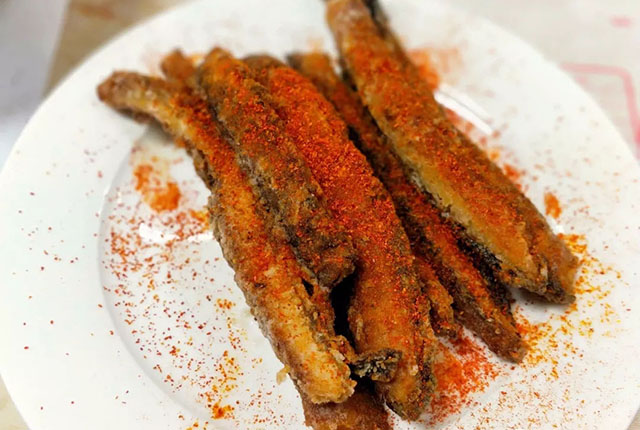
Nutritional Profile: Unagi Kabayaki vs. Unagi Tare
| Nutrient / Component | Roasted Eel (Unagi Kabayaki) per 100g | Eel Sauce (Unagi Tare) per 1 tbsp (~18g) |
|---|---|---|
| Primary Contribution | Protein, Omega-3s, Vitamins A, E, D | Flavor (Sweet & Savory), Color, Glaze |
| Calories (Approx.) | 230-290 kcal | 30-45 kcal |
| Protein (Approx.) | 20-24 g | <1 g |
| Sugar (Approx.) | 0 g (from the eel itself) | 5-8 g |
| Sodium (Approx.) | 100-150 mg | 500-750 mg |
| Key Takeaway | A nutrient-dense protein source. | A flavor enhancer high in sugar and sodium. |
As the table shows, the sauce's contribution is almost exclusively sugar and sodium. A single tablespoon can contain a significant portion of the recommended daily intake for both. For B2B clients like restaurant chains in Japan and food importers in the United States, providing this clear distinction is vital for accurate menu labeling and managing customer expectations.
Evaluating Eel Sauce Quality: A Checklist for B2B Buyers
Not all eel sauce is created equal. The ingredient list and manufacturing process directly impact flavor, consistency, and food safety. For a foodservice or retail business, sourcing a reliable and high-quality sauce is as important as sourcing the eel. Inferior sauces can introduce unwanted ingredients and create an inconsistent customer experience. Here are common mistakes to avoid and key points to verify with a potential frozen eel supplier.
Common Sourcing Mistakes and How to Avoid Them
- Mistake 1: Ignoring the Ingredient Hierarchy. Many mass-market sauces list high-fructose corn syrup or water as the first ingredient instead of traditional soy sauce and mirin. This significantly alters the flavor profile and reduces quality.
- How to Avoid: Always request a full ingredient specification sheet. Ensure that naturally brewed soy sauce is a primary component.
- Mistake 2: Overlooking Manufacturing Certifications. A sauce is a food product subject to the same risks of contamination as any other. Failing to verify a supplier's food safety standards is a major risk.
- How to Avoid: Confirm that the manufacturer holds internationally recognized certifications. At Eelpro, our entire facility, including our sauce production, operates under ISO 22000:2018 and HACCP systems to ensure product safety and traceability.
- Mistake 3: Not Testing for Application Consistency. A sauce that is too thin will not adhere to the eel, while one that is too thick can burn easily and overpower the flavor.
- How to Avoid: Request a sample to test its viscosity and performance under heat. Our process, which involves a 4-layer soy-sauce coating technique, requires a sauce with specific properties to create the perfect glaze.
- Mistake 4: Disregarding Sodium Content Variations. The sodium levels can vary widely between suppliers. A high-sodium sauce can make a dish unpalatable and poses challenges for health-conscious menus.
- How to Avoid: Ask for a detailed nutritional analysis per 100g. This allows you to calculate the precise sodium content per serving and ensure it aligns with your menu's nutritional goals.
By using this checklist, buyers can move beyond price and evaluate a sauce based on quality, safety, and suitability for their end-use, whether it's for high-end Japanese restaurants or retail-packaged eel rice bowl toppings: 7 better donburi ideas.
How Processing and Traceability Ensure a Safer, More Consistent Product
The quality of an eel sauce product page is directly linked to the manufacturer's overall commitment to quality control. The same principles that apply to processing eel apply to the sauce that accompanies it. At Eelpro, we manage this through an integrated system that ensures safety and consistency from the farm to the final packaged product.
First, our raw material sourcing is controlled. We manage approximately 20 customs-registered eel farming bases, providing full-chain traceability. While the sauce doesn't contain eel, this system ensures that all components entering our facility are vetted and tracked. This level of control helps us meet the strict food inspection standards of markets like the European Union and Japan for veterinary drug residues and microbiological indicators, reducing trade risks for our import partners.
Second, the production environment is critical. Our 8,497 m² production workshop includes two modern lines with an annual capacity of 4,000 tons. This scale allows for dedicated equipment and standardized processes. Our patented deodorizing equipment and low-fat roasting technologies are part of a system designed to produce a clean-tasting final product. The sauce we use is formulated to complement this, not mask imperfections. Our 25-person quality control team, supported by an in-house laboratory and metal detectors, monitors every critical control point.
Finally, consistency is key for B2B applications. Whether a client is a German food distributor or a Southeast Asian catering chain, they need every batch to have the same taste, color, and texture. Our standardized '1st-through-4th soy-sauce coating color' standards are a testament to this precision. This ensures that the unagi kabayaki and the accompanying sauce deliver a uniform experience every time, reducing back-of-house variability for chefs and ensuring brand consistency for retailers.
In short, a healthier consideration for eel sauce isn't just about the sugar or sodium content—it's also about the guarantee of a safe, clean, and consistently produced product from a certified supplier.
For businesses looking for detailed nutritional specifications or to discuss custom sauce formulations for your market, please feel free to request our product spec sheets.