


Is Unagi Healthy for Balanced Japanese Menus?
A diner wants a satisfying Japanese eel bowl, but your menu also needs options that feel lighter and easier to position for different eating preferences. That is where the real comparison begins: is unagi healthy, and when is leaner anago the better menu choice?
Both are eel, yet they create very different impressions on the plate. Unagi is freshwater eel and is usually richer, softer, and more filling. Anago is saltwater conger eel and is generally leaner, milder, and lighter in texture. For restaurant operators, purchasers, and menu planners, the better option is not simply the one with fewer calories. It is the one that matches portion size, sauce use, cooking method, diner expectations, and menu price positioning.
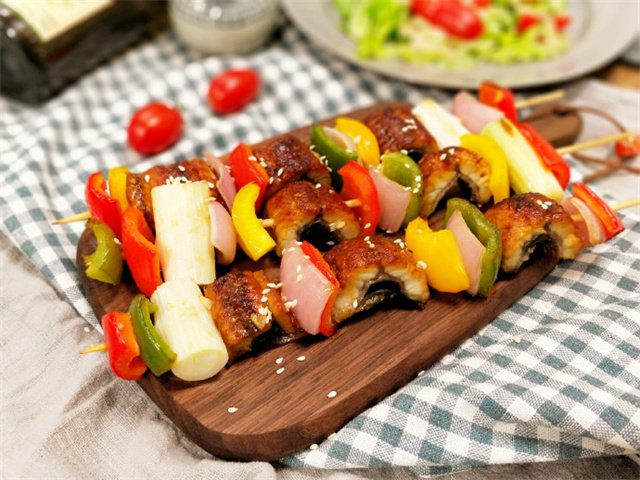
Is unagi healthy when served as kabayaki?
Yes, unagi can fit a balanced menu when the serving format, sauce level, and side dishes are controlled. Unagi provides protein and is known for its richer fat content compared with anago. That richness is part of why grilled unagi feels satisfying in a rice bowl, sushi roll, or set meal. It can also help a smaller portion feel substantial.
The limitation is preparation. Kabayaki is commonly brushed with a sweet-savory tare sauce during grilling. A generous glaze can increase the sweetness and sodium of the finished dish, while a large rice portion can turn a modest eel serving into a heavier meal. The health positioning should therefore describe the full plate, not eel alone.
For menu planning, treat unagi as the featured protein rather than an unlimited topping. Pair it with vegetables, clear soup, pickles, seaweed, or a restrained rice portion. Use sauce as a flavor layer, not as the main volume of the dish. For label and consumer-facing claims, review the applicable Nutrition Facts label requirements for your market rather than making broad health claims.
When unagi is the stronger menu choice
- Premium rice bowls: Choose unagi when diners expect a rich centerpiece with a glossy grilled finish. Its fuller mouthfeel supports a higher-perceived-value bowl.
- Cold-weather or comfort-food menus: The richer character works well when diners want warmth and satisfaction. It is less suitable if the concept is built around very light meals.
- Sushi and Japanese grill menus: Use sliced or cut unagi where its roasted aroma and sauce can stand out without requiring a large portion.
- Controlled-portion meal sets: A smaller eel serving with soup, vegetables, and rice provides a more balanced plate than a large eel-and-rice-only bowl.
At Eelpro, our frozen kabayaki is made with a four-layer soy-sauce coating process, with controlled roasting steps and defined color standards from white-roasted eel through the fourth coating. This matters for operators because a consistent roasted surface and sauce appearance make portioned menu presentation easier to standardize. Explore our unagi kabayaki product formats when planning bowl, sushi, and set-meal applications.
How do richer unagi and leaner anago compare for diner preferences?
Choose unagi for diners seeking richness and choose anago for diners seeking a lighter seafood experience. Neither option is automatically “better.” The right selection depends on what the menu promises and how the product is prepared.
| Decision factor | Unagi | Anago | Best menu fit |
|---|---|---|---|
| General fat profile | Richer and higher in fat than anago | Leaner by comparison | Offer unagi for indulgent or filling dishes; offer anago for lighter-positioned items. |
| Flavor | Fuller, richer, and often associated with kabayaki sauce | Milder and more delicate | Use unagi where sauce and roasting are key; use anago where subtle seafood flavor should remain noticeable. |
| Texture | Soft, tender, and rich | Usually lighter and more delicate | Unagi suits hearty bowls; anago suits lighter sushi, rice, and appetizer concepts. |
| Sauce tolerance | Handles sweet-savory tare well | Can be overwhelmed by a heavy glaze | Use a measured sauce application for unagi; use a lighter brush or separate sauce for anago. |
| Diner preference | People wanting a substantial, comfort-style eel dish | People seeking a leaner seafood option | List both if your Japanese menu serves mixed dietary preferences. |
There is an important limit to this comparison. “Leaner” does not mean anago is automatically low-calorie after frying, glazing, or serving over a large rice base. Likewise, richer unagi is not unsuitable for a balanced menu when portions and accompaniments are designed carefully. The cooking method changes the final dish as much as the species choice.
Cold fact for menu writers: diners often treat “eel” as one category, but unagi and anago deliver noticeably different eating experiences. If your menu lists only “eel,” guests may expect the rich, glazed unagi profile and be surprised by a lighter anago preparation. Name the species or describe the style clearly.
Which preparation methods change the nutrition story most?
The sauce amount, added oil, and rice portion usually change menu positioning more than the eel name alone. This is where operators can make immediate adjustments without changing the core ingredient.
| Preparation choice | Effect on menu positioning | Recommended use | When not to use it |
|---|---|---|---|
| Kabayaki with full glaze | Rich, sweet-savory, premium comfort-food profile | Signature donburi, bento centerpiece, Japanese grill plate | Not ideal for a menu promoted primarily as light or low-sugar. |
| Light sauce brush | Lets the roasted eel flavor show more clearly | Smaller bowls, sushi, tasting plates, balanced meal sets | May disappoint guests expecting a classic glossy kabayaki finish. |
| Sauce served separately | Gives diners control over sweetness and intensity | Health-conscious concepts, takeout, mixed diner groups | Requires staff consistency and may reduce the traditional glazed appearance. |
| Fried or tempura-style eel | Creates a richer finished dish through batter and frying oil | Occasional appetizer or indulgent special | Not the best choice when comparing eel as a lean seafood option. |
| Eel with vegetables and soup | Builds a fuller meal with more variety | Set meals and lunch combinations | Less suitable for a fast, single-item snack format. |
For kabayaki, sauce consistency matters. A sauce that is too sweet can dominate the fish; one that is too thin may not give the familiar roasted sheen diners expect. Our kabayaki sauce article explains why sauce handling affects finished flavor and appearance. Operators can also source a matching glaze through our eel sauce product page.
What menu formats work best for a balanced unagi offering?
A portion-controlled rice bowl, sushi format, or mixed set meal is usually the most practical way to offer unagi without presenting it as an excessively heavy dish. Each format serves a different diner need.
- Smaller unagi rice bowl: Best for lunch, quick service, and diners who want the kabayaki experience without a large entrée. Balance the bowl with vegetables or pickles. Avoid describing it as “light” if the rice and glaze remain generous.
- Unagi sushi roll: Best for shareable menus and controlled portions. Cucumber, greens, or other fresh elements can offset the rich eel. Avoid overloading the roll with mayonnaise-based sauces.
- Unagi tasting plate: Best for premium Japanese restaurants. Offer smaller slices with vegetables, pickles, and a measured sauce brush. This format may not suit value-driven lunch menus because plating labor can be higher.
- Unagi set meal: Best for full-service dining. Include soup, vegetables, and a moderate rice component. This gives diners a complete meal instead of relying on a very large eel portion.
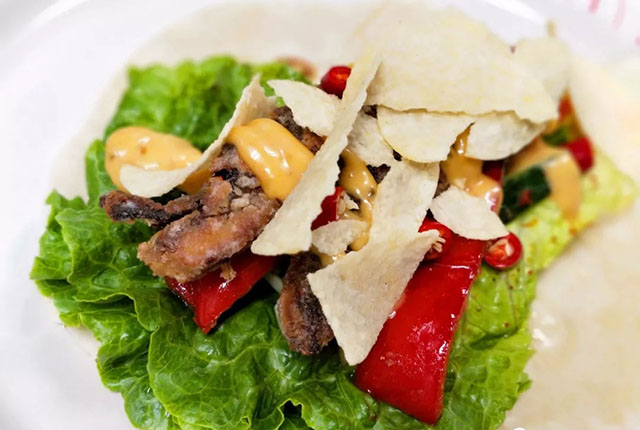
- Shredded eel topping: Best for noodle bowls, salads, and mixed rice. It spreads roasted flavor across the plate. It is not appropriate when guests expect a large, visible kabayaki fillet.
Eelpro can provide custom cuts including shredding, dicing, strip-cutting, chunk-cutting, three-section cuts, and sushi slices. That flexibility helps operators match the cut to the role of eel on the plate. For example, sushi slices suit controlled portions, while strips may fit noodle bowls or mixed rice applications. See our eel rice bowl toppings guide for practical serving ideas.
What should buyers check before selecting frozen unagi for a menu?
Check traceability, food-safety documentation, cut format, sauce specification, and intended serving style before comparing purchase prices. A low unit price does not help if the product needs extra trimming, inconsistent sauce adjustment, or kitchen labor before service.
Buyer checklist for restaurant and foodservice teams
- Confirm the target dish: Decide whether the product is for bowls, sushi, bento, noodles, or retail packs. The required cut format changes.
- Specify sauce expectations: Ask whether the kitchen wants fully glazed kabayaki, lightly seasoned eel, or sauce packed separately. This affects flavor control and health-oriented menu wording.
- Review food-safety credentials: Eelpro holds ISO 22000:2018, HACCP, HALAL certification, export food producer registration, and an SC Food Production License. These documents are relevant for buyers managing import, foodservice, and retail approval processes.
- Ask about traceability: Our supply chain includes about 20 customs-registered eel farming bases covering more than 2,150 mu, with control from farm registration through process verification, sampling, and traceability tracking.
- Assess cold-chain readiness: Frozen product quality depends on storage and handling after production. Eelpro operates a 1,000-ton cold-storage facility to support product storage and cold-chain logistics.
- Match order volume to the format: MOQ depends on the product specification and packaging format. Confirm whether you need white-roasted skewers, kabayaki fillets, cut pieces, skin packaging, or gift-box packing before requesting a quote.
Our two modern production lines have annual finished-product capacity of 4,000 tons, covering frozen roasted eel and deep-processed aquatic products. Regular orders are generally shipped about 30 days after order confirmation, subject to specification and quantity. This is planning information, not a fixed promise for every order; buyers should confirm the actual schedule before launch.
What are the most common mistakes when positioning unagi and anago on a menu?
The biggest mistake is calling one eel “healthy” without explaining the finished dish. Diners and buyers need enough detail to understand what they are ordering.
- Mistake: Calling anago low-calorie without checking the recipe.
Why it fails: frying, rich sauces, and large rice portions can change the meal profile. Use “leaner than unagi” only as a direct comparison, not as an absolute nutrition claim. - Mistake: Treating unagi sauce as a minor detail.
Why it fails: glaze changes sweetness, sodium perception, and menu identity. State whether the item is fully glazed, lightly brushed, or served with sauce on the side. - Mistake: Using the same portion concept for every dish.
Why it fails: a sushi topping, rice bowl, and set meal have different diner expectations. Select a cut and portion role for each format. - Mistake: Hiding the eel type on the menu.
Why it fails: unagi and anago have different richness and textures. Clear naming reduces disappointment and helps servers explain the choice. - Mistake: Selecting a supplier only by initial price.
Why it fails: food-safety documents, traceability, cold storage, roasting consistency, and kitchen yield all affect the practical cost of service.
For purchasers supplying multiple markets, compliance also belongs in the selection process. Eelpro supplies kabayaki eel to Japanese restaurant chains and exports unagi kabayaki and eel sauce to United States importers. We also supply eel products to importers and distributors in Germany and Poland, with products meeting relevant Japan, United States, and European Union inspection requirements for veterinary drug residues and microbiological indicators.
Should a restaurant offer both unagi and anago?
Offer both when your concept serves diners with clearly different expectations: one group wants rich kabayaki comfort, while another wants a milder and leaner eel option. This works especially well for Japanese restaurants with sushi, grilled dishes, and rice bowls on the same menu.
If menu space is limited, choose unagi first when kabayaki bowls, bento, and grilled eel are central to the concept. Its recognizable roasted aroma, tender texture, and sauce-friendly character make it a strong signature item. Choose anago first when sushi, lighter seafood dishes, and delicate seasoning define the menu. Do not add both merely to create variety; each should have a distinct role.
For a balanced-menu position, the practical answer to “is unagi healthy” is not a simple yes or no. Unagi is a rich, satisfying eel that can work well in a thoughtfully portioned dish. Anago offers a leaner alternative, but the full recipe still determines how the menu item should be presented.
Request a product specification or sample discussion to match frozen unagi cuts, sauce style, and packaging to your menu format.