


Is Unagi Just Freshwater Eel in English?
For food importers and distributors, understanding the precise meaning of unagi in English is more than a translation exercise—it's a critical step in sourcing the right product. While "unagi" does translate to freshwater eel, in the global food trade, the term almost always refers to a specific, value-added product: grilled and glazed eel, known as unagi kabayaki. Simply requesting "freshwater eel" can lead to sourcing raw, unprepared product, creating significant back-of-house processing costs and inconsistencies for your clients. This distinction is fundamental for ensuring you procure a ready-to-use, compliant, and profitable product.
As a quality assurance specialist who has guided clients through import regulations for the US, EU, and Japanese markets, I've seen firsthand how a small misunderstanding in terminology can impact an entire supply chain. Getting the specifics right from the start prevents costly errors and ensures the product you receive meets the expectations of restaurants and retailers.
Unagi vs. Freshwater Eel: A Critical Distinction for Importers
The key difference lies in processing. "Freshwater eel" is the raw material, while "unagi" (in a commercial context) is the finished, prepared food item. For a B2B buyer, this distinction impacts everything from cost and labor to food safety and menu consistency. Sourcing prepared unagi kabayaki eel from a certified supplier like Eelpro bypasses the complexities of in-house preparation.
Here is a direct comparison for importers and foodservice procurement managers:
| Aspect | Unagi (Commercial Product) | Freshwater Eel (Raw Material) |
|---|---|---|
| Species | Typically refers to the Japanese eel, Anguilla japonica, known for its rich flavor and tender texture. | A broader term that can refer to various species of freshwater eel, with different fat content, textures, and flavor profiles. |
| Preparation State | Fully cooked, deboned, grilled, and glazed with a sweet soy-based sauce (tare). Ready to heat and serve. | Live or raw frozen. Requires skilled labor for gutting, deboning, filleting, skewering, grilling, and saucing. |
| Flavor Profile | Standardized, savory-sweet flavor from the kabayaki glaze. The roasting process creates a delicate, slightly smoky aroma. | Earthy and mild. The final flavor is entirely dependent on the cooking method and ingredients used by the end-user. |
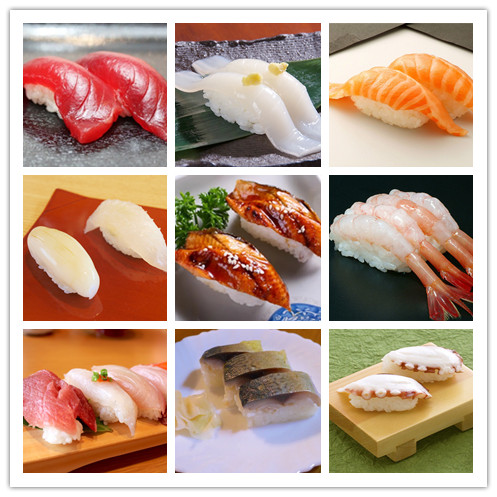
| Common Use Cases | Sushi (unagi nigiri), rice bowls (unadon), and other prepared Japanese dishes. Ideal for high-volume restaurant chains and retail. | Used by specialized restaurants that prepare eel from scratch or by processors manufacturing value-added products. |
| Supply Chain Stage | A value-added, finished good. Procured from a specialized processing facility with food safety certifications (ISO 22000, HACCP). | A raw commodity. Procured from fisheries or aquaculture farms. |
For most international buyers, the product they are seeking is frozen unagi kabayaki. It offers a standardized, safe, and convenient solution that eliminates the significant operational challenges of processing raw eel.
Sourcing Quality Unagi: A Buyer's Checklist
When sourcing frozen unagi kabayaki, not all suppliers are equal. A reliable partner ensures product safety, consistency, and compliance, protecting your business from trade risks. My experience managing quality systems for export has shown that buyers who verify the following points consistently secure a higher quality and more reliable supply. Use this checklist during your supplier evaluation process.
- ☐ Verify Farming Base Registration and Traceability: The quality of the final product begins at the farm. Ask if the supplier's farming bases are customs-registered. This is a non-negotiable for full-chain traceability. At Eelpro, we manage approximately 20 customs-registered eel farms covering over 2,150 mu, allowing us to track our products from farming registration through to final shipment.
- ☐ Confirm Food Safety Certifications: Your supplier must hold internationally recognized certifications. Look for ISO 22000:2018 (Food Safety Management) and HACCP. These are not just logos on a box; they represent a systematic approach to preventing hazards. We also hold HALAL certification and an Export Food Producer Registration Certificate, ensuring broad market access.
- ☐ Assess the Roasting and Glazing Process: The taste and texture of unagi kabayaki are defined by the cooking process. Inquire about the specifics. Our process involves a precise 4-layer application of soy sauce at controlled temperatures. We've even established internal color standards for "white-roasted" and each sauce coating to ensure absolute consistency. Our patented low-fat roasting and deodorizing technologies further refine the final product.
- ☐ Review Export Compliance and Testing Protocols: A supplier's track record in demanding markets is a strong indicator of their quality standards. We ensure our products meet the stringent food inspection standards for Japan, the US, and the EU, particularly for veterinary drug residues and microbiological indicators. This is verified in our professional in-house eel lab, which performs targeted sampling at critical control points.
- ☐ Inquire About Customization and Production Capacity: Your business needs a supplier who can scale and adapt. Discuss options for custom cuts (shreds, dice, slices for sushi) and packaging formats. With an annual production capacity of 4,000 tons across two modern production lines, we can accommodate large-volume orders for catering chains and importers, with flexible MOQ policies depending on the specification.
How Full-Chain Traceability Reduces Your Import Risks
For any food importer, the biggest risks are product recalls, customs rejection, and damage to your brand's reputation. A fully traceable supply chain is your best defense against these threats. It is not just a marketing term; it is a documented system of control points from the farm to the container.
Here’s how our system works to protect our partners:
- Farm Registration and Monitoring: It starts with our network of 19 self-operated and cooperative certified farming bases. Each is registered with customs authorities, meaning they are subject to official oversight and standards for water quality, feed, and animal welfare.
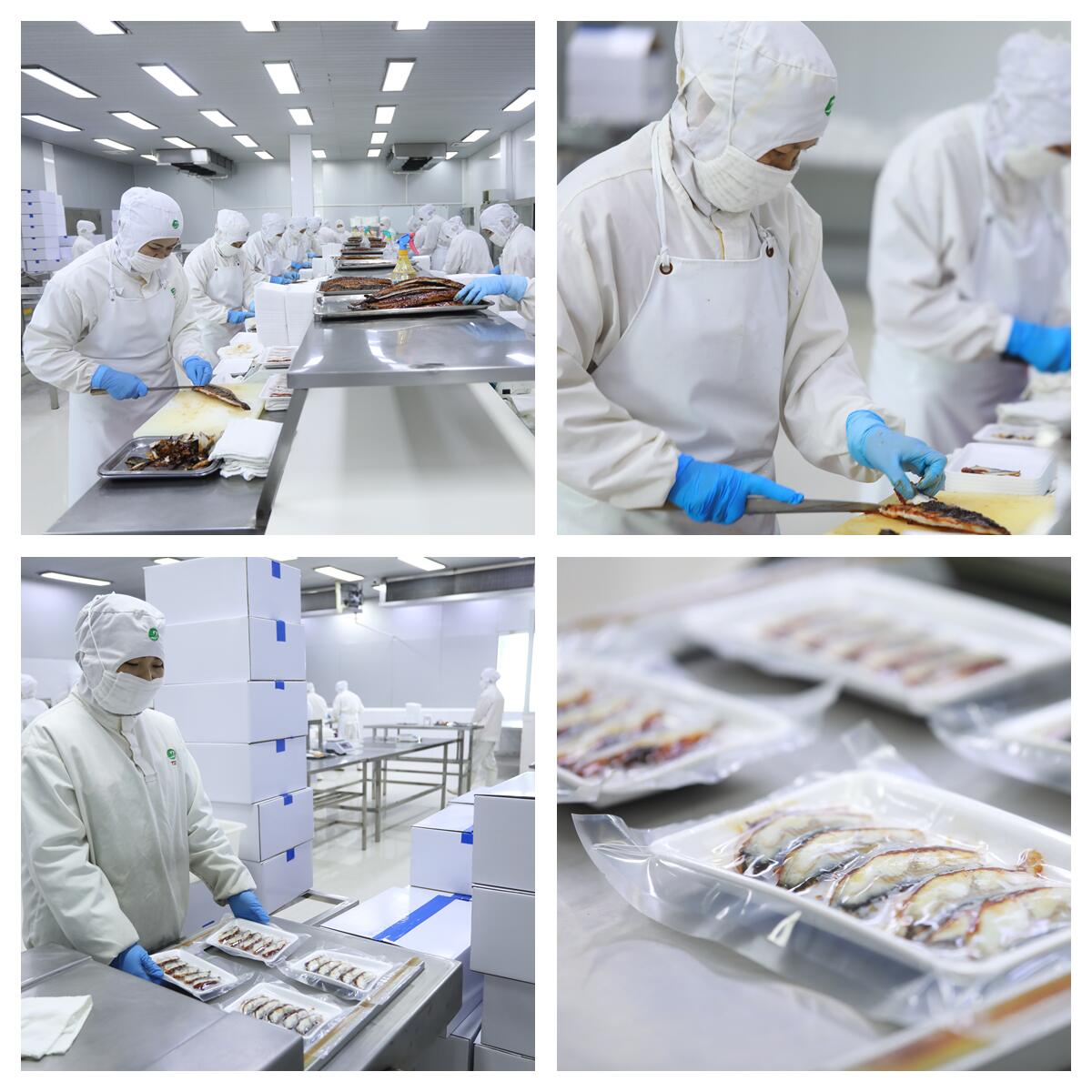
- Raw Material Inspection: Before any eel enters our 8,497 m² production workshop, it undergoes rigorous inspection. We perform targeted sampling to test for prohibited substances and ensure the raw materials meet our high standards.
- In-Process Quality Control: Our 25 technical and quality-control specialists oversee the entire production process. We utilize metal detectors at critical points and adhere strictly to our ISO 22000 and HACCP plans. This controlled environment is where the raw material is transformed into the consistent, safe unagi in English culinary terms.
- Finished Product Verification: Every batch of finished product is tested in our laboratory to confirm it meets the specific import requirements of the destination country, whether it's for our long-term restaurant chain clients in Japan or food importers in Germany and the United States.
- Cold-Chain Management: Once packaged, the product is moved to our 1,000-ton cold storage facility. This ensures that from production to shipment, the product is held at a stable temperature, preserving its quality and safety until it reaches your warehouse.
This end-to-end control means that if a question ever arises, we can trace a specific batch back to its source farm, review all processing records, and provide clear documentation. This level of transparency is essential for building long-term trust and ensuring smooth customs clearance.
The Eelpro Advantage: Capacity, Technology, and Expertise
Choosing a supplier is about more than just the product; it's about the capability and reliability of the partnership. With a facility established in 2019, we combine modern infrastructure with deep industry expertise.
Our 4,000-ton annual production capacity ensures we can handle high-volume, recurring orders for international foodservice distributors and wholesale clients. This scale is supported by a workforce of over 160 employees, including a dedicated quality team that forms the backbone of our operations.
Our commitment to innovation is demonstrated by our patented technologies for low-fat roasting and deodorizing eel. This equipment allows us to produce a cleaner-tasting, more texturally pleasant product that stands out in the market. Combined with our meticulous four-step glazing process, the result is a premium frozen unagi kabayaki that delivers an authentic experience every time. Whether supplying restaurant chains in Southeast Asia or importers in Poland, our focus remains on delivering a safe, delicious, and compliant product.
Ultimately, while the simple answer to "what is unagi in English?" is "freshwater eel," the commercially relevant answer is far more specific. It is a precisely prepared, quality-controlled, and ready-to-use product that requires a specialized and certified supplier to produce correctly.
For detailed specifications on our frozen unagi kabayaki or to discuss your import requirements for the US, EU, or other markets, please contact our team for a consultation and a customized quote.