


What Does Unagi Mean Beyond the Friends TV Myth
Someone watches an old Friends rerun. Ross shouts "Unagi!" and claims it's a state of total awareness. Weeks later, that same person spots "unagi" on a sushi menu and orders it expecting... what, exactly? A feeling? A fight stance?
Here's the short answer: what does unagi mean in actual Japanese is simple — it means freshwater eel. Nothing more mystical than that. The Friends line was a punchline, not a translation.
What Unagi Actually Means in Japanese
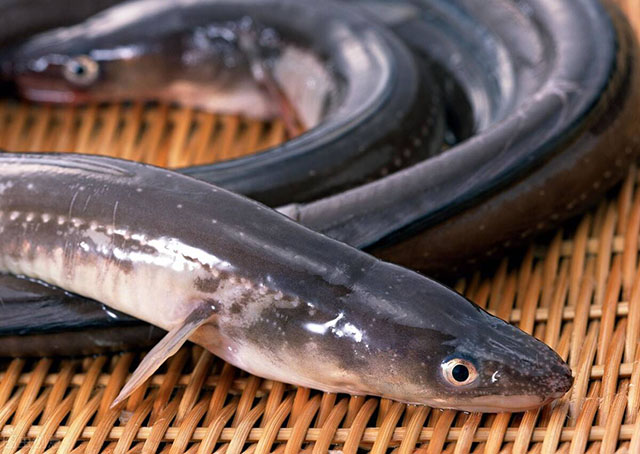
The word 鰻 (unagi) refers specifically to freshwater eel, usually from the genus Anguilla. It's a food word, full stop. Japanese menus separate it clearly from anago, the saltwater conger eel used in different sushi preparations. Mixing the two up is a rookie mistake — anago is leaner, milder, and typically served without the thick soy glaze.
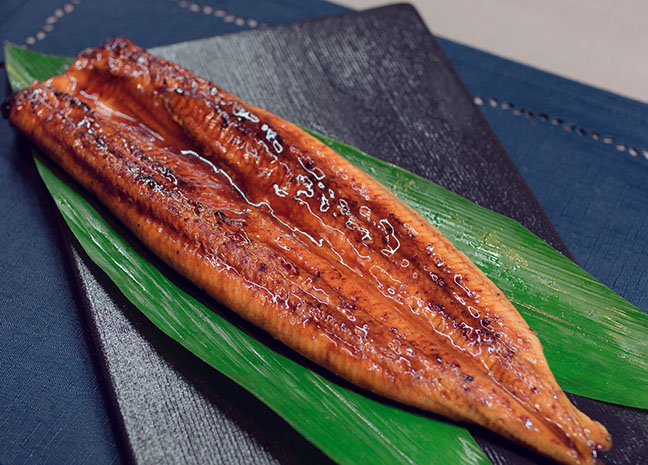
When people say "unagi" at a restaurant, they're almost always talking about kabayaki — eel that's been butterflied, grilled, and basted in a sweet-savory soy sauce glaze called tare. That's the dish most Western diners know as "eel" on a rice bowl (unadon) or in a lacquered box (unaju). If you've ever wondered why restaurant unagi tastes almost caramelized, that's the tare doing its job across repeated basting layers.
For anyone building menus or sourcing product, understanding this distinction matters more than it sounds. A supplier offering frozen unagi kabayaki should be referencing true freshwater eel, roasted and glazed to kabayaki standards — not a generic "eel product" substitute.
Unagi vs Zanshin vs Ura Nage — Why the TV Definition Falls Apart
This is where the Friends myth actually unravels. The show's writers appear to have blended at least two unrelated Japanese words into one fictional meaning. Here's the side-by-side breakdown:
| Term | Japanese | Literal Meaning | Real-World Use |
|---|---|---|---|
| Unagi | 鰻 | Freshwater eel | Food ingredient; kabayaki, unadon, sushi topping |
| Zanshin | 残心 | "Remaining mind," sustained awareness | Martial arts concept — staying alert after a technique is finished |
| Ura nage | 裏投げ | Rear/back throw | A judo and jujutsu throwing technique |
The concept Ross was actually describing — total awareness of your surroundings — is zanshin, a real term used in kendo, aikido, and judo training. It has nothing to do with eel. Ura nage, meanwhile, is a physical throw used to unbalance an opponent backward; it shares no linguistic root with either word. None of the three terms overlap in meaning, spelling, or even word category — one is a noun for a fish, one is a state of mind, one is a combat technique.
So when someone asks what does unagi mean after watching that episode, the honest answer is: it means eel, and the show got it wrong for comic effect. That's fine for sitcom dialogue. It's not fine if you're writing an import spec sheet or a restaurant menu description.
Why Getting the Term Wrong Matters for Buyers and Diners
Word confusion on a sitcom is harmless. Word confusion on a purchase order is not. If "eel" on a supplier spec sheet doesn't specify species, a buyer can end up with conger eel (anago) instead of true freshwater unagi — different texture, different fat content, different price point, and potentially different compliance documentation for import.
Common mistakes we see buyers make when sourcing eel products for foodservice or retail:
- Assuming "eel" always means freshwater eel. Species substitution happens, especially with vague labeling on bulk frozen goods.
- Skipping species and origin verification. A proper supplier should confirm Anguilla species sourcing and link it to registered farming bases.
- Not asking about roast standards. "Kabayaki" should mean a defined soy-sauce coating process — not just any grilled eel with sauce poured on top.
- Overlooking residue and microbiological testing. Japan, US, and EU markets each enforce veterinary drug residue limits; a shipment that passes one market's inspection standard doesn't automatically clear another's.
- Ignoring cold-chain continuity. Frozen roasted eel that thaws and refreezes during transit loses texture and shelf stability, regardless of how good the original product was.
How to Identify Genuine Kabayaki-Grade Unagi When Sourcing
Here's a practical scenario: a US foodservice importer needs frozen unagi kabayaki for a restaurant chain's seasonal menu. Before sending an RFQ, they should run through this checklist:
- Species confirmation — freshwater eel (Anguilla), not conger or substitute species.
- Roasting standard — ask whether the producer follows a defined white-roasted and multi-layer soy-sauce coating process, rather than a single sauce dip.
- Certifications on file — ISO 22000, HACCP, export food producer registration, and HALAL certification where relevant to the target market.
- Cutting specification — skewers, fillets, strips, or sushi slices should match the kitchen's actual prep needs, since boneless, pre-cut product reduces back-of-house labor.
- Lab-backed residue testing — ask for results from an in-house laboratory covering veterinary drug residues and microbiological indicators for the destination market (Japan, US, or EU standards differ).
- Cold storage capacity — a facility with real cold storage tonnage (not just freezer trucks) usually means more stable inventory and fewer temperature excursions before shipment.
- Traceability — ability to trace a batch back to a specific certified farming base, not just a generic "farmed in China" claim.
A quick cost-context note: pricing on frozen kabayaki eel typically varies by cut format and packaging — skin-packaging runs leaner on cost than gift-box retail formats, and bulk skewer orders usually price lower per kilogram than individually portioned cuts. Minimum order quantities also shift depending on whether you're a catering chain, wholesale buyer, or export trader, so it's worth asking a supplier for tiered MOQ options rather than assuming one flat number applies.
Where Supply Chain Standards Actually Show Up in the Product
This is the part menu trivia never covers, but it's the part that actually determines what lands in a kitchen. Eelpro operates two production lines — one for frozen roasted eel, one for deep-processed aquatic products — with a combined annual output of 4,000 tons. That capacity is backed by around 20 customs-registered certified farming bases covering over 2,150 mu, giving full-chain traceability from farm registration through process verification and targeted sampling.
Quality control runs through an in-house lab and metal detectors placed at critical control points, staffed by 25 technical and quality-control specialists out of a workforce of more than 160. Products are produced under ISO 22000:2018, HACCP, HALAL certification, and an SC food production license covering quick-frozen prepared foods. A 1,000-ton cold storage facility keeps product stable through the cold chain, which matters just as much as the roasting process itself — a perfectly glazed eel that thaws incorrectly in transit is still a quality failure by the time it reaches a kitchen.
The roasting side uses a patented low-fat processing and deodorizing method, applied across a four-layer soy-sauce coating process with temperature-controlled steps and defined color standards — from white-roasted through the fourth soy-sauce coating stage. That level of process control is what separates a commodity "eel product" from true kabayaki-grade eel sauce (unagi tare) and roasted eel.
For anyone curious how that tare glaze actually builds its flavor across repeated basting, our breakdown on kabayaki sauce layering explains the process step by step. And if the goal is adapting unagi into home cooking rather than a commercial menu, the unagi ramen guide is a solid starting point for working roasted eel into a different dish format.
Buyer's Quick Reference: Unagi Terminology at a Glance
| If you hear... | It probably means... | Don't confuse it with |
|---|---|---|
| Unagi | Freshwater eel (food) | Zanshin, ura nage |
| Kabayaki | Grilled, soy-glazed eel preparation | Shirayaki (plain white-roasted, unsauced) |
| Tare | The soy-based basting sauce | Teriyaki sauce (similar, not identical) |
| Anago | Saltwater conger eel | Unagi (freshwater) |
Next time a menu, a shipment spec, or a sitcom rerun throws the word around, the answer stays the same: unagi is eel, not awareness, and definitely not a throw. If you're sourcing frozen unagi kabayaki or freshwater eel for a foodservice program and want to confirm species, cutting specs, or certification documents before placing an order, reach out for a spec sheet or sample request — it's a faster way to avoid surprises than guessing from a product label.