


Eel in Japanese Sushi Plays a Different Role Than Unagi's Summer Stamina Dish
Why does the same word — eel — show up grilled and glazed in midsummer, yet also appear thin-sliced and cool on a sushi counter in spring? Most menu descriptions never explain the gap. The short answer: eel in Japanese sushi and the roasted unagi served on hot summer days are not interchangeable dishes, even though both start from a freshwater or saltwater eel. One is a seasonal health ritual. The other is a year-round topping choice. Understanding the boundary helps buyers, chefs, and curious eaters order — and source — the right product.
Unagi's Summer Role vs Eel's Place in Japanese Sushi
In Japan, unagi is tied to a specific calendar date called Doyo no Ushi no Hi, the midsummer Day of the Ox. The custom says eating grilled eel on that day fights heat fatigue and restores stamina — a belief that dates back centuries and still drives a sales spike every July. Sushi counters, by contrast, treat eel as a topping option available any season, prepared differently and often from a different species.
| Aspect | Unagi (Summer Stamina Dish) | Eel in Japanese Sushi (Topping) |
|---|---|---|
| Typical species | Freshwater unagi (Anguilla japonica or farmed substitutes) | Often anago (saltwater conger eel) or kabayaki-style unagi |
| Preparation | Butterflied, skewered, grilled, basted with soy-based glaze in multiple layers | Pre-cooked, simmered or lightly glazed, sliced thin for nigiri |
| Serving occasion | Midsummer (Doyo no Ushi no Hi), year-round in specialty unagi restaurants | Any season, standard sushi bar item |
| Sauce role | Thick, repeatedly basted soy glaze — the centerpiece flavor | Lighter glaze brushed just before serving, sauce is secondary to rice |
| Texture goal | Smoky, caramelized, slightly firm | Soft, almost melting, pairs with vinegared rice |
Here is the boundary in plain terms: if a dish is built around the eel itself — a rice bowl, a skewer, a standalone plate — it is unagi culture. If the eel is one component among rice, nori, and other toppings, that is eel in Japanese sushi territory, and the preparation standard shifts accordingly. Both can use the same grilling technique, but portion size, glaze thickness, and cutting style differ.
Does sushi-grade eel require live eel?
No. Because raw eel is not considered safe or palatable, sushi-grade eel is always pre-cooked first — typically steamed or simmered, then glazed. This is different from raw fish like tuna or salmon nigiri. Frozen frozen unagi kabayaki products are built exactly for this cooked-topping format.
Can the same supplier serve both markets?
Yes, but specifications differ. A supplier producing for summer unagi-don restaurants needs larger cut portions and a thicker soy coating. A supplier feeding sushi counters needs thinner cuts, consistent color grading, and sauce that does not overpower the rice. This is why cutting specification sheets (shredding, strip-cutting, 3-section cut, sushi slices) matter more than a single generic "eel product" listing.
What Buyers Get Wrong When Sourcing Eel for Sushi Menus
Most sourcing mistakes come from treating eel as a commodity rather than a graded product. A few recurring errors:
- Assuming "eel" means one species. Anago (conger) and unagi (freshwater) differ in fat content, texture, and price — menus should specify which one is served.
- Skipping veterinary residue documentation. Importers into the US, EU, and Japan face inspection for antibiotic and drug residues; products without this paperwork get held at customs.
- Ignoring cold-chain continuity. A broken cold chain between factory and foodservice kitchen degrades texture before the eel ever reaches a sushi bar.
- Ordering without checking cutting specification options. Sushi slices, chunk-cuts, and dicing are not interchangeable — confirm the cut before placing a bulk order.
- Overlooking HALAL or ISO certification needs for markets like Indonesia and Southeast Asia, where certification can determine whether a shipment clears distribution at all.
A Buyer's Checklist for Frozen Eel Suppliers
Before signing a purchase order, confirm the following against the supplier's documentation:
- Valid export food producer registration and an active food safety system such as ISO 22000:2018 and HACCP
- HALAL certification, if the destination market requires it
- Traceability back to registered farming bases — Eelpro operates roughly 20 customs-registered bases covering about 2,150 mu, with full-chain tracking from farm registration through sampling
- In-house lab testing and metal detection at critical control points — see our in-house lab testing process for how batches are verified
- Cold storage capacity sufficient to buffer order timing — a 1,000-ton cold storage facility supports steady supply without quality drop during peak season
- Clear MOQ terms by product form — skewers, kabayaki fillets, or cut pieces carry different MOQ tiers for catering chains, wholesalers, and export traders
- Stated lead time — standard orders run around 30 days from confirmation to shipment, adjustable by specification and volume
How Frozen Kabayaki Eel Gets From Farm to Sushi Counter
A practical production sequence, based on how export-grade kabayaki is typically handled:
- Live eel arrives from registered farming bases with verified farming records.
- Eel is cleaned, butterflied, and bone-removed to produce a consistent boneless fillet.
- The fillet is roasted in stages, applying soy sauce in layered coatings — export processors often use a 4-layer soy-sauce coating method with controlled roasting temperature at each step, building what is known internally as "white-roasted color" through to the final coating stage.
- Finished kabayaki is blast-frozen and moved into cold storage, preserving texture until shipment.
- Before plating, kitchens thaw under refrigeration, warm the fillet gently, then cut to the required format — sushi slices for nigiri, chunk-cuts for donburi, or strips for rolls.
- Sauce is brushed or reapplied at serving — this is where eel sauce (unagi tare) quality becomes noticeable, since a thin or overly sweet tare flattens the dish.
Nancy Chen, our food safety specialist and an ISO 22000 auditor, notes that the roasting-and-freezing sequence is where most quality variation between suppliers shows up — not in the raw eel itself, but in how consistently the coating and freezing steps are controlled batch to batch.
Why the Distinction Matters for Restaurant Menu Planning
A restaurant building a summer promotion around unagi-don needs a different purchasing plan than a sushi bar running eel nigiri year-round. The summer dish demands volume spikes around the Day of the Ox period — ordering needs to account for that lead time well ahead of the date. The sushi menu, by comparison, needs steady smaller batches with consistent slice thickness. Mixing up these two demand patterns is a common planning mistake for new foodservice buyers entering the Japanese seafood category.
For reference, this same kabayaki product line supplies restaurant chains in Japan, food importers in the United States, and distributors across Germany, Poland, and the wider EU, where veterinary residue and microbiological standards apply equally to export and domestic batches. Buyers in Australia, Indonesia, and Southeast Asia sourcing for Asian foodservice and retail channels follow the same specification logic — confirm the cut, confirm the certification, confirm the cold chain.
Common Question: Is one preparation "more authentic" than the other?
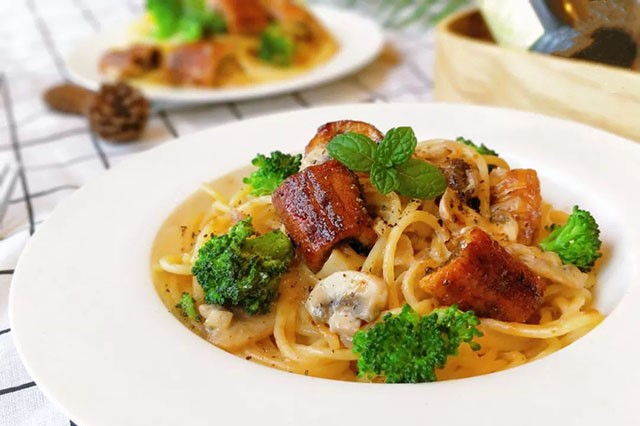
Neither is more authentic — they serve different purposes. Unagi-don is a seasonal comfort dish rooted in a health custom. Eel in Japanese sushi is a technical topping format judged on slice precision, glaze balance, and how well it pairs with vinegared rice. A kitchen that understands both can order the correct cut for each occasion instead of defaulting to one generic eel product.
Buyers planning a menu around either format can review our eel sushi roll recipe for plating ideas, or check kabayaki sauce quality factors before placing a bulk order. For sourcing specification sheets, sample requests, or MOQ details by product form, reach out directly with your target cut and packaging format — our team can confirm lead time and certification documents against your destination market.