


Is Raw Eel Sushi Safe to Eat Before Cooking
A glossy slice of eel over rice can look tempting, especially beside salmon, tuna, and scallops. But raw eel sushi is not considered a safe raw-fish choice. The issue is not only freshness. Eel blood contains naturally occurring toxins, and raw eel also carries the same handling risks associated with other uncooked seafood.
That is why the eel used in most Japanese-style sushi is cooked first. When people ask whether raw eel sushi is safe, they are often comparing it with raw tuna or salmon. That comparison misses a major food-safety difference: eel requires thorough cooking before it should be served.
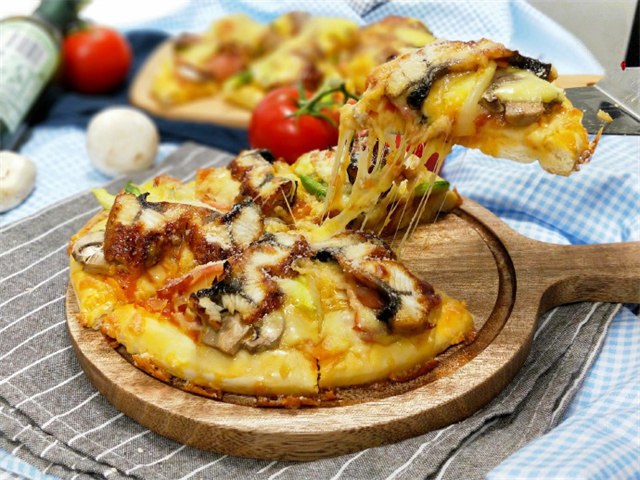
Why raw eel sushi is different from raw tuna or salmon
Freshness matters for every seafood product, but fresh eel is not automatically safe to eat uncooked. Raw eel sushi should not be treated like sashimi-grade tuna, salmon, or scallop. The safety question begins with the biology of the eel itself, then continues through cleaning, cooking, chilling, packaging, and service.
In Japanese cuisine, eel is commonly served as unagi kabayaki: filleted eel that has been grilled, sauced, and cooked before it reaches the sushi counter. A restaurant may serve it on rice as nigiri, inside a roll, or on top of a rice bowl, but it is generally cooked eel rather than raw eel sushi.
This distinction is useful for diners and buyers. If a menu simply says “eel sushi,” ask whether it is cooked unagi, smoked eel, or another prepared eel product. Do not assume that a shiny sauce or a dark grilled surface means the product has been handled safely; confirm that the eel has been fully cooked through an appropriate controlled process.
| Seafood option | Typical serving style | Main buyer or diner question | When it fits |
|---|---|---|---|
| Raw tuna or salmon | Sashimi or nigiri | Was the fish sourced and handled for raw consumption under applicable local requirements? | Raw seafood menus with verified sourcing and controls |
| Cooked unagi | Nigiri, sushi rolls, rice bowls, ramen toppings | Has the eel been properly cooked, chilled, and stored? | Restaurants and homes seeking the classic sweet-savory eel profile |
| Raw eel sushi | Uncooked eel slices | Why is the eel being served raw despite eel blood toxin concerns? | Not a suitable choice for ordinary home or foodservice preparation |
Buyer conclusion: choose cooked eel when purchasing eel for sushi-style service. This fits restaurants, retailers, caterers, and home cooks who want familiar unagi flavor without presenting uncooked eel. It does not mean every cooked eel product is interchangeable; sauce level, cut style, packaging, and reheating instructions still need review.
How eel blood toxins make raw eel unsafe and how cooking changes the safety profile
The main reason raw eel sushi is unsuitable is that eel blood contains naturally occurring protein toxins. These toxins are associated with raw eel blood and tissue contamination during processing. A fillet may look clean and carefully cut, yet raw preparation does not remove the underlying concern.
Thorough cooking changes the safety profile because heat denatures these protein toxins. Put simply, heat changes the structure of the toxin so that it no longer acts in the same way. This is why properly cooked eel is widely used in kabayaki, sushi rolls, rice bowls, and other prepared dishes, while raw eel sushi is not a standard safe serving method.
Cooking also addresses another separate issue: raw seafood can carry microbiological hazards when handling, storage, sanitation, or cross-contamination controls fail. For food buyers, this means that cooking is necessary but should not be the only checkpoint. Farm registration, processing controls, cold storage, packaging integrity, and traceability also matter.
The term foodborne illness covers hazards that can arise from contaminated food. Eel blood toxins are a different concern from bacterial contamination, so a buyer should not rely on one control to solve every problem.
| Safety factor | What it affects in practice | What can go wrong if ignored | Useful action |
|---|---|---|---|
| Eel blood exposure | Potential contact with natural eel toxins during slaughter and filleting | Raw or poorly prepared eel may retain an avoidable safety concern | Use eel that has been processed and thoroughly cooked |
| Cooking process | Denatures heat-sensitive eel blood toxins and reduces microbial hazards | Partial heating may not provide the intended safety change | Follow the supplier’s cooking or reheating instructions and local food rules |
| Cold-chain control | Helps maintain product quality after cooking and freezing | Temperature abuse can damage quality and increase handling risk | Keep frozen products frozen until planned preparation |
| Cross-contamination | Separates raw preparation tools from ready-to-eat food | Cooked eel can be contaminated again after cooking | Use clean utensils, boards, gloves, and food-contact surfaces |
Cold fact: freezing is not a substitute for cooking eel blood toxins. Freezing supports storage and logistics, but it does not replace the heat treatment needed before serving eel. A frozen raw eel fillet is still not a ready-to-eat item simply because it has been held at frozen temperature.
There is no single cooking time or temperature that can responsibly be applied to every eel format without knowing the product thickness, cut, equipment, starting condition, and local regulatory requirements. Do not use an unverified “quick sear” as a safety method for raw eel sushi. Restaurants should use validated procedures appropriate to their equipment and product format. Home cooks should follow the package instructions for cooked frozen eel products.
What diners should ask before ordering eel sushi
For diners, the safest order is usually cooked unagi rather than raw eel sushi. The question is simple: “Is this eel fully cooked?” A clear answer should identify the product as grilled, roasted, kabayaki, smoked, or otherwise cooked.
- Ask whether the eel is cooked. “Eel sushi” normally means cooked unagi, but confirm rather than guessing.
- Check the menu description. Terms such as grilled, roasted, kabayaki, or cooked point toward a prepared eel product.
- Do not rely on sauce color. Dark sauce can cover the surface, but it does not prove the center was properly cooked.
- Be careful with novelty menus. A restaurant offering raw eel sushi should be able to explain its food-safety controls clearly.
- Consider higher-risk diners. People with weakened immune systems, pregnant diners, older adults, and young children should be especially cautious with raw or undercooked seafood.
When this advice applies: it fits ordinary restaurant ordering, home delivery, and sushi-counter purchases. It does not replace medical advice for an individual health condition, and it does not replace local food-service rules for restaurant operators.
If you want the flavor and visual appeal of eel sushi without the uncertainty, cooked unagi nigiri and unakyu rolls are practical choices. For serving ideas, see this eel sushi roll recipe, which uses prepared eel in a familiar sushi format.
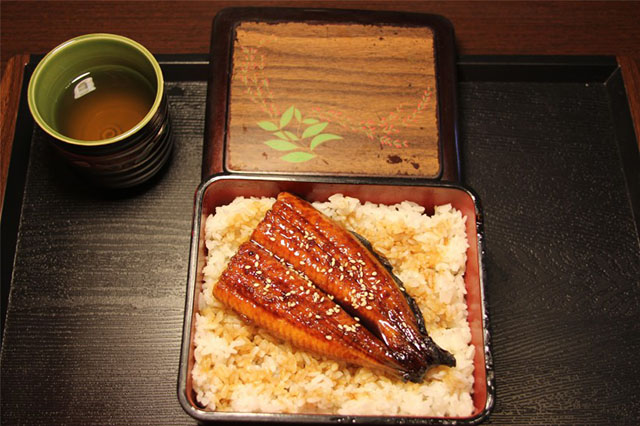
How food buyers can source eel for sushi-style menus
Food buyers should treat raw eel sushi as a product-selection warning, not a menu opportunity. For sushi restaurants, Asian foodservice distributors, and retail buyers, the sensible procurement route is fully cooked frozen unagi kabayaki or another clearly specified cooked eel format.
Eelpro Co., LTD produces frozen roasted eel and deep-processed aquatic products across two modern production lines with an annual finished-goods capacity of 4,000 tons. The company holds ISO 22000:2018, HACCP, HALAL certification, export food producer registration, and an SC Food Production License covering quick-frozen prepared foods.
Its supply chain includes approximately 20 customs-registered eel farming bases covering more than 2,150 mu, with traceability controls from farm registration through processing verification, targeted sampling, and shipment tracking. An in-house laboratory and metal detectors at control points support product checks. These controls do not make raw eel sushi appropriate, but they help buyers evaluate cooked eel supply with greater discipline.
The company’s frozen unagi kabayaki uses a four-layer soy-sauce coating process and patented low-fat roasting and deodorizing technology. Buyers can discuss white-roasted skewers, kabayaki eel, cut pieces, and packing options based on the intended menu. For product details, review the unagi kabayaki range.
A practical purchasing checklist for cooked eel
- Define the menu use. Specify whether the eel will be used for nigiri, sushi rolls, rice bowls, bento, ramen, or catering trays.
- Confirm the preparation state. State clearly that the item must be cooked and ready for reheating or final finishing, not intended as raw eel sushi.
- Request the cut format. Options may include sushi slices, strip-cutting, dicing, chunk-cutting, shredding, or three-section cuts.
- Check packaging needs. Consider skin packaging, gift boxes, foodservice packs, and the storage needs of your distribution channel.
- Review traceability documents. Ask how the supplier tracks farms, batches, process verification, and shipment records.
- Confirm destination requirements. Import rules differ by market. Buyers serving Japan, the United States, Germany, Poland, the European Union, Australia, Indonesia, or Southeast Asia should confirm the applicable local requirements before purchase.
- Plan the cold chain. Confirm frozen storage capacity, receiving procedures, and who is responsible for temperature control after shipment.
This checklist fits professional buyers who need a repeatable approval process. It does not replace a buyer’s own import review, label review, or destination-market compliance work. Eelpro has supplied kabayaki eel to Japanese restaurant chains and exported unagi kabayaki and eel sauce to United States importers, while also supplying eel products to importers and foodservice channels in Germany, Poland, Australia, Indonesia, and other Southeast Asian markets.
For buyers assessing process control, eel laboratory quality controls can provide useful context alongside product specifications. For finished dishes, cooked eel can be paired with sweet-savory tare; see the available eel sauce options for foodservice use.
Common mistakes that make eel service less safe
The biggest mistake is assuming that raw eel sushi is safe because other sushi fish can be served raw. Eel needs its own handling decision. Here are the errors to avoid.
- Mistake: Treating eel as ordinary sashimi.
Why it fails: raw eel blood toxins create a different hazard profile. Better approach: select fully cooked eel for sushi-style dishes. - Mistake: Trusting appearance alone.
Why it fails: a clean fillet, glossy sauce, or dark exterior does not verify cooking through the product. Better approach: use documented cooked products and follow preparation instructions. - Mistake: Using freezing as the only control.
Why it fails: freezing supports preservation but does not replace thorough cooking for eel toxin concerns. Better approach: cook first, then maintain the cold chain as required. - Mistake: Mixing raw-eel tools with cooked food.
Why it fails: cooked food can be contaminated after cooking. Better approach: separate utensils and sanitize food-contact surfaces. - Mistake: Buying without a defined application.
Why it fails: a whole grilled eel, sushi slice, diced cut, and shredded eel serve different menu needs. Better approach: specify the final dish before requesting samples or quotations.
Bottom line: raw eel sushi is not a safe choice for routine home or restaurant service. Choose properly cooked eel, preserve cold-chain control, and ask clear sourcing questions. For a sushi-friendly cooked alternative, request product specifications or a sample of frozen unagi kabayaki suited to your menu.