


Why Eel in Japanese Sushi Often Means Anago in Tokyo
You sit at a Tokyo sushi counter, see “eel” on the menu, and expect glossy grilled unagi. Then a chef places a pale, tender piece of fish brushed with a light sauce over rice. That surprise is the key question behind eel in Japanese sushi: why does Tokyo often favor anago instead of unagi?
The short answer is tradition, local seafood history, texture, and cooking method. In classic Tokyo-style sushi, anago is valued for its soft bite and lightly sweet simmered finish. Unagi remains beloved across Japan, especially as kabayaki over rice, but it plays a different role on many sushi menus.
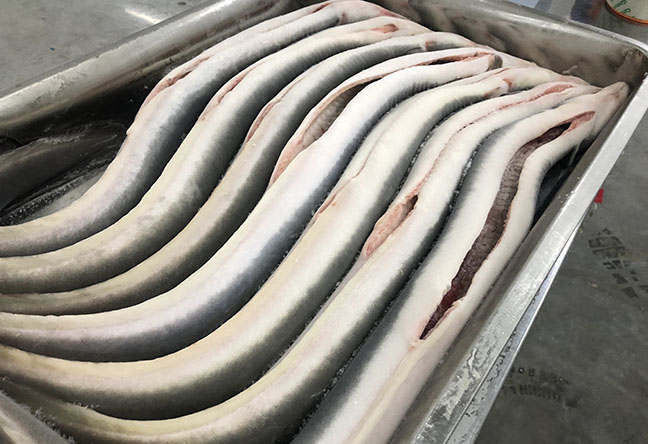
Know the Two Eels Before You Order
Japanese menus may translate both fish as “eel,” but anago and unagi are not interchangeable. Understanding this difference makes ordering eel in Japanese sushi much easier, especially when a menu offers both nigiri and grilled dishes.
Conger eel, called anago in Japanese, is generally a marine eel. It has long been associated with coastal waters and Tokyo Bay seafood culture. Unagi is freshwater eel. It is richer, fattier, and commonly prepared as kabayaki: grilled, steamed in many regional styles, glazed with tare, and grilled again.
| Menu term | Typical English meaning | Usual flavor and texture | Common serving style | Best choice for |
|---|---|---|---|---|
| Anago | Conger eel | Light, soft, delicate, mildly sweet | Simmered, steamed, lightly sauced nigiri | Traditional Tokyo-style sushi tasting |
| Unagi | Freshwater eel | Richer, fuller-bodied, more pronounced fat | Kabayaki, rice bowls, rolls, grilled sushi | A bold grilled eel flavor |
The practical takeaway is simple. Choose anago when you want a gentle finish in a sequence of nigiri. Choose unagi when you want the deep, caramelized character associated with grilled eel. Both can appear as eel in Japanese sushi, but the diner experience is noticeably different.
This distinction also explains why a restaurant may serve anago as a final sushi course but offer unagi separately as a rice bowl. The chef is not simply substituting one eel for another. Each ingredient is being used for a different culinary purpose.
Compare Edo-Style Sushi Traditions, Habitat, and Preparation Methods
The reason anago is favored in Tokyo sushi becomes clearer when tradition, habitat, and preparation are viewed together. Edo-style sushi developed in the area now known as Tokyo, where seafood from Tokyo Bay became central to the style. Anago fit that local seafood culture well.
For diners, this matters because eel in Japanese sushi is not selected only for flavor. It is also selected for how it works with warm vinegared rice, hand-formed nigiri, and the order of a sushi meal.
| Parameter | Anago in Edo-style sushi | Unagi in kabayaki-focused cooking | What it affects in practice |
|---|---|---|---|
| Traditional association | Connected with Tokyo Bay and Edomae sushi culture | Widely enjoyed throughout Japan in grilled eel dishes | A traditional Tokyo sushi counter may feature anago more prominently |
| Habitat | Marine and coastal environment | Freshwater eel | Historic local availability influenced the seafood used by Edo chefs |
| Fat level | Generally lighter eating experience | Generally richer and fattier | Anago can finish a sushi meal without dominating earlier fish courses |
| Preparation | Often simmered until soft, then brushed with a restrained sauce | Often grilled as kabayaki with repeated tare glazing | Simmering highlights tenderness; grilling builds smoky, sweet-savory intensity |
| Rice pairing | Soft flesh blends gently with seasoned sushi rice | Stronger glaze can become the main flavor | Anago suits a chef-led nigiri progression; unagi suits a more filling course |
The conclusion is not that unagi is inferior. It is that traditional Edo-style sushi values balance. Anago’s tenderness, subtle sweetness, and simmered finish suit that goal particularly well. Unagi does not disappear from Tokyo menus; it simply tends to appear in a different format.
If a diner expects the smoky lacquered taste of grilled eel and orders anago nigiri instead, the result may feel unexpectedly mild. That is not a quality problem. It is a mismatch between the dish ordered and the flavor expected. For a classic grilled option, look for unagi kabayaki or words such as kabayaki, grilled eel, or eel rice bowl.
Why Preparation Changes the Taste More Than Many Diners Expect
The preparation method is the biggest practical difference after species. Anago is often cooked gently until the flesh becomes tender enough to almost melt into the rice. A chef may brush it with a light sweet sauce, but the fish should remain the focus.
Unagi is usually associated with a more assertive process. The fish is grilled and coated with a sweet-savory tare. Heat, sauce, and repeated grilling create the dark surface and rich aroma people often picture when they think of eel in Japanese sushi.
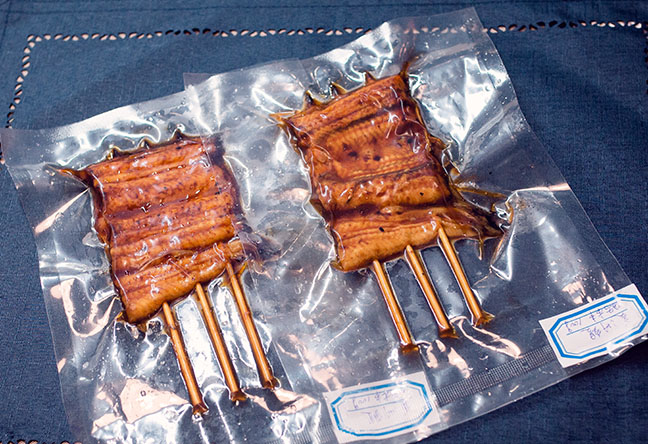
At Eelpro, our frozen roasted eel uses a four-layer soy-sauce coating process with controlled roasting stages. We have established color standards from white-roasted eel through the first to fourth sauce-coating stages. This type of process is designed for kabayaki-style products, where glaze coverage and roasted character are part of the expected result.
That makes frozen kabayaki useful for restaurants that want consistent grilled eel flavor in rolls, donburi, bento, or warm appetizer dishes. It is not intended to imitate a traditional simmered anago nigiri. The two preparations should be treated as separate menu choices.
A useful ordering rule
- Order anago when you want a soft, refined nigiri with a lighter finish.
- Order unagi when you want grilled aroma, sweet-savory glaze, and a richer bite.
- Order both when the menu offers them and you want to compare traditional Tokyo sushi with kabayaki-style eel.
- Ask the chef how it is prepared if the menu says only “eel.” This avoids assuming that all eel in Japanese sushi is grilled unagi.
For home cooks, sauce makes a major difference. A thick, sweet tare suits grilled unagi but can overpower delicate fish. If you are adjusting a glaze, see this guide on kabayaki sauce recipe: fix flavor mistakes before adding more sugar or soy sauce.
Common Menu Mistakes When Choosing Eel at a Sushi Restaurant
A little menu knowledge prevents disappointment. The following mistakes happen often because English descriptions may simplify several distinct Japanese dishes into the single word “eel.”
- Mistake: Assuming anago is always grilled.
Why it happens: diners connect eel with kabayaki. What to do instead: ask whether the anago is simmered, steamed, grilled, or sauced. Simmered anago is the more traditional choice for many Edomae-style counters. - Mistake: Expecting unagi nigiri to taste like anago nigiri.
Why it happens: both may be listed under eel in Japanese sushi. What to do instead: expect unagi to be richer and more sauce-forward. Choose it when you want a stronger final bite. - Mistake: Ordering by appearance alone.
Why it happens: both may arrive brushed with sauce. What to do instead: read the Japanese name. “Anago” means conger eel, while “unagi” means freshwater eel. - Mistake: Adding extra sauce before tasting.
Why it happens: diners expect a sweet barbecue-style glaze. What to do instead: take the first bite as served. The chef may have balanced the sauce amount for the rice and fish. - Mistake: Treating anago as a lesser substitute.
Why it happens: unagi has wider international recognition. What to do instead: judge each preparation on its intended style. A fine anago nigiri should be tender, warm, and balanced rather than heavily charred.
Here is a useful food fact: in traditional sushi service, anago may be placed near the end because its soft, sweet profile creates a calm finish after lean and oily fish. It is not a hard rule for every restaurant, but it shows why chefs think about sequence as well as ingredients.
Use This Checklist When Reading an Eel Sushi Menu
Whether you are trying eel in Japanese sushi for the first time or choosing dishes for a group, use this quick checklist before ordering.
- Find the Japanese name. Look specifically for anago or unagi, not only the English word “eel.”
- Match the preparation to your preference. Pick simmered anago for delicacy; choose grilled kabayaki unagi for fuller roasted flavor.
- Consider the format. Nigiri highlights texture. Rolls often combine eel with cucumber, avocado, sesame, or sauce. Rice bowls make unagi more substantial.
- Check whether the item is warm. Many restaurants serve anago slightly warm to emphasize its soft texture. Cold service may feel firmer and less fragrant.
- Ask about bones when needed. Properly prepared sushi eel should be easy to eat, but preparation standards vary by restaurant and product format.
- Choose sauce carefully. More sauce is not automatically better. A restrained brush suits anago, while unagi kabayaki generally carries a bolder tare profile.
If you enjoy rolls rather than nigiri, an unakyu-style combination of unagi and cucumber offers a familiar entry point. This eel sushi roll recipe: make unakyu maki explains the format and flavor pairing.
When Frozen Unagi Makes Sense for Restaurants and Home Menus
Traditional anago sushi is usually best experienced at a specialist counter where the chef controls the simmering and final brush of sauce. Frozen unagi, however, is often the more practical option for restaurant menus and home meals that need a consistent grilled eel format.
Eelpro supplies frozen unagi kabayaki, eel sauce, frozen seafood, and freshwater eel products. Our facility is certified to ISO 22000:2018, HACCP, and HALAL requirements, with export food producer registration and an SC Food Production License. We operate two modern production lines with annual finished-goods capacity of 4,000 tons, supported by a 1,000-ton cold storage facility.
For foodservice buyers, the relevant point is consistency. Standardized cutting and ready-to-heat packaging can reduce back-of-house preparation for dishes built around grilled eel in Japanese sushi, rice bowls, and bento. This is most useful for restaurants that need repeatable portions. It does not replace the hand-crafted character of a specialist anago sushi course.
Our supply chain includes approximately 20 customs-registered eel farming bases covering more than 2,150 mu, with traceability from farming registration through process verification and shipment tracking. Our in-house laboratory and metal detectors support quality control at critical points. These systems are relevant for importers and restaurant groups seeking frozen unagi for Japan, the United States, the European Union, Australia, Indonesia, and Southeast Asian markets.
For a closer look at sauce options for grilled eel dishes, visit our eel sauce product page. A well-matched tare should support the roasted eel rather than bury its natural flavor.
If you are choosing between anago and unagi for a menu, request selection advice or a product specification for frozen kabayaki eel.