


Does Unagi Define Japanese Eel Exactly on Every Menu?
A glossy eel fillet arrives over hot rice, brushed with a sweet soy glaze. The menu says “unagi.” But is it always Japanese eel, or can the word mean something broader? That is the confusion behind the search unagi define, and the short answer is: not always.
In Japanese food culture, unagi usually points to freshwater eel prepared in a Japanese style. In precise species language, however, “unagi” does not automatically prove that a product is Anguilla japonica, commonly called Japanese eel. Restaurant menus, retail labels, and supplier catalogs may use the term differently depending on local labeling practice, culinary context, and the species actually sourced.
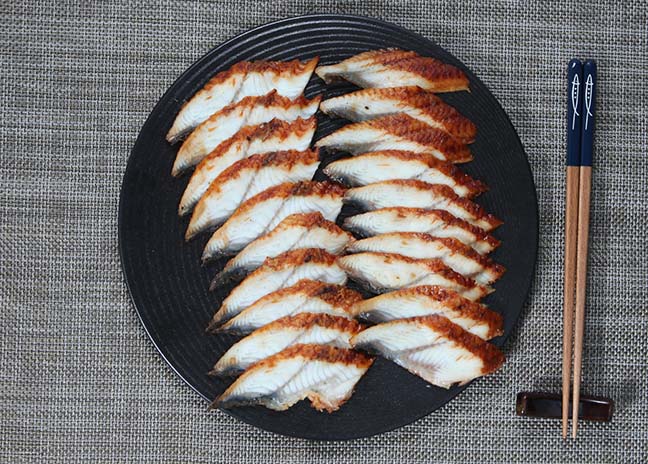
This matters if you are choosing frozen eel for a home dinner, ordering at a Japanese restaurant, or sourcing products for retail and foodservice. A menu word describes the eating experience. A scientific name identifies the animal. Those are related, but they are not identical.
Why restaurant menus can make the answer look simpler than it is
The practical conclusion is straightforward: treat “unagi” as a culinary description first, then check the product label or ask the seller if species identity matters. The word is useful for telling diners what style of dish to expect, especially grilled eel over rice, but it is not always a full species declaration.
When people ask unagi define, they often expect one fixed answer. Japanese menus usually use unagi to mean freshwater eel, particularly in dishes such as kabayaki, shirayaki, unadon, and unaju. The term sits comfortably beside the aroma of charcoal-style grilling, lacquered sauce, and soft eel served with rice. Yet a menu rarely has room for a Latin species name, farming origin, processing format, or traceability details.
This is normal in foodservice. “Salmon,” “shrimp,” and “tuna” can also appear as broad menu names while the exact species is listed elsewhere, if it is listed at all. The same principle applies here.
- For a restaurant meal: “unagi” usually tells you the dish style and main ingredient. Ask about the species only if that detail affects your preference, dietary requirement, sourcing policy, or purchase decision.
- For packaged food: look for the species name, ingredients list, country-of-origin information where required, and storage instructions. This is a better basis for comparison than the front-label word alone.
- For a wholesale order: request a product specification sheet. The specification should distinguish the species, cut, glazing or sauce format, packaging, and intended use.
The limit is equally clear. A seller should not present the word “unagi” alone as proof of a particular species if the supporting product documents do not identify it.
Frequently asked questions about unagi, freshwater eel, and Anguilla japonica
This section answers the exact boundary that many searchers mean when they type unagi define. The three expressions overlap, but each has a different job.
| Term | What it means | Best use | What it does not prove |
|---|---|---|---|
| Unagi | A Japanese culinary term generally associated with freshwater eel and Japanese eel dishes. | Menus, recipes, and prepared-food descriptions such as unagi kabayaki. | It does not by itself confirm one scientific species. |
| Freshwater eel | A broad common category for eels associated with freshwater habitats, including species within the Anguilla genus. | General product grouping and everyday conversation. | It does not mean every freshwater eel is Japanese eel. |
| Anguilla japonica | The scientific name for Japanese eel. | Species-level specifications, traceability records, and technical product documents. | It does not describe a cooking method, sauce, or finished dish style. |
Does unagi always mean Anguilla japonica?
No. In a Japanese-language culinary setting, unagi often refers to Japanese eel in common use. But “often” is not the same as “always.” A precise answer to unagi define must separate cultural usage from scientific identification. If you need certainty, rely on the species name in the product documentation rather than a menu heading.
Is every freshwater eel unagi?
No. “Freshwater eel” is the wider category. Japanese eel is one freshwater eel species, but the category includes other species. Calling all freshwater eel “Japanese eel” would be inaccurate. This distinction is especially relevant for importers, retailers, and menu developers who need correct specifications.
Can a product be called unagi kabayaki without being Japanese eel?
Kabayaki describes a Japanese preparation: eel is split, grilled, and repeatedly coated with a sweet soy-based sauce. The phrase signals a style of finished product. It does not replace a species declaration. When reviewing a frozen item, ask for both the species information and the processing description. You can see an example of the prepared style on our unagi kabayaki product page.
Why does this distinction matter for buyers?
It matters because species, flavor expectations, supply documentation, and market requirements may differ. For a family meal, the main question may be taste and preparation. For a food importer, a restaurant group, or a distributor, the correct answer to unagi define must include product identity and supporting records.
How to check an eel product label before buying
The best buying method is to check the label in a set order. Start with the species if you need a species-specific purchase, then move to format and preparation. This works for supermarket packs, online listings, and supplier quotations. It does not replace local import rules or a buyer’s own compliance review.
- Read the product name. Look for terms such as unagi, kabayaki, grilled eel, roasted eel, or freshwater eel. This tells you the commercial presentation, not necessarily the full species identity.
- Find the scientific or species declaration. If your requirement is Japanese eel, seek Anguilla japonica in the specification or label documentation. This is the clearest response to the question unagi define for a species-sensitive purchase.
- Check whether sauce is included. Kabayaki is normally associated with a sauce-coated finish. Some products are sold with sauce, while others need separate unagi tare. Compare the ingredient list rather than assuming every grilled eel pack tastes the same.
- Confirm the cut and serving use. Whole fillets, cut pieces, sushi slices, strips, diced eel, and shredded eel serve different menus. A rice bowl line may need portioned cuts; sushi production may need consistent slices.
- Review frozen storage and preparation instructions. Follow the pack directions. A frozen cooked product may be ready to heat, but that does not mean every brand uses the same heating method or time.
- Ask for supporting records for commercial orders. Importers should request specifications, ingredient declarations, lot traceability information, and applicable food-safety documents before confirming a purchase order.
For buyers comparing sauce formats, our eel sauce page explains the product category used with eel dishes. Sauce is a major flavor factor, but it should never be used to guess the species of eel underneath.
Common mistakes when people try to define unagi
The safest conclusion is that one word cannot answer every product question. These mistakes are easy to avoid once you separate cuisine, species, and processing method.
- Mistake: assuming unagi means saltwater eel.
Unagi is generally associated with freshwater eel in Japanese cuisine. The correction is simple: distinguish unagi from other eel categories before comparing recipes or products. - Mistake: assuming every unagi label confirms Japanese eel.
A culinary label may not name the species. For a precise unagi define answer, request the scientific name or technical specification. - Mistake: treating kabayaki as a species.
Kabayaki is a preparation style. It refers to grilling and sauce application, not the Latin name of the eel. - Mistake: judging quality only by sauce color.
A dark shine can look tempting, but it does not reveal species, raw-material controls, or processing details. Check the supplier’s documents and product format. - Mistake: expecting every frozen eel to be boneless in the same way.
Deboning and cutting specifications differ. Ask whether the item is boneless or deboned, and confirm the intended serving use before ordering.
Food fact: “Unagi” is often used like a dish name in everyday conversation, especially when someone says they are craving unagi over rice. That familiar use is why the species question can disappear until a shopper compares labels side by side.
What kabayaki processing tells you and what it cannot tell you
Kabayaki can tell you a great deal about eating style. It usually suggests grilled eel with a sweet-savory soy-based glaze, designed for rice bowls, sushi, bento, or warm small plates. It cannot, by itself, settle the question unagi define at species level.
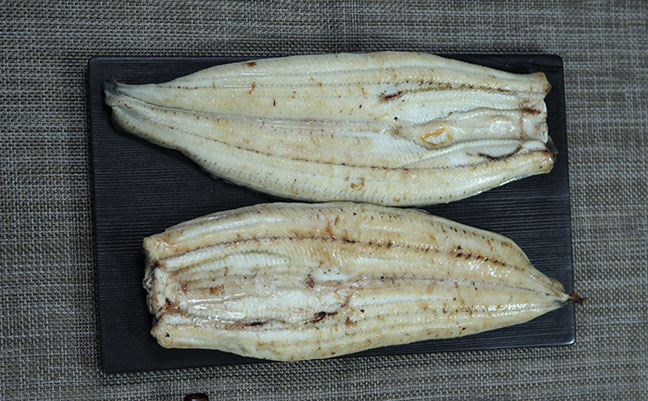
Eelpro produces frozen roasted eel using a four-layer soy-sauce coating process with controlled temperature steps. We establish visual standards from white-roasted color through the first to fourth sauce-coating colors. This helps maintain a consistent prepared appearance and flavor direction. It does not mean every eel product on the market follows the same process.
For home cooks, kabayaki is convenient because it reduces preparation work. For foodservice teams, standardized cuts and ready-to-heat packaging can reduce back-of-house handling. The limit is menu fit: a sauce-coated kabayaki fillet may not suit a dish that calls for plain grilled eel or a different seasoning profile.
If you want to understand why glaze matters, see kabayaki sauce as part of the finished eel experience. For serving ideas, an eel rice bowl toppings guide can help turn a prepared fillet into a more complete meal.
When species precision matters most for sourcing
For casual dining, a clear menu description may be enough. For commercial purchasing, precision becomes more important. The conclusion is to specify the species requirement in writing whenever it affects your market, customer promise, or import documentation.
| Buying situation | What to ask for | Why it fits | Limit |
|---|---|---|---|
| Home meal purchase | Cooking format, sauce inclusion, storage instructions, and portion style. | These points affect convenience and serving results. | They may not identify the exact species. |
| Restaurant menu development | Species declaration, cut specification, flavor profile, and preparation method. | These details support accurate menu wording and repeatable plating. | Final menu claims should follow local labeling rules. |
| Importer or distributor sourcing | Species records, traceability, food-safety documentation, packaging specification, and shipment requirements. | These records help assess compliance and product consistency. | Buyers must still verify requirements for their destination market. |
Eelpro operates with ISO 22000:2018, HACCP, HALAL certification, export food producer registration, and an SC Food Production License covering quick-frozen prepared foods. Our supply chain includes approximately 20 customs-registered eel farming bases covering 2,150 mu, with traceability control from farming registration through processing verification and shipment tracking. These controls support documented sourcing. They do not remove the buyer’s responsibility to confirm country-specific import requirements.
Our frozen roasted eel and deep-processed aquatic product lines have an annual finished-goods capacity of 4,000 tons, supported by 1,000-ton cold storage. Regular orders are generally delivered in approximately 30 days from order confirmation to shipment, subject to specification and quantity. Japan, the United States, Germany, Poland, Australia, Indonesia, and Southeast Asian markets are among the destinations and channels referenced in our customer supply experience. That history is useful context, not a promise that every order has identical terms.
So, how should you answer unagi define in one clean sentence? Unagi is a Japanese culinary term usually associated with freshwater eel dishes, while Anguilla japonica is the specific scientific name for Japanese eel. Check the specification whenever the species itself matters.
Request a product specification or sample if you need help matching an eel format to your menu or sourcing requirement.