





Sustainable eel sourcing is a topic that comes up frequently among restaurant buyers and importers who serve eel dishes. Unlike farmed salmon or shrimp, where the supply chain is well understood, eel farming depends on a wild resource that most people never see: glass eels. These tiny, transparent juvenile eels are caught in estuaries and rivers, then raised to market size in freshwater ponds. Because eels do not reliably reproduce in captivity, every farmed eel starts its life in the wild. This makes sustainable eel sourcing more about responsible wild catch management and efficient farming practices than about captive breeding programs.
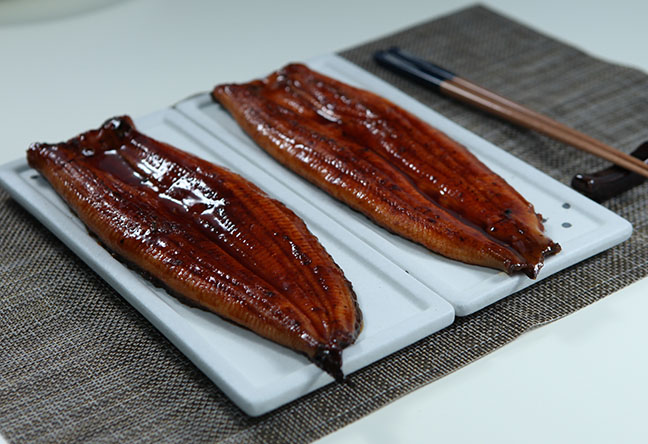
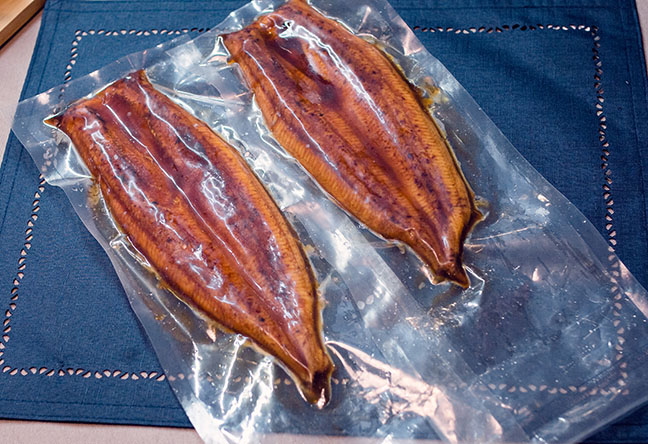
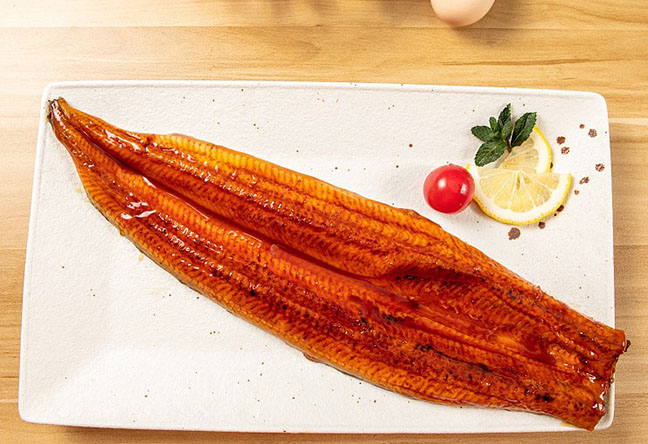
At Eelpro, we supply unagi kabayaki and other eel products to buyers worldwide. We believe transparency about how eels are sourced helps customers make informed decisions.
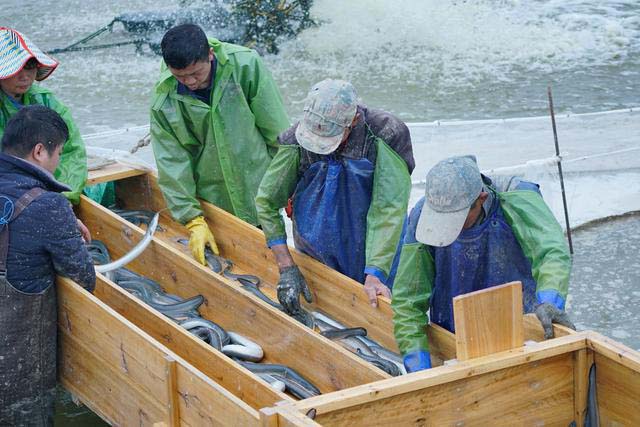
Eel farming begins with glass eels. Fishermen catch them as they migrate from the ocean into freshwater rivers and estuaries, primarily along the coasts of East Asia. These glass eels, each about five to six centimeters long and nearly transparent, are sold to eel farms. Once at the farm, they are raised in controlled freshwater ponds or indoor tank systems and fed formulated diets over a period of six to eighteen months until they reach market weight.
This dependency on wild-caught glass eels is the central issue in responsible eel procurement. Glass eel populations fluctuate year to year based on ocean conditions, river access, and fishing pressure. When glass eel catches are low, prices spike and farms produce less. When catches are high, production rebounds. The system is tied directly to the health of wild eel populations.
The three main species farmed for the global market are the Japanese eel, known scientifically as Anguilla japonica, the European eel, Anguilla anguilla, and the American eel, Anguilla rostrata. Japanese eel farming is concentrated in China, Japan, South Korea, and Taiwan. European eel farming occurs mainly in China using imported glass eels. Each species faces different regulatory and conservation conditions.
Sustainable eel sourcing does not mean "no impact." It means managing impact within limits that allow wild populations to persist and, where possible, recover. Here are the practical factors that buyers can look at when evaluating an eel supplier.
Legal glass eel trade. Glass eel fishing and export are regulated under national laws and international agreements, including CITES for the European eel. A supplier operating within these legal frameworks is following the baseline rules. Buyers can ask for documentation showing that glass eels were sourced legally and that export permits were obtained where required.
Farm efficiency. Better farming practices reduce the number of glass eels needed per ton of market-sized eel produced. Higher survival rates from glass eel to harvest, better feed conversion ratios, and lower disease losses all mean fewer wild juveniles are taken to produce the same amount of finished product. Farms that invest in water quality management, disease prevention, and nutrition produce more output from fewer inputs.
Traceability. A supplier who can trace products back to specific farms, and ideally to specific glass eel lots, demonstrates a supply chain that someone is watching. Traceability does not by itself guarantee sustainability, but its absence makes it hard to know what you are buying. For responsible procurement to mean anything, buyers need to know where their eels came from.
The Japanese eel is listed as endangered on the IUCN Red List, a designation that reflects declining population trends over past decades. This status does not mean the species faces immediate extinction, but it signals that wild populations are under pressure and that current levels of exploitation may not be sustainable over the long term.
Glass eel catches for Japanese eel have declined from peaks in the 1960s and 1970s. However, catches in recent years have stabilized at lower levels, helped in part by catch limits and seasonal closures in several countries. The picture is mixed: some years bring higher glass eel recruitment, others bring low numbers that strain both wild populations and farm output.
The European eel is also listed as critically endangered and is subject to stricter trade controls under CITES. Imports of European eel products into some markets face additional restrictions. Buyers serving European customers should confirm the species and origin of their eel products, as regulations differ between Japanese eel and European eel.
Buyers who want to practice sustainable eel sourcing should ask suppliers direct questions. Here are the ones that produce useful answers:
What species is this eel, and where was it farmed? The species determines which regulations apply. Country of farming indicates which food safety and environmental standards governed production.
Where do your glass eels come from? The answer should name a country or region. A supplier who cannot answer this question or gives a vague response may not have visibility into their own supply chain.
What certifications or audit reports can you share? HACCP, BRC, or local food safety certifications indicate third-party oversight of the processing facility. Environmental certifications specific to eel farming are less common than for other aquaculture species, but buyers can still ask about farming practices and request documentation where it exists.
Can you provide product traceability? A batch or lot code system that links finished fillets back to a specific farm and harvest window shows that the supplier tracks what they sell. This is basic supply chain management and should be standard for any exporter serving international markets.
We encourage buyers of eel sauce and related products to ask these same questions of their suppliers. Knowing the origin of the eel that went into kabayaki sauce production matters as much as knowing the origin of the fillets themselves.
Restaurant groups, importers, and food distributors who buy eel in volume can influence the supply chain. When buyers ask for documentation, farms and exporters have a reason to provide it. When buyers choose suppliers who demonstrate transparency, other suppliers see the commercial value of doing the same.
Sustainable eel sourcing is not about finding a perfect product. It is about choosing suppliers who show they understand where their eels come from and who operate within the legal and regulatory frameworks that govern the trade. For more information about our products and sourcing practices, or to explore eel recipes for your menu, contact us at Eelpro.

 WhatsApp
 sales@chinaeels.com
 +8619937922411