

Frozen Unagi for Restaurants: How to Source and Serve Kabayaki Eel

Frozen unagi for restaurants offers a practical way to add Japanese grilled eel to your menu without the labor of handling raw eel from scratch. Unlike fresh eel, which requires cleaning, deboning, skewering, and grilling, frozen unagi kabayaki comes pre-grilled and pre-sauced. The kitchen simply needs to reheat and serve. For restaurants looking to expand their Japanese offerings or add a high-margin protein to the menu, this product is worth a closer look.
What Is Frozen Unagi Kabayaki?
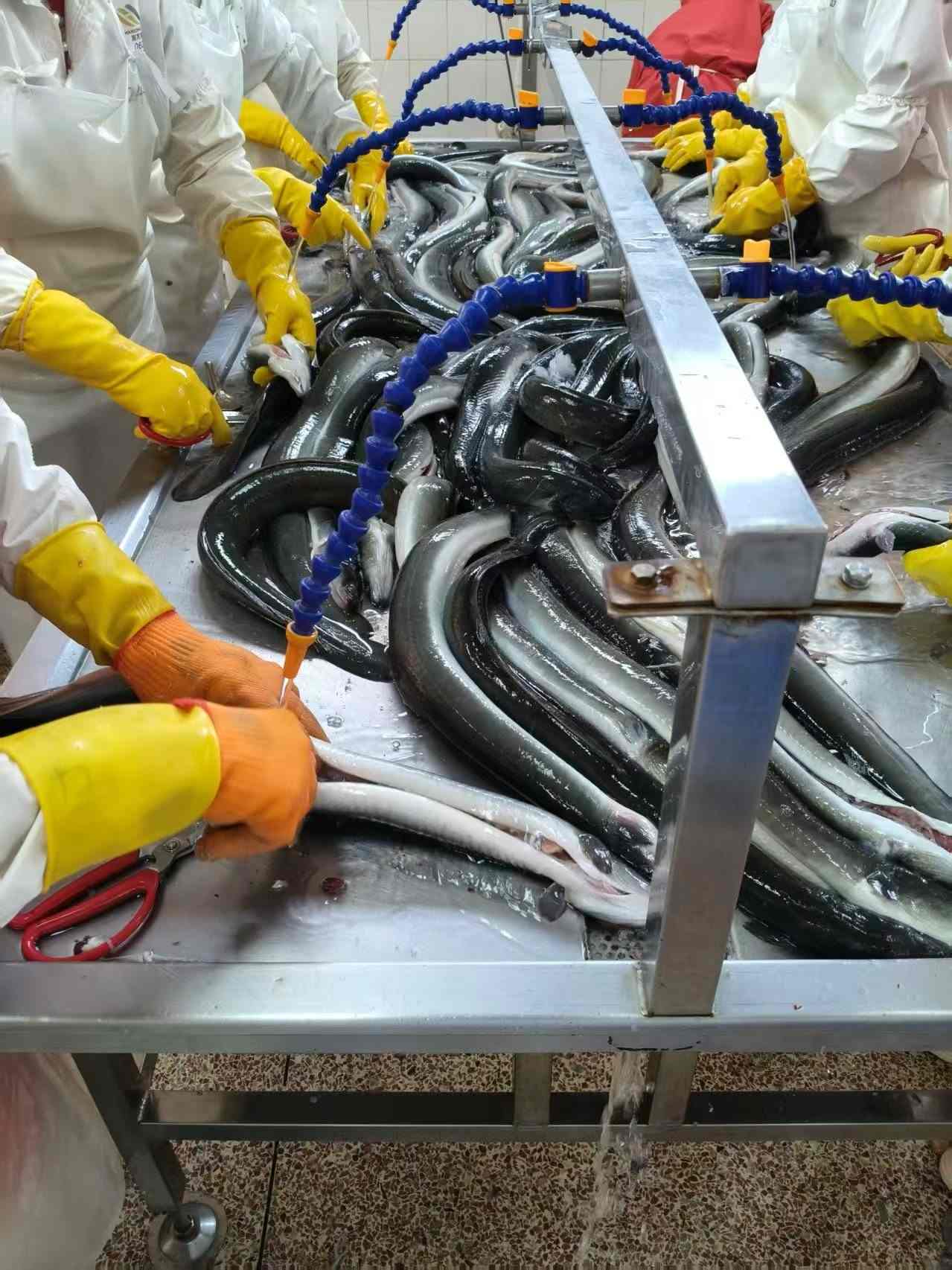
Frozen unagi kabayaki is freshwater eel that has been filleted, skewered, grilled over charcoal, and basted with a sweet soy-based glaze. After cooking, the fillets are flash-frozen to lock in texture and flavor. When a restaurant orders frozen unagi, they receive individually sealed fillets that are ready to reheat. The product is fully cooked during manufacturing; the kitchen just finishes the reheating step.
The most common type used for unagi kabayaki is the Japanese eel, or Anguilla japonica. These eels are farmed in controlled freshwater ponds and harvested at a size that produces tender, fatty fillets suited for grilling. The eel sauce brushed on during grilling caramelizes under heat, giving the surface a glossy sheen and a balance of sweet and savory notes.
Why Restaurants Choose Frozen Over Fresh
Preparing fresh eel in a restaurant kitchen is time-intensive and requires specific skills. Eels are slippery, difficult to handle, and need precise deboning. Many kitchens lack staff trained in this process. Frozen unagi removes these barriers entirely.
Consistency is another factor. A chef may grill one batch of fresh eel differently from the next. Frozen kabayaki fillets, produced under controlled factory conditions, deliver the same size, sauce coverage, and doneness every time. A restaurant serving unagi don on Tuesday gets the same product as Wednesday. This reliability matters for menu planning and portion control.
Storage is simpler, too. Vacuum-sealed frozen fillets keep for months in a commercial freezer. Fresh eel spoils within days. Kitchens can keep a supply on hand and pull only what they need per service.
How to Source Quality Frozen Unagi
Not all frozen unagi is made the same way. When evaluating suppliers, consider these points:
Fillet size and weight. Standard restaurant fillets range from 80 to 120 grams. Smaller fillets work for bento boxes and appetizers. Larger ones suit donburi bowls and entree plates. Ask for samples across size ranges before committing to a supplier.
Sauce ratio. The eel sauce applied during grilling affects both flavor and appearance. Some products come with heavy sauce for a bolder taste. Others use a lighter coat that lets the natural eel flavor come forward. Decide what fits your menu style.
Freezing method. Individual quick freezing preserves texture better than block freezing. IQF fillets separate easily, so the kitchen can pull one portion at a time without thawing the entire case.
Certifications. Look for HACCP or equivalent food safety certifications from the processing facility. These show the supplier follows recognized standards for handling and packaging seafood products.
We at Eelpro supply frozen unagi for restaurants across North America, Europe, and Southeast Asia. Our fillets are individually vacuum-sealed and flash-frozen at the production facility. Restaurant buyers interested in samples or pricing can contact us directly.
Kitchen Preparation: Reheating and Plating
Reheating frozen unagi fillets takes only a few minutes. The most common method is a conveyor toaster or salamander broiler. Place the frozen fillet skin-side down and heat until the surface sauce begins to bubble. This takes roughly three to five minutes depending on equipment.
Some kitchens use a grill or flat-top. Brush a small amount of oil on the cooking surface first to prevent sticking. A microwave works for speed but tends to steam the fillet, softening the surface caramelization that gives kabayaki its texture.
After reheating, slice the fillet into pieces roughly two centimeters wide. For unagi don, lay the slices over a bowl of steamed rice and drizzle extra sauce across the top. For rolls, slice thinner pieces and wrap with nori and seasoned rice.
For more preparation ideas, see our eel recipes collection, which includes dishes like eel noodle soup that work well as seasonal specials.
Menu Ideas Using Frozen Unagi
The product works across multiple menu formats. Here are dishes that fit different restaurant types:
Unagi Don (Eel Rice Bowl). The classic presentation. Grilled eel over steamed rice in a donburi bowl, finished with extra kabayaki sauce and a sprinkle of sansho pepper. Price this as a premium lunch or dinner item.
Unagi Bento. A lunch set with sliced eel, rice, pickled vegetables, and tamagoyaki. Portable and photogenic. Good for takeout and delivery programs.
Eel Sushi Rolls. Use eel as the star protein in maki rolls paired with cucumber and avocado. The sweet-savory eel contrasts with fresh vegetables. Top each piece with a thin strip of nori for texture.
Eel Appetizer Plate. Small eel pieces served on skewers or over a bed of shredded daikon as a shareable starter. Works in izakaya-style concepts.
Fusion Dishes. Eel tacos with pickled onion and sriracha mayo. Eel fried rice with scallions and sesame. Eel sliders on steamed bao buns. The product adapts to creative formats beyond traditional Japanese settings.
Cost and Margin Considerations
Frozen unagi sits at a price point that supports strong plate margins. A standard 100-gram fillet, portioned over rice with sauce and garnish, can be priced as a premium bowl while keeping food cost in a manageable range. The labor savings from skipping fresh eel preparation add to the margin equation. Kitchens spend minutes, not hours, getting unagi dishes to the pass.
Portion control is direct: one fillet equals one serving. There is no yield loss from trimming or skinning. Inventory management becomes a matter of counting cases and fillets rather than estimating fresh product lifespan.
For restaurant groups with multiple locations, using frozen product means the dish tastes the same whether served in location A or location H. Consistency across outlets supports brand reputation and repeat traffic. Japanese eel cuisine continues to grow in popularity on international menus, and a reliable frozen supply makes it accessible to kitchens that would otherwise pass on the category.