

What Are Eel Sauce Ingredients? A Complete Breakdown of Unagi Tare
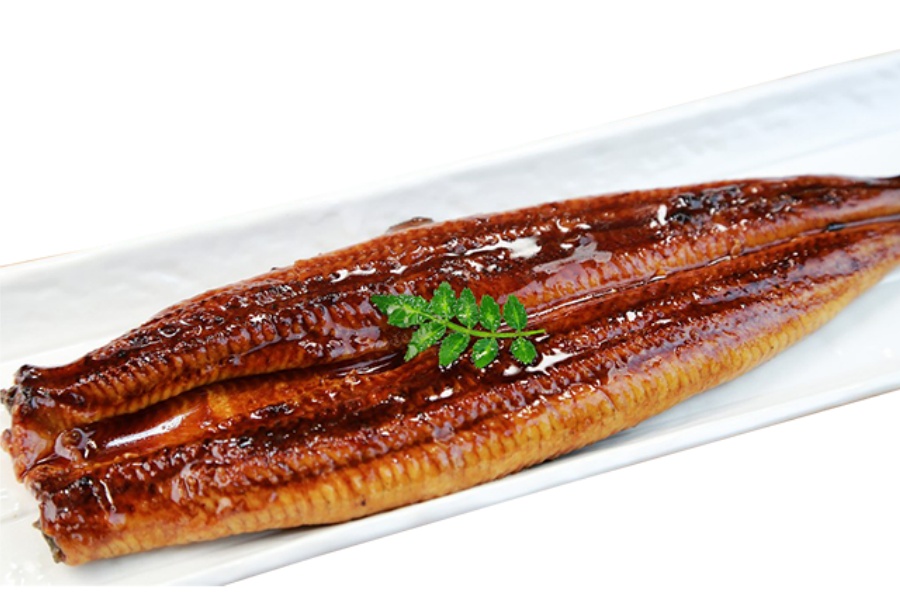
What goes into eel sauce is simpler than most people expect. The glossy, dark brown glaze brushed over grilled unagi kabayaki comes from just a handful of pantry items: soy sauce, mirin, sugar, and sake. Cooks simmer these components together until the mixture thickens into a syrup that clings to grilled eel. People often ask: is eel sauce made of eel? The answer is no. The term refers to the sauce made for eel, not from eel. This is also why it is often called unagi sauce or japanese eel sauce, names that describe what the condiment accompanies rather than what it contains.
At Eelpro, we produce eel sauce in bulk for restaurants and food manufacturers. Understanding the eel sauce ingredients list helps buyers evaluate quality and decide between making the sauce in-house or purchasing a ready-made product.
The Four Core Ingredients
Soy Sauce. The backbone of the sauce. Japanese-style soy sauce, known in Japan as koikuchi shoyu, provides saltiness, umami, and the deep brown color. Lower-quality versions may use hydrolyzed vegetable protein instead, which lacks the fermented complexity of real soy sauce. Good eel sauce ingredients start with good soy sauce.
Mirin. A sweet rice wine with lower alcohol and higher sugar content than sake. Mirin adds a gentle sweetness and a slight luster to the finished glaze. The sugars in mirin also contribute to the caramelization that happens when the sauce hits the grill. Some commercial versions use corn syrup or glucose as a substitute, but traditional recipes rely on mirin.
Sugar. Added separately from mirin to boost the sweetness level. White sugar is most common, though some producers use brown sugar or a mix of both. The sugar content helps the sauce reduce to a syrupy consistency during simmering and creates the glossy surface that makes grilled eel visually appealing.
Sake. Adds depth and helps balance the sweetness. Sake also contains alcohol, which carries aromatic compounds and evaporates during cooking, leaving behind subtle fermented notes. Cooking sake sold specifically for kitchen use works fine for this purpose.
How the Sauce Is Made
Turning these ingredients into finished unagi tare follows a straightforward process. Combine equal parts soy sauce and mirin with roughly half as much sugar and a splash of sake. Bring the mixture to a simmer in a saucepan and cook it down until the volume reduces by about one-third and the sauce coats the back of a spoon. The whole process takes roughly twenty to thirty minutes.
Commercial kabayaki sauce producers often prepare it in larger kettles with controlled heat and continuous stirring. Some recipes call for adding a piece of kombu kelp during simmering to introduce extra umami. Others include a small amount of eel bone stock, made by roasting eel bones and simmering them in water, which adds depth without making the sauce taste fishy.
The finished sauce can be used immediately or stored. Many restaurant kitchens keep a batch on hand and refresh it daily by adding more soy sauce and mirin. This practice, known as tsugitashi, allows flavors to build over time without the sauce spoiling.
What Eel Sauce Is Not and a Taste Profile
The taste of japanese eel sauce — often described when someone asks "what does eel sauce taste like" — is primarily sweet and savory, with a noticeable umami depth from the soy sauce. The sweetness comes from both mirin and added sugar, creating a rounded rather than sharp sugary note. The texture is syrupy, similar to a thin caramel, and it coats the back of a spoon evenly. There is no fishiness or eel flavor in the sauce itself, which surprises people who expect the condiment to taste like the dish it is named after.
When brushed onto grilled unagi kabayaki, the sauce caramelizes from the heat and develops a slightly toasted, complex character beyond what it has straight from the bottle. This caramelization is what gives properly reheated kabayaki its characteristic glossy appearance and deeper flavor.
Variations Across Regions and Producers
While the four core ingredients stay the same, regional variations exist in japanese eel sauce. Sauce from the Kanto region around Tokyo tends to be lighter and less sweet than Kansai-style sauce from Osaka and Kyoto, which is richer and sweeter. Kansai eel is also grilled without steaming first, so the sauce caramelizes more directly on the eel surface.
Some producers in China, where much of the world's farmed eel originates, add honey or maltose syrup to the sugar component. These alternative sweeteners give the sauce a different mouthfeel and a slightly different sweetness profile. When evaluating eel sauce ingredients from different suppliers, the sweetener choice affects both taste and texture.
Factory-produced sauce sold in bottles or bulk containers may include thickeners like modified starch or xanthan gum to maintain consistency during storage and shipping. These additions are generally neutral in flavor and simply help the sauce pour and cling the same way every time.
Buying vs. Making and Is It Vegetarian?
Restaurants face a choice: make unagi sauce in-house or buy it ready to use. Making it gives control over the exact balance of ingredients. The kitchen can adjust sweetness, saltiness, and thickness to match the menu. A house-made batch also allows a restaurant to note that the sauce is prepared fresh, which some diners appreciate.
Buying ready-made sauce saves labor and ensures consistency batch over batch. For multi-location operations, purchased sauce removes the variable of who made it and how long it simmered. The product tastes the same at every outlet. Eelpro supplies bulk unagi sauce to restaurants that want the quality of traditional ingredients without the daily prep commitment.
Some kitchens take a middle approach: they buy a base sauce and customize it. Adding a splash of dashi or a touch of yuzu juice creates a house version that retains consistency while standing apart from competitors.
Is Eel Sauce Vegetarian?
A common question from buyers is: is eel sauce vegetarian? Traditional unagi sauce made from soy sauce, mirin, sugar, and sake is vegetarian in terms of ingredients. None of these four core components comes from animals. However, some commercial producers add eel bone stock or fish-based dashi to deepen the flavor. This moves the sauce out of vegetarian territory.
Buyers serving vegetarian customers should check with the supplier whether the specific batch contains any animal-derived ingredients. Some manufacturers produce a version made strictly from plant-based components. Sake, while brewed from rice, involves a fermentation process that some strict vegetarians may wish to research, though most consider it acceptable.
Read more eel recipes and other guides on our blog for additional information on using unagi products in your kitchen.
Common Confusions: Eel Sauce vs. Other Condiments
Some diners and even culinary publications confuse the condiment with other sauces. It is not the same as hoisin sauce, which uses fermented soybean paste and spices. It is not teriyaki sauce, which shares similar components but typically includes ginger and garlic and uses a thinner consistency. It is not oyster sauce, which is made from oyster extracts and has a much saltier, funkier profile.
The confusion is understandable because all of these sauces are dark, sweet, and savory. But the taste difference is clear. Unagi sauce has a cleaner, more straightforward sweetness that does not compete with the natural richness of grilled eel. That is why it pairs so well with kabayaki and other grilled dishes.
Knowing the exact eel sauce ingredients helps buyers assess quality and make informed decisions. A product made from real soy sauce, mirin, sugar, and sake — simple, traditional eel sauce ingredients — will always outperform one built on substitutes and shortcuts.