


Unagi Def Separates the Eel From the Friends Joke
You hear “unagi” in Friends, picture a state of total awareness, and then see it on a Japanese menu. So what does it actually mean? The short answer behind unagi def is simple: unagi is Japanese eel, usually served as food.
The sitcom joke is memorable because it sounds convincing. But the real unagi def has nothing to do with sensing danger from every direction. In Japanese food culture, unagi is a prized freshwater eel prepared in dishes such as grilled kabayaki, rice bowls, sushi, and noodle dishes.

What unagi means when it appears on a Japanese menu
A practical unagi def is “eel,” specifically the Japanese food term for freshwater eel. The word appears on restaurant menus, frozen-food labels, recipe pages, and seafood import documents. It is not a sauce, a cooking technique, or a martial-arts term.
In food settings, unagi commonly refers to eel that has been cleaned, cut, cooked, and prepared for serving. One of the best-known preparations is kabayaki eel: eel is opened, skewered, grilled, and coated with a sweet-savory soy-based glaze. The finished product is often served over rice as unadon or unaju.
The term is also used in broader product descriptions. For example, frozen unagi kabayaki may be supplied as whole fillets, cut pieces, sushi slices, strips, chunks, or standardized portions for foodservice kitchens.
| Term | Meaning | Where it fits | What it does not mean |
|---|---|---|---|
| Unagi def | Japanese word for eel | Menus, recipes, seafood labels, Japanese cuisine | A mental alertness state |
| Kabayaki | A style of grilled and glazed preparation | Unagi rice bowls, bento, sushi, restaurant menus | The species of eel itself |
| Unagi tare | Seasoned sauce used with grilled eel | Glazing, finishing, dipping, rice-bowl preparation | The eel meat |
| Zanshin | A Japanese martial-arts concept often described as continuing awareness | Martial-arts discussion | A direct translation of unagi |
For a food lover, the useful conclusion is clear: if a menu says unagi, expect eel. If it says kabayaki, expect a cooking style. If it says tare, expect sauce. This distinction fits restaurant ordering, recipe reading, and home cooking. It does not identify the exact farm, species, seasoning level, or cut format, so check the product label or ask the supplier when those details matter.
You can see how the prepared dish differs from the raw word by reviewing our unagi kabayaki product information.
How unagi def separates the real Japanese food term from the popular-culture misuse of unagi as a state of awareness
The unagi def used in a food or language context is eel. The Friends joke uses the word as though it means full environmental awareness. That is the comedy: the character is confidently wrong.
The scene may still lead people toward a real Japanese concept. Zanshin is often translated as remaining awareness or continued attention in martial arts. Even that translation should be handled carefully. Its meaning can vary by discipline and teacher. It is not interchangeable with eel.
| Question | Accurate answer | Useful context |
|---|---|---|
| Does unagi mean total awareness? | No. Unagi means eel. | The idea comes from a television joke, not ordinary Japanese food vocabulary. |
| Is the Friends line a Japanese lesson? | No. It is a comic misunderstanding. | It can be a fun starting point for learning food terms, but it should not be used as a translation reference. |
| What Japanese term is closer to continued awareness? | Zanshin is often the closer term. | Its use belongs mainly to martial-arts and related cultural discussion, not seafood ordering. |
| Can “unagi” appear outside food conversation? | Yes, as the ordinary Japanese noun for eel. | Context still matters. A restaurant menu and a martial-arts class use very different vocabulary. |
Here is the easy memory trick. Unagi swims. Zanshin describes a mental concept. Kabayaki is how eel may be cooked. Tare is the sauce that gives grilled eel its familiar glossy finish.
This distinction is especially useful for menu writers, food bloggers, restaurant staff, and shoppers searching online. A search for unagi def may begin with a sitcom reference, but a buyer searching for an edible product should move quickly to terms such as frozen unagi kabayaki, eel fillet, eel sauce, cut pieces, or sushi slices.
Frequently asked questions about unagi and the Friends joke
Is unagi def simply “eel”?
Yes. The direct food-related unagi def is eel. In Japanese dining, it usually points to freshwater eel used in cooked dishes. This answer fits menus, recipes, and product packaging. It does not mean every eel dish is prepared in the same way; grilling, saucing, cutting, and packaging can differ.
Was the Friends unagi joke completely invented?
The unagi def itself was not invented, because unagi is a real Japanese word. The incorrect part is treating it as a special state of alertness. The joke works because viewers may not immediately know the food meaning.
What does unagi taste like?
Cooked unagi has a rich, soft texture and a savory flavor that is often balanced by sweet soy-based glaze. The result depends heavily on the preparation. Plain white-roasted eel tastes different from glazed kabayaki eel, and sauce quantity changes the final impression. If you enjoy sweet-savory grilled foods, kabayaki is usually the better first choice. If you prefer more control over seasoning, choose a less-sauced format where available.
Is eel sauce the same thing as unagi?
No. The unagi def is the fish, while eel sauce is the seasoning. Some shoppers also call it unagi tare. A sauce can be used with eel, sushi, rice, vegetables, or other grilled foods. For a closer look at sauce selection, see our eel sauce page and our guide to kabayaki sauce.
Is unagi always served with rice?
No. Rice bowls are famous, but unagi can also appear in sushi, bento meals, noodle dishes, appetizers, and prepared seafood assortments. The unagi def does not specify the serving format. It only identifies the eel.
How to choose an unagi product after learning the real meaning
Once the unagi def is clear, choose the product by how you plan to serve it. The right option depends on whether you are preparing dinner at home, designing a restaurant menu, or purchasing for a foodservice program.
- Choose glazed kabayaki fillets when you want the familiar Japanese grilled-eel profile. This suits rice bowls, bento, and quick meal preparation. It is less suitable if you need a neutral base for your own sauce formula.
- Choose cut pieces or sushi slices when portion consistency matters. This suits sushi counters, catering trays, and meal-prep applications. It may not suit a presentation that calls for a large, intact fillet.
- Choose white-roasted eel when you want to finish the seasoning yourself. This suits chefs testing regional sauces or reduced-sugar recipes. It requires more back-of-house handling than ready-glazed kabayaki.
- Choose unagi tare separately when your kitchen needs adjustable glaze coverage. This works well for rice bowls and finishing applications. It does not replace the texture or protein value of eel.
Cold fact: “Eel sauce” does not necessarily mean that eel is an ingredient in the sauce. The name usually describes its use with eel. Always read the ingredient statement when dietary requirements, allergen controls, or customer claims are involved.
Use this buyer checklist before ordering frozen unagi kabayaki
For home cooks, a simple package label may be enough. For importers, distributors, and restaurant groups, the unagi def is only the beginning. Product format, food-safety documents, traceability, and sauce profile all affect the buying decision.
- Confirm the product format. Ask whether you need whole fillets, cut pieces, strips, chunks, three-section cuts, diced eel, or sushi slices. Choose based on plating and portion needs, not on the word “unagi” alone.
- Confirm the sauce approach. Ask whether the product is white-roasted, pre-glazed, or supplied with separate unagi tare. This matters when a restaurant wants a signature finishing sauce.
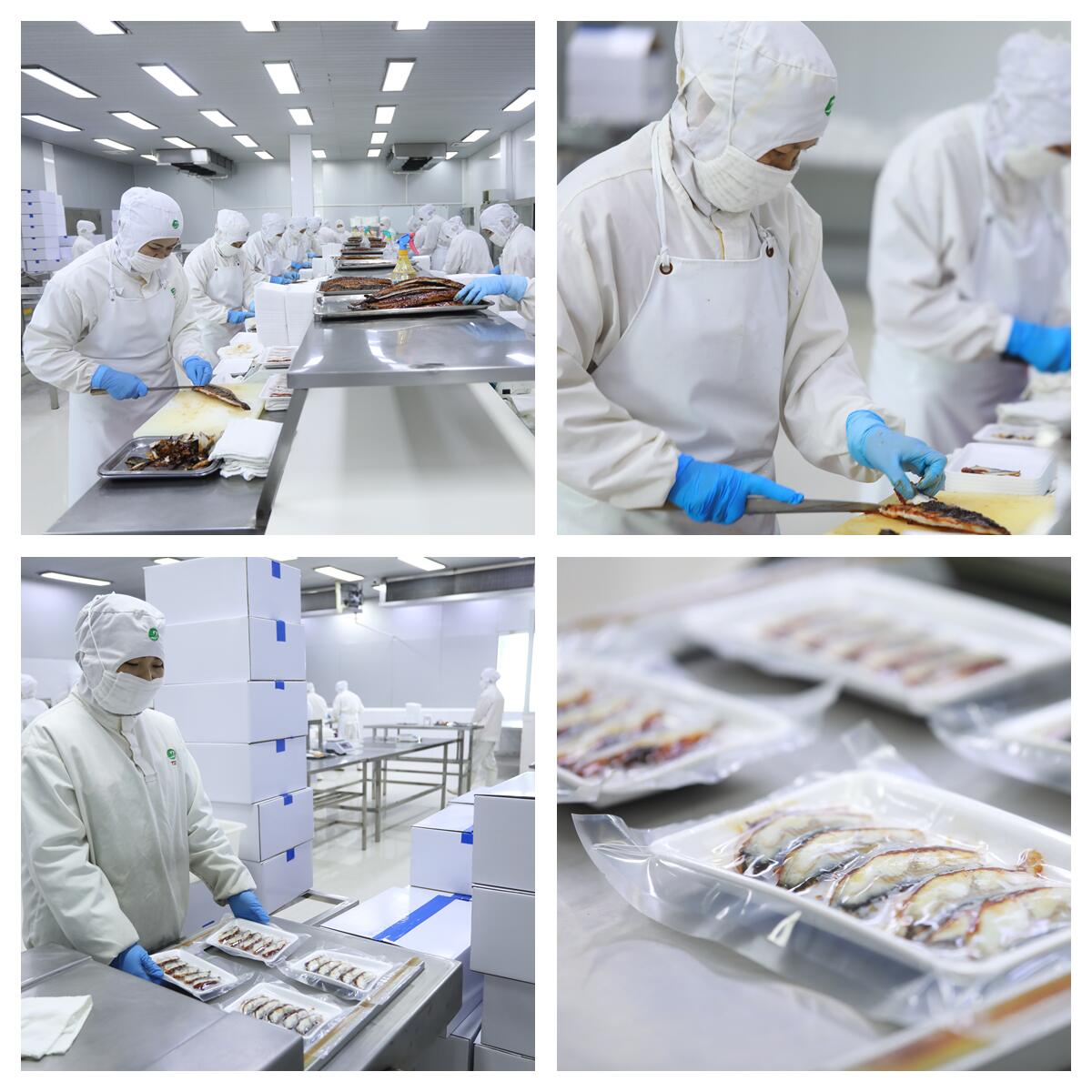
- Review food-safety credentials. For export-oriented purchasing, request applicable documentation. Eelpro operates under ISO 22000:2018, HACCP, HALAL certification, export food producer registration, and an SC Food Production License.
- Ask about traceability. Eelpro has approximately 20 customs-registered eel farming bases covering more than 2,150 mu, with traceability controls from farming registration through process verification and shipment tracking.
- Match order timing to the actual supply plan. Regular order delivery is approximately 30 days from order confirmation to shipment, with timing negotiable according to specification and quantity. Do not treat that figure as a fixed promise for every order.
- Request a sample or specification sheet. This is the best step when color, cut style, sauce level, or packaging format will affect customer acceptance.
For commercial buyers, food safety also requires more than a marketing statement. HACCP is a preventive food-safety system based on identifying and controlling hazards during production. Eelpro supports this work with an in-house laboratory and metal detectors at control points. The facility has two modern production lines, annual finished-goods capacity of 4,000 tons, and a 1,000-ton cold-storage facility.
Common mistakes to avoid when talking about unagi
- Repeating the sitcom definition as fact. The correction is simple: unagi means eel. Use zanshin only when discussing the separate awareness concept.
- Calling kabayaki a fish species. Kabayaki is preparation style, not the animal.
- Assuming every unagi product tastes identical. Sauce layers, roasting approach, cut style, and final cooking all change the eating experience.
- Buying only by the word “unagi.” Check whether the product is glazed, boneless or deboned, portioned, frozen, and suitable for your intended dish.
- Ignoring sauce compatibility. A kitchen with its own recipe may prefer white-roasted eel, while a quick-service operation may benefit from ready-to-heat kabayaki.
At Eelpro, the roasting process uses 4 layers of soy-sauce coating with controlled roasting steps, alongside patented low-fat roasting and deodorizing technology. That information helps buyers compare prepared kabayaki options, but it does not mean one flavor profile fits every menu. Japanese restaurant chains, importers, and foodservice operators should still test the product against their own serving style.
If you started with the Friends reference, the final answer is pleasantly simple: unagi def means eel, and the delicious part begins when you decide how to serve it. Explore our unagi ramen guide for another practical way to enjoy Japanese eel, or contact us to request a product specification or sample.