


Why Sourcing the Right Eel Matters for Your Unagi Eel Sushi Menu
For many restaurant patrons, eel sushi is simply eel sushi. But for importers, distributors, and chefs, the distinction between unagi and anago is a critical sourcing decision that impacts flavor, cost, and kitchen operations. Choosing the wrong product can lead to mismatched flavor profiles, inconsistent textures, and higher-than-expected food costs. Understanding these differences is the first step to building a reliable supply chain for high-quality unagi eel sushi and other Japanese eel products.
As a specialist in food safety for eel exports, I've guided numerous clients through the complexities of sourcing. The key is to look beyond the surface-level differences and understand how the raw material, farming, and processing methods affect the final product that reaches your customers in markets like Japan, the United States, and the European Union.
Unagi vs. Anago: A Technical Breakdown for Importers and Chefs
While both are staples in Japanese cuisine, unagi (freshwater eel) and anago (saltwater eel) come from different species and offer distinct culinary properties. This choice directly influences menu applications, preparation methods, and profitability. Below is a detailed comparison to help you make an informed sourcing decision.
| Feature | Unagi (Freshwater Eel) | Anago (Saltwater Eel) | Impact for Your Business |
|---|---|---|---|
| Species | Anguilla japonica | Conger myriaster | Species dictates the fundamental fat content and muscle structure. Unagi's biology makes it ideal for controlled aquaculture, ensuring a stable, year-round supply chain. |
| Habitat & Sourcing | Freshwater rivers and farms. | Saltwater (ocean), primarily wild-caught. | Farmed unagi from certified sources provides superior traceability and consistency, a key requirement for export markets. Wild-caught anago supply can be seasonal and less predictable. |
| Flavor Profile | Rich, bold, and fatty with a deep umami flavor. | Delicate, light, and naturally sweet with a subtle flavor. | Unagi’s powerful flavor stands up to the caramelization of a sweet soy glaze (tare), making it perfect for classic kabayaki. Anago's gentle flavor is easily overpowered. |
| Texture | Firm, meaty, and satisfyingly dense. | Extremely soft, fluffy, and flaky. | Unagi’s firm texture holds its shape perfectly during grilling, slicing, and serving as nigiri. Anago’s soft flesh can fall apart if not handled with care, making it less suitable for certain high-volume kitchen workflows. |
| Common Preparation | Kabayaki: Grilled and basted with a sweet soy sauce. | Nitsume: Simmered in a sweet, savory broth. Also popular as tempura. | The preparation reflects the texture. Grilling unagi crisps the skin and renders fat. Simmering anago preserves its delicate structure. Sourcing pre-cooked unagi kabayaki standardizes this process. |
| Market Positioning & Cost | Premium product with a higher price point. | More budget-friendly, often used in casual dining. | Unagi is a menu highlight that commands a higher price. Anago serves as a versatile, lower-cost alternative. Your choice signals your market position. |
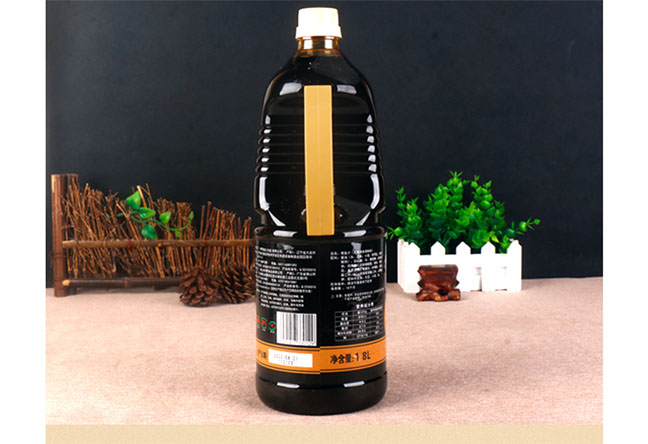
Sourcing Compliant Unagi: Mitigating Risks in Global Trade
Sourcing eel, especially for international markets, involves more than just price negotiation. Regulatory compliance, food safety, and supply chain integrity are paramount. A single misstep can result in costly import rejections, damage to your brand reputation, and potential health risks for consumers. At Eelpro, we’ve built our operations around mitigating these risks for our partners in Germany, Poland, Australia, and across Southeast Asia.
Here are common sourcing mistakes B2B buyers must avoid:
- Mistake 1: Ignoring Traceability. Many suppliers cannot provide farm-to-fork documentation. This is a major red flag. Without it, you cannot verify the origin of the eel, the feed used, or the water quality. The Risk: Your shipment could be rejected at customs for containing residues of banned veterinary drugs. We prevent this with our network of approximately 20 customs-registered eel farming bases, which operate under a full-chain control system that includes targeted sampling and traceability tracking.
- Mistake 2: Overlooking Processing Standards. Inconsistent processing leads to a product with a "muddy" or off-flavor, poor texture, and uneven coloring. The Risk: Customers receive a subpar dining experience, damaging your restaurant's or brand's reputation. Our ISO 22000:2018 and HACCP-certified facility uses patented low-fat roasting and deodorizing technology. Our four-layer soy sauce coating process, with precise temperature controls, ensures a consistent, high-quality finish on every piece.
- Mistake 3: Underestimating Cold Chain Management. The quality of frozen seafood degrades rapidly if the cold chain is broken. The Risk: You receive a product with poor texture, reduced shelf life, and potential food safety issues. Our 1,000-ton capacity cold storage facility ensures that products are held at stable temperatures from post-production through to shipment, guaranteeing quality upon arrival. We also operate our own professional laboratory and use metal detectors to verify safety at critical control points.
Optimizing Your Menu: Choosing the Right Japanese Eel Products
With a clear understanding of unagi versus anago and the importance of sourcing, you can strategically select the right product for your business. For most foodservice operations focused on consistency, quality, and labor efficiency, processed frozen unagi is the superior choice. It provides a reliable foundation for creating excellent unagi sushi and other dishes.
This checklist can help guide your decision-making process.
Buyer's Decision Checklist: Unagi or Anago?
- What is your menu's price point? For premium menus that can support a higher cost ingredient, unagi signals quality and authenticity. For more price-sensitive or high-volume applications, anago may be considered.
- What is the flavor profile of the dish? If the dish features a bold, savory, and sweet glaze like traditional unagi kabayaki, you need the richness of unagi to balance the sauce. Anago's delicate flavor would be lost.
- How critical is operational consistency? For restaurant chains or large-scale catering, standardized products are essential. Our ready-to-heat, boneless unagi kabayaki eliminates back-of-house variables like deboning, cutting, and cooking, drastically reducing labor costs and ensuring every customer gets the same experience. We offer custom cuts, including sushi slices, shreds, and dices.
- What do your customers expect? In most Western and Asian markets, the rich, grilled flavor of unagi is what consumers associate with "eel sushi." Serving anago might not meet the expectations for classic unagi eel sushi.
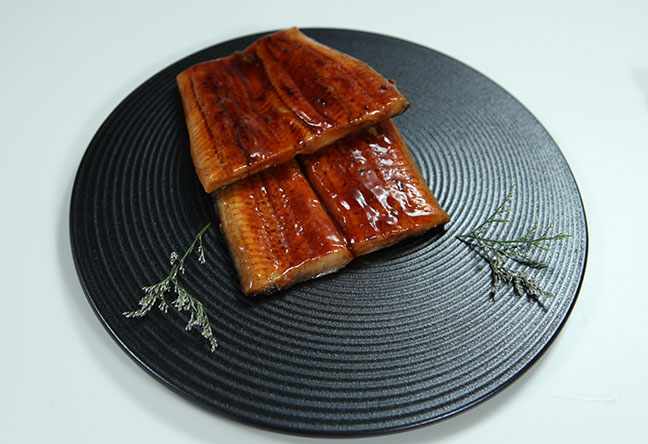
Ultimately, the quality of your unagi sushi depends on the quality of your raw material. By partnering with a supplier that controls the entire production chain—from our 2,150 mu of farming bases to our two modern production lines with a 4,000-ton annual capacity—you secure a product that is not only delicious but also safe, compliant, and consistently excellent. The rich flavor of the eel is perfectly complemented by a high-quality eel sauce, which can make or break the final dish.
For a detailed spec sheet on our frozen unagi kabayaki products or to discuss your specific sourcing needs for the US, EU, or Asian markets, please contact our export team.