


What Is in Eel Sauce Made Of, and Why It Matters More Than Most Buyers Realize
A restaurant chain reorders eel sauce for its sushi line, then gets a customer complaint: someone with a soy allergy had a reaction. The label said "eel sauce," nothing more. This happens more often than it should. What is in eel sauce made of is not a trivial question — it affects allergen labeling, shelf life, and how the sauce performs on rice, noodles, or grilled unagi. This guide breaks down the real composition, the allergen risks, and how to evaluate a supplier's formula before you commit to a container order.
The Base Ingredients Behind Unagi Sauce
Traditional eel sauce — called unagi tare in Japan — is built from four core ingredients. None of them are exotic. The complexity is in the ratio and the cooking process, not the ingredient list.
- Soy sauce — provides the salt base and the dark color. Usually the largest volume ingredient.
- Mirin — a sweet rice wine that adds shine and a mellow sweetness without raw alcohol bite.
- Sugar — balances the saltiness and helps the sauce caramelize when brushed on grilled eel.
- Sake or eel-roasting drippings — traditional tare is reduced using the juices released during eel grilling, which adds a savory, slightly fishy depth that sets real unagi sauce apart from a generic teriyaki glaze.
Some commercial formulas also add a small amount of starch or glucose syrup for viscosity control, especially when the sauce needs to cling to unagi kabayaki without running off during packaging or reheating.
What Is in Eel Sauce Made Of — A Technical Breakdown of Each Component
For foodservice buyers, knowing the ingredient name is only half the job. What matters is what each component does functionally, and what goes wrong if the ratio is off. This is where many buyers get burned — they assume "eel sauce is eel sauce" and skip the spec sheet.
| Component | Function in the Sauce | What Happens If Mismanaged |
|---|---|---|
| Soy sauce ratio | Controls salt level and base umami depth | Too high = overpowers eel flavor; too low = sauce tastes flat and thin |
| Sugar-to-mirin ratio | Determines caramelization during grilling and glaze stickiness | Excess sugar burns black on the grill; too little leaves a pale, dull glaze |
| Viscosity (starch/reduction level) | Affects how the sauce coats rice bowls, noodles, or skewers | Too thin runs off the product; too thick clogs squeeze bottles and dosing lines |
| Sodium content (mg per serving) | Impacts shelf stability and compliance with sodium labeling rules in the US and EU | Underestimating sodium on the label risks regulatory non-compliance on import |
| pH level | Influences microbial stability in ambient or chilled storage | Poorly controlled pH shortens shelf life or requires unplanned refrigeration |
If you're sourcing sauce for a packaged retail SKU rather than in-house foodservice use, ask the supplier for sodium-per-serving data and pH testing records up front. This is standard documentation from any facility operating under ISO 22000 and HACCP protocols, and it should come with the first sample shipment, not after a complaint.
Eel Sauce Allergens and Label Reading for Export Markets
This is the section most buyers skip, and it's the one that causes recalls. Eel sauce allergens trace back to three ingredients:
- Soy — present in nearly every traditional formula via soy sauce.
- Wheat/gluten — many commercial soy sauces are brewed with wheat; gluten-free soy sauce exists but changes flavor and must be verified separately.
- Fish derivatives — if the tare is reduced from actual eel-roasting drippings, it contains fish protein, which must be declared under major food allergen labeling rules in the US, and under equivalent EU and UK regulations.
For buyers supplying the Japanese, US, German, or Polish market, allergen declarations are not optional paperwork — they're a legal requirement tied to each country's labeling framework. A sauce labeled simply "eel sauce" with no allergen statement should be treated as a red flag, not a shortcut.
Teriyaki vs Eel Sauce — What Actually Separates Them
Buyers often substitute teriyaki sauce for eel sauce to save cost, assuming they're interchangeable. They're close cousins, but not the same product.
| Attribute | Teriyaki Sauce | Eel Sauce (Unagi Tare) |
|---|---|---|
| Base flavor depth | Soy, sugar, mirin — straightforward sweet-savory | Same base plus fish-derived umami from eel drippings |
| Typical use case | Marinade and stir-fry glaze | Finishing glaze for grilled unagi, rice bowls, sushi rolls |
| Viscosity target | Thinner, pourable | Thicker, designed to cling without soaking rice |
| Allergen profile | Soy, sometimes wheat | Soy, often wheat, plus possible fish protein |
If your menu item is a plain rice bowl or grilled chicken dish, teriyaki works fine. If you're plating a sushi roll or donburi marketed as "unagi," substituting plain teriyaki will be noticeable to anyone who's had the real thing — the fish-forward depth is missing.
Vegan Eel Sauce and Substitution Options
Demand for vegan eel sauce has grown, particularly for plant-based sushi menus in Australia, the EU, and parts of Southeast Asia. A true plant-based version skips the eel drippings entirely and leans on:
- Soy sauce or tamari (gluten-free option)
- Mirin or rice vinegar with added sugar
- Kombu or shiitake extract to replace the umami normally supplied by fish drippings
The trade-off: vegan versions taste close but rarely match the exact depth of a traditionally reduced tare. For menus serving a mixed clientele — some vegan, some not — stocking both versions separately, with clear labeling, avoids cross-contamination claims and keeps allergen statements accurate.
Matching Sauce Format to Application
Not every eel sauce format works for every use case. Here's a quick reference for operators choosing between formats:
- Sushi and nigiri — needs a thicker glaze that won't run onto the rice; squeeze-bottle packaging is standard.
- Rice bowls (donburi) — medium viscosity, often applied warm so it soaks slightly into the rice without pooling.
- Noodle dishes — thinner consistency so it disperses through broth or stir-fry without clumping.
- Packaged retail kits — requires shelf-stable pH and sealed single-serve pouches, since these sit outside cold storage longer than foodservice-use sauce.
Operators building a full unagi program often pair sauce sourcing with frozen eel supplier relationships that can match the glaze to the cut — whole kabayaki, cut pieces, or sushi slices each need slightly different sauce viscosity to look right on the plate.
Common Mistakes Buyers Make When Sourcing Eel Sauce
- Assuming "eel sauce" is a fixed recipe — formulas vary widely between suppliers; always request the ingredient breakdown, not just the product name.
- Skipping allergen documentation — leads to compliance issues at customs or retail audit stage.
- Ignoring viscosity specs — a sauce that works for rice bowls may fail completely in a squeeze-bottle sushi application.
- Substituting teriyaki without testing on the actual menu item — the flavor gap is obvious to repeat customers.
- Not checking sodium labeling against the destination market's rules — US, EU, and Japanese sodium disclosure thresholds differ.
Buyer's Decision Checklist
- Does the supplier provide a full ingredient and allergen declaration, not just a product label?
- Is sodium content documented per serving, matching your destination market's labeling rules?
- Has the sauce been tested for the specific application — glaze, dip, or marinade?
- Is there a vegan or allergen-reduced version available if your menu needs it?
- Does the production facility carry ISO 22000, HACCP, or equivalent food safety certification?
- Can the supplier confirm shelf life and storage conditions (ambient vs. chilled)?
As a quality specialist reviewing eel sauce formulations for export clients, I've seen more rejected shipments caused by missing allergen paperwork than by flavor complaints. Documentation catches problems before they reach a customer's plate.
Pairing sauce with the right eel cut matters just as much as the formula itself. For background on how roasting and glazing interact, see kabayaki sauce application notes, or review storage tips for eel sauce if you're planning batch prep for a high-volume menu.
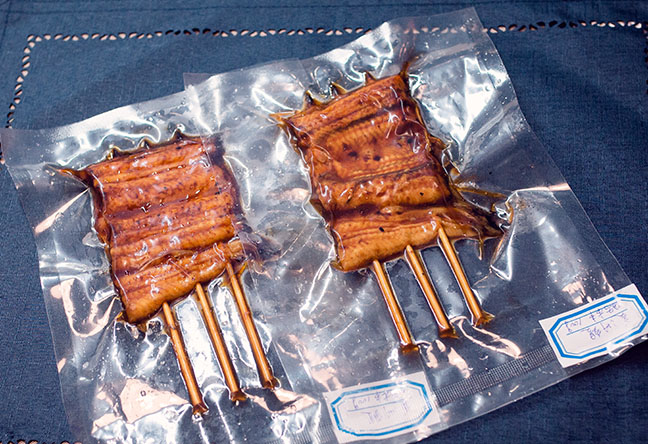
Quality control for sauce and the eel itself go hand in hand — both are verified in the same eel lab testing pipeline before shipment, covering microbiological indicators and veterinary drug residue limits required by Japan, US, and EU inspection standards.
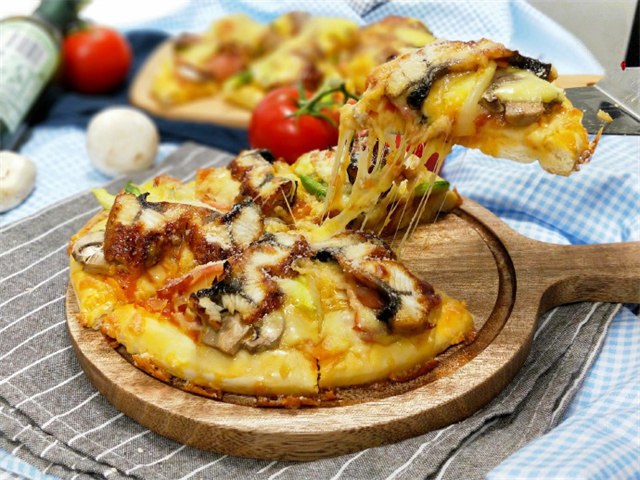
If you're sourcing eel sauce or kabayaki eel for an export order, request a formulation spec sheet and allergen statement alongside your sample. It's a five-minute ask that prevents a much longer problem down the line — reach out to discuss specs or request a sample batch before your next order.