


Unagi vs Anago Helps You Choose the Right Japanese Eel Experience
One eel melts into warm rice with a rich, buttery bite. Another feels lighter, softer, and almost airy. That difference can change a sushi order, a rice bowl, or a home dinner. The real unagi vs anago question is not which one is “better.” It is which flavor and texture you want on the plate.
Both are loved in Japanese cuisine, yet they create very different eating experiences. A useful unagi vs anago comparison starts with the senses: fat level, flesh structure, natural sweetness, and savory depth. Those details matter more to diners than a species name on a menu.
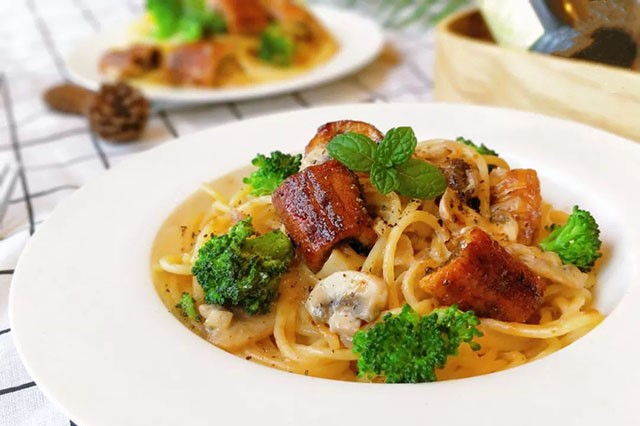
Start With the Bite You Want on the First Mouthful
The simplest unagi vs anago distinction is this: choose unagi when you want a fuller, richer, more substantial eel bite; choose anago when you want a lighter and more delicate bite. This is useful for early menu planning because sauce, rice, toppings, and portion size should support the eel rather than bury it.
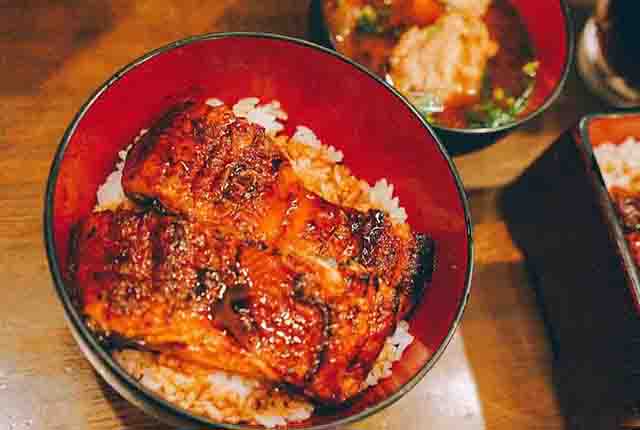
Unagi is commonly associated with a rich mouthfeel. Its flesh tends to feel dense yet tender, with noticeable richness that lingers after each bite. It works well when the eel is the main event, such as a rice bowl, a glazed fillet, or a bold sushi topping.
Anago generally reads as gentler. The flesh is often softer and more delicate, with a clean savory finish rather than a heavy coating of richness. It suits diners who enjoy subtle seafood flavor, lighter sushi pieces, or menus where several courses need to feel balanced.
For a practical unagi vs anago choice, do not ask only, “Which eel do people prefer?” Ask, “Do I want the eel to dominate the dish or support the other ingredients?” Rich eel can carry a bowl of plain rice. Delicate eel benefits from thoughtful contrasts such as lightly seasoned rice, fresh herbs, or a restrained sauce.
A sensory comparison of fat level, flesh texture, sweetness and umami rather than habitat or cooking method
A good unagi vs anago decision should focus on what the diner actually perceives. The table below avoids broad labels and breaks down what each sensory factor changes in a finished dish. Umami refers to the savory depth that makes food feel satisfying and rounded rather than simply salty.
| Sensory factor | Typical unagi impression | Typical anago impression | What it changes in practice | What can go wrong |
|---|---|---|---|---|
| Fat level | Richer, rounder, more coating on the palate | Leaner-feeling and cleaner | Unagi can support plain rice and assertive glaze; anago can keep a multi-course meal from feeling too heavy. | Using a rich sauce with a rich eel can make the final bite feel overly sweet or heavy for some diners. |
| Flesh texture | Substantial, tender, and yielding | Soft, fine, and delicate | Unagi gives a noticeable center-of-plate bite; anago offers a gentler texture for sushi and lighter servings. | A diner expecting a firm, filling bite may find anago too subtle. A diner seeking lightness may find unagi too rich. |
| Natural sweetness | More pronounced rounded sweetness | Subtle sweetness | Unagi pairs naturally with sweet-savory tare; anago allows milder seasoning to remain noticeable. | Too much sweet glaze can erase anago’s finer flavor and make unagi taste one-dimensional. |
| Umami | Deep, lingering savory richness | Clean, restrained savory finish | Unagi creates a fuller bowl or sushi bite; anago leaves room for rice seasoning and side dishes. | Strong toppings can flatten the distinction, leaving diners unable to recognize the eel’s own character. |
This unagi vs anago framework fits menu buyers, home cooks, and restaurant staff because it starts with the plate. It does not apply perfectly to every individual eel portion, since size, trimming, sauce level, and handling affect the final experience. Still, it gives diners a more useful starting point than treating both as interchangeable “Japanese eel.”
Match Each Eel to the Meal Format Rather Than the Name on the Menu
When choosing between them, the best answer depends on the role the eel must play. The unagi vs anago choice becomes clearer when you identify whether the dish needs richness, contrast, visual impact, or a lighter finish.
- Choose unagi for a main rice bowl. The fuller body and rich flavor stand up well to rice. This fits diners who want a satisfying single-bowl meal. It may not suit a menu designed around very light portions.
- Choose unagi for a sweet-savory glazed presentation. Its natural richness works comfortably with tare-style flavors. Eelpro’s frozen unagi kabayaki is relevant when a buyer wants a prepared eel format built around this familiar profile.
- Choose anago for a lighter sushi course. Its softer and cleaner character can fit well when rice, vinegar seasoning, and other seafood are intended to remain noticeable. It is less suitable when the menu description promises a bold, rich eel taste.
- Use careful sauce control for both. Sauce should reinforce the eel’s character, not cover it. A buyer developing a sweeter glaze can review our eel sauce product page for a related product option.
A practical unagi vs anago rule is to order unagi when diners expect a recognizable rich grilled-eel experience, and to consider anago when they want refinement, softness, and a lighter seafood finish. The limit is simple: a menu cannot rely on that rule alone. Portion size, rice quantity, and sauce intensity still shape satisfaction.
Run a Simple Side-by-Side Tasting Before Changing a Menu
Descriptions help, but a controlled tasting answers the unagi vs anago question faster for a restaurant team. The goal is not to declare a winner. It is to identify which sensory profile fits the intended customer and menu item.
- Define the dish first. Write down whether the product is intended for sushi, a rice bowl, a starter, or a shared plate. This prevents the team from judging eel without a serving context.
- Keep the portion format comparable. Compare similar-sized pieces where possible. A very large portion can feel richer simply because there is more of it.
- Taste the eel before adding a strong sauce. Assess fat, softness, sweetness, and savory finish in the plainest practical format. This reveals the ingredient’s own character.
- Repeat with the planned rice and seasoning. Taste again with the actual menu components. The correct choice can change when vinegared rice, glaze, or toppings are added.
- Record four sensory scores. Use simple notes: rich or light, dense or delicate, sweet or subtle, lingering or clean. Avoid vague comments such as “nice” or “better.”
- Decide based on the target diner. A family rice-bowl concept may prefer the fuller impression of unagi, while a lighter sushi menu may favor anago’s softer character.
This test is especially useful when a chef and purchasing team have different assumptions about unagi vs anago. The chef may prioritize plating and texture, while purchasing may focus on available formats and supply consistency. A shared tasting sheet gives both sides a clear basis for the final selection.
Avoid the Mistakes That Make Both Eels Taste Less Distinctive
The most common unagi vs anago mistake is over-seasoning. When every eel is served under a thick, very sweet coating, the menu loses the reason for offering two different experiences.
- Mistake: treating richness as a quality grade. Richer is not automatically better. Choose unagi for diners who want depth and fullness; choose anago when restraint is the point.
- Mistake: judging texture only after adding too many toppings. Crisp onions, mayonnaise, heavy cheese, or strong chili can hide delicate flesh. Use these only when the menu intentionally seeks a fusion-style result.
- Mistake: pairing every eel dish with the same sauce quantity. Rich unagi and delicate anago need different levels of restraint. Test the sauce separately rather than applying a fixed amount by habit.
- Mistake: assuming “soft” means poor quality. Softness can be desirable in anago. The real question is whether the texture suits the dish and is handled carefully.
- Mistake: buying without confirming the intended cut and pack format. A rice bowl, sushi topping, shredded filling, and prepared snack require different portion planning.
Cold fact: diners often remember eel not by its species name, but by the aftertaste. In an unagi vs anago tasting, ask them what remains after swallowing: a rich savory finish or a light clean finish. That answer often predicts which menu item they will reorder.
Choose a Supplier Format That Protects the Intended Eating Experience
For foodservice buyers, the unagi vs anago discussion should continue into specification review. A rich eel dish loses appeal if portions vary too widely or if back-of-house teams must do excessive trimming. A delicate eel dish loses appeal if handling damages the flesh before service.
Eelpro focuses on frozen roasted eel and deep-processed aquatic products with two modern production lines and annual finished-goods capacity of 4,000 tons. The company has a 1,000-ton cold storage facility and applies full-chain traceability through approximately 20 customs-registered eel farming bases covering 2,150 mu.
For buyers selecting frozen unagi kabayaki, our production includes a four-layer soy-sauce coating process and patented low-fat roasting and deodorizing technology. We can provide cutting options including shredding, dicing, strip-cutting, chunk-cutting, three-section cuts, and sushi slices. These choices matter because the wrong cut can weaken the intended unagi vs anago texture contrast before the food reaches the diner.
Food safety verification also belongs on the buying checklist. Eelpro is certified to ISO 22000:2018, HACCP, and HALAL requirements, holds export food producer registration, and operates with an in-house laboratory and metal detectors at critical control points. Our eel products are supplied to Japanese restaurant chains and exported to food importers in the United States, Germany, Poland, Australia, Indonesia, and other Southeast Asian markets. These references show established supply activity, not a guarantee that every menu will produce the same result.
Use This Buyer Checklist Before Placing an Eel Order
Use the following checklist to turn a general unagi vs anago preference into a usable product brief.
- Desired diner reaction: rich and satisfying, or light and refined?
- Menu role: main rice bowl, sushi piece, shared starter, noodle topping, or prepared filling?
- Texture target: substantial and tender, or soft and delicate?
- Sauce direction: sweet-savory glaze, light brushing, or sauce served separately?
- Portion format: whole fillet, cut piece, sushi slice, strip, dice, or shredded eel?
- Operational need: ready-to-heat preparation or further kitchen processing?
- Compliance review: does the supplier provide the certification and traceability information required for your destination market?
The best unagi vs anago decision is the one that matches the diner’s expectation before the first bite. Use unagi when the dish calls for richness, sweetness, and a lingering savory finish. Choose anago when the plate needs a softer texture and a cleaner seafood impression. For more menu inspiration around sauce balance, see our kabayaki sauce article.
Request a product specification or sample to compare eel formats for your menu.