


Unagi vs Anago Comes Down to Fat, Texture, and Serving Style
You order two eel dishes at the same sushi counter. One melts like butter, smoky and rich. The other tastes clean, almost sweet, with a texture closer to white fish. Same word on the menu — "eel" — but two completely different fish. That mix-up is exactly why the unagi vs anago question keeps coming up, whether you're picking between two nigiri or sourcing frozen stock for a restaurant menu.
What Actually Separates Unagi from Anago
Unagi is freshwater eel, mostly Anguilla japonica in Japanese and Chinese farming operations. Anago is saltwater conger eel — a different family entirely. That single biological fact drives almost every difference you'll taste. Freshwater eel builds a thicker fat layer under the skin, often double the fat content of conger eel, which is why unagi tastes richer and holds up better under a heavy soy glaze. Anago, being leaner, cooks faster and stays delicate, closer to a light white fish than to something you'd call "oily."
For anyone comparing unagi vs anago side by side, fat is the fastest tell. Press a nigiri piece gently — unagi gives slightly and feels oily on the finger; anago feels firmer and drier.
Unagi vs anago comparison at a glance:
| Trait | Unagi (Freshwater Eel) | Anago (Conger Eel) |
|---|---|---|
| Habitat | Freshwater, pond-farmed | Saltwater, mostly wild-caught |
| Fat content | High — rich, buttery | Low — lean, delicate |
| Typical prep | Kabayaki (soy-glazed, grilled) | Shirayaki or light tempura |
| Flavor profile | Smoky, caramelized, savory-sweet | Clean, mildly sweet, subtle |
| Texture | Soft, almost melting | Firmer, flakier |
| Best for | Donburi, heavy-sauce dishes | Sashimi-style nigiri, tempura |
A Practical Selection Method That Matches Diner Preference to the Right Eel
Here's the method we recommend to restaurant buyers and home cooks working through the unagi vs anago decision before placing an order.
Step 1 — Ask what flavor the diner actually wants
Rich and smoky calls for unagi. Light and delicate calls for anago. This sounds obvious, but it still trips up many unagi vs anago decisions at the counter — people default to whichever eel is more famous (usually unagi) without checking if the diner even wants something that heavy.
Step 2 — Check how much sauce the dish carries
If the recipe leans on a thick eel sauce glaze, unagi is the better base — its fat balances the sweetness of the tare. Anago under a heavy glaze tends to taste flat, because it has no fat reserve to carry that much sweetness.
Step 3 — Match fat tolerance to the dish format
Donburi bowls, kabayaki boxes, and grilled skewers want noticeably higher fat for the dish to feel balanced — that's unagi territory. Nigiri, light tempura, or simmered preparations want a leaner protein that won't overwhelm rice or batter — that's anago territory. That's the core of most unagi vs anago fat-matching errors.
Step 4 — Confirm cooking method compatibility
Unagi holds up to high-temperature grilling and repeated basting because its fat renders slowly. Anago breaks down faster under high heat; it's usually simmered first, then lightly glazed or used raw-style. Using unagi's grilling method on anago almost always dries it out — a common failure point for home cooks copying restaurant plating.
Step 5 — Check regional or seasonal context
For Japanese restaurant chains, anago is often requested for its lighter profile on summer menus. For heartier Western-style eel dishes — rice bowls, noodle toppings, teriyaki-style plates — unagi is the standard choice. This regional nuance is often the deciding factor in unagi vs anago menu planning.
Match diner preference to unagi vs anago:
| Diner says... | Choose | Why it works |
|---|---|---|
| "I want something rich and smoky" | Unagi kabayaki | High fat carries the caramelized soy glaze |
| "I want something light and clean" | Anago (shirayaki/tempura) | Low fat lets natural sweetness come through |
| "I just want classic eel sushi" | Unagi nigiri | More widely recognized flavor for first-timers |
| "I don't want anything heavy before the main course" | Anago | Lean texture works as a lighter opening dish |
Common failure reasons we see:
- Over-saucing anago — it has no fat to balance a heavy tare, so the dish tastes one-note sweet.
- Grilling anago like unagi — high, prolonged heat dries out the leaner flesh.
- Assuming "eel is eel" — ordering whichever is cheaper that week without checking the menu's flavor direction.
- Ignoring fat-ratio variation — belly versus back cuts of frozen unagi kabayaki carry different fat levels; mixing them without sorting changes dish consistency.
Texture and the Roasting Process Behind Kabayaki
Fat content alone doesn't explain why unagi vs anago results differ in texture after cooking. Roasting technique matters just as much. Export-grade kabayaki production applies four precise layers of soy sauce, with each step temperature-controlled, building what's graded internally as the "1st-through-4th soy-sauce coating color." That layering is why a well-made frozen unagi kabayaki holds its glaze through reheating without turning gummy or burnt.
Anago rarely goes through this four-layer process. Most anago uses a single light glaze or none at all — the "white-roasted" style — because its lower fat content can't support repeated basting without drying out. If you see anago sold with a heavy four-layer glaze, question it. That's not how the fish is traditionally handled, and it can signal a product trying to copy unagi's presentation instead of being honestly labeled.
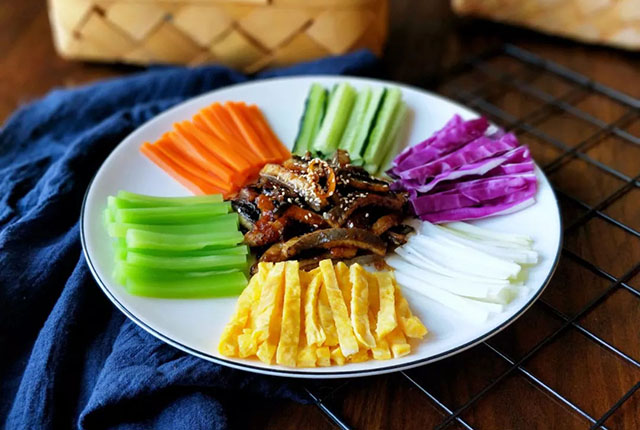
Understanding this roasting difference makes the unagi vs anago choice easier even before tasting. Patented low-fat roasting and deodorizing methods also help keep unagi from tasting greasy, a complaint some diners raise about lower-grade imports. For kitchens that need precise formats, custom cutting — shredding, dicing, strip-cutting, chunk-cutting, 3-section cut, or sushi slices — reduces back-of-house prep, whether you're building a bowl like the one in our eel rice bowl toppings guide or testing a batter application similar to the texture notes in our eel tempura vs shrimp tempura comparison.
Common Sourcing Mistakes When Buyers Compare Unagi vs Anago
Buyers new to unagi vs anago importing often trip on these points:
- Not checking species labeling. "Eel" on an invoice can mean either species — confirm Anguilla japonica versus conger eel before signing a purchase order.
- Skipping traceability questions. Ask for farm registration and lot-level traceability; without it, residue testing claims are hard to verify.
- Ignoring cold-chain specs. Eel quality drops fast once a batch leaves proper freezing; confirm cold storage capacity and shipping temperature records.
- Comparing price per kilo without checking yield. Boneless, pre-cut unagi reduces kitchen waste; a cheaper bone-in product can cost more after labor and trim loss.
- Over-saucing during recipe testing. A heavy glaze mistake is often a ratio problem — see our kabayaki sauce recipe guide for fixing over-sweet batches.
Sourcing Frozen Unagi or Anago for Restaurants and Retail
Eelpro operates two production lines — frozen roasted eel and deep-processed aquatic products — with combined output of 4,000 tons of finished goods a year. Supply comes from around 20 customs-registered eel farming bases covering 2,150 mu, each tracked from farm registration through process verification and targeted sampling. A 1,000-ton cold storage facility keeps batches stable between production and shipment, which matters more for unagi than anago — fat oxidizes faster than lean conger eel flesh during storage, so cold-chain consistency protects flavor longer.
Every lot passes through our in-house laboratory and metal detectors at critical control points, under ISO 22000:2018 and HACCP systems, with HALAL certification covering applicable product lines. Farms supplying raw material run under the same traceable farming program, covering over 5,000 tons of raw eel annually across 19 self-operated and cooperative bases. The same unagi vs anago logic applies when selecting packaging formats — skin-packaging suits restaurant portion control, while gift boxes fit retail and seasonal promotions.
For importers evaluating unagi vs anago supply contracts across Japan, the US, Germany, Poland, the EU, Australia, Indonesia, and Southeast Asia, product specs are built against veterinary drug residue and microbiological checks under Japanese, US, and EU inspection standards — the same compliance bar whether the order is destined for a Tokyo izakaya chain or a Polish foodservice distributor. Beyond eel, the same cold-chain and lab standards apply across our frozen seafood line. Standard orders run about 30 days from confirmation to shipment, negotiable by spec and quantity, with MOQ terms differing for catering chains, wholesalers, and export traders.
Unagi vs Anago Buyer's Decision Checklist
Whether you're plating sushi tonight or placing a container order, the unagi vs anago call comes down to fat, sauce, and format. Run through this list before you commit:
- Confirm species — Anguilla japonica (unagi) vs conger eel (anago)
- Match fat profile to the dish: rich/smoky = unagi, light/clean = anago
- Check sauce compatibility — heavy tare needs unagi's fat to balance it
- Verify cutting spec: sushi slices, 3-section cut, strip-cut, or dicing
- Ask for traceability documentation and cold storage shipping records
- Review certification: ISO 22000, HACCP, HALAL, export registration
- Confirm lead time — roughly 30 days from order confirmation to shipment, negotiable by spec and volume