


Knowing the Sushi Name for Eel Saves You From Ordering the Wrong Fish
You're staring at a Japanese menu. Two words jump out: unagi and anago. Both get translated as "eel" in English — but they're not the same fish, and ordering the wrong one means a different texture, a different price, and sometimes a different fat content entirely. The sushi name for eel actually changes depending on the species, the cut, and whether you're eating nigiri or a roll. Here's the exact breakdown.
Why One Fish Word Covers Three Different Names
In Japanese cuisine, "eel" is not one ingredient — it's a category. The most common species on sushi menus is unagi, the freshwater eel known scientifically as Anguilla japonica. It's rich, fatty, and almost always served grilled. Then there's anago, the saltwater conger eel — leaner, milder, and traditionally simmered rather than deep-grilled.
Here's where confusion starts: both get served as nigiri, both get glazed in a soy-based sauce, and both get called "eel" by English-speaking staff trying to keep things simple. But a chef who trained properly will never swap one for the other without saying so. If your menu just prints "Eel Nigiri" with no Japanese term next to it, that's your cue to ask which one it actually is.
A Menu-Name Map That Separates Freshwater Eel, Saltwater Eel, Nigiri and Rolls
Since readers keep asking the same handful of questions, here they are answered directly — no guessing required.
What is the sushi name for eel when it's freshwater?
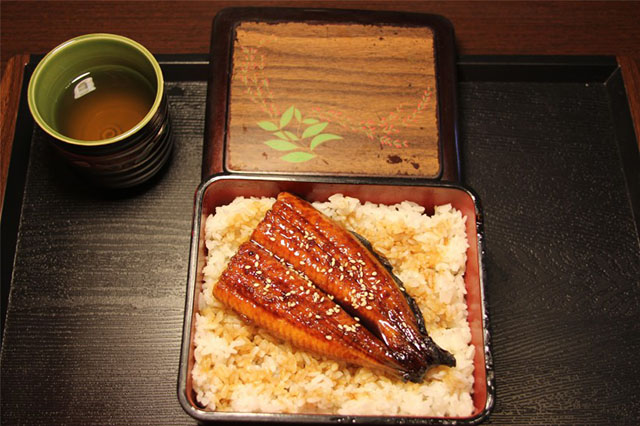
Unagi. It's almost always prepared kabayaki-style: butterflied, skewered, grilled, and basted repeatedly with a sweet soy glaze. This is the fattier, richer eel, and the one most unagi kabayaki eel products on the export market refer to.
What about saltwater eel on a sushi menu?
Anago. It's leaner than unagi, usually simmered in a soy-sugar broth (nitsume) instead of heavily grilled, and has a softer, almost delicate bite. It's less common outside Japan because it's harder to source and process consistently.
What is eel nigiri actually called?
If it's unagi, it's unagi nigiri. If it's anago, it's anago nigiri. There's no single universal "eel nigiri" name in Japanese — the species is always part of the name.
What is an eel sushi roll called?
The classic combination is unakyu maki — "una" from unagi, "kyu" from kyuri (cucumber). If you've seen it labeled simply "eel roll" or "unagi roll" on a Western menu, that's a simplified version of the same name.
| Japanese Term | English Meaning | Species | Typical Serving |
|---|---|---|---|
| Unagi | Freshwater eel | Anguilla japonica | Grilled (kabayaki), nigiri, over rice (unadon) |
| Anago | Saltwater conger eel | Conger myriaster | Simmered, nigiri, milder glaze |
| Unagi nigiri | Grilled eel over pressed rice | — | Topped with sweet soy tare |
| Unakyu maki | Eel and cucumber roll | — | Rice, nori, cucumber, grilled unagi |
| Kabayaki | Not a species — a cooking method | — | Butterflied, basted, grilled |
Cold knowledge worth remembering: the word "kabayaki" is believed to come from "kaba," meaning cattail reed, because early preparations skewered the fish whole to resemble a reed stalk before the butterflied style became standard.
Common Ordering Mistakes That Lead to the Wrong Eel on Your Plate
- Treating unagi and anago as interchangeable — they differ in fat content, price, and preparation. Asking "unagi or anago?" costs nothing and avoids disappointment.
- Not questioning a plain "Eel Nigiri" listing — if the species isn't named, ask before ordering, especially at non-Japanese-run restaurants.
- Confusing the sauce with the fish — the sweet glaze on top is tare or eel sauce, and it actually contains no eel at all. It's a soy-mirin-sugar reduction.
- Assuming "eel sushi" always means grilled — anago can be lightly simmered, not torched, so the texture will be noticeably softer than expected.
What to Check Before You Buy Frozen Unagi for Home Sushi Nights
If you're sourcing eel for home cooking or for a restaurant kitchen, the right sushi name for eel on the label only tells you half the story. Here's a short checklist before you commit to an order:
- Species confirmation — look for Anguilla japonica or a clearly stated freshwater eel origin, not a generic "eel" label.
- Preparation stage — is it pre-glazed kabayaki, or plain roasted "shirayaki" (white-roasted) for seasoning yourself?
- Cutting spec — nigiri needs whole fillets, rolls need strip-cuts, rice bowls can use chunk-cuts. Mismatched cuts mean extra prep labor.
- Cold-chain and certification — for export orders, confirm ISO 22000, HACCP, or HALAL certification and check if the supplier runs its own eel lab for residue and microbiological testing.
A supplier like frozen eel supplier operations with traceable farming bases will usually list the farm registration number on the spec sheet — that's a reliable sign the fish actually is what the label claims.
A Quick Scenario — Restaurant Menu vs Home Kitchen
Say you're at a Japanese restaurant chain and the menu lists "Unagi Nigiri $6" next to "Anago Nigiri $5." The price gap usually reflects fat content and sourcing cost — unagi is farmed, richer, and more in demand globally. If you want the bite that most people picture when they say "eel sushi," order unagi. If you want something lighter with a subtler glaze, try anago once to compare.
At home, the math changes. Buying frozen kabayaki eel means you skip the grilling step entirely — just thaw, warm gently, and slice. This is exactly the shortcut used when you make unakyu maki at home: pre-glazed eel, a sheet of nori, cucumber strips, and rice vinegar seasoning. No torch, no soy-reduction simmering from scratch — just assembly.
A Few Limits Worth Knowing
This naming system applies to Japanese-style sushi menus specifically. Chinese, Korean, or fusion restaurants sometimes use "eel" loosely for species that aren't unagi or anago at all — river eel dishes in other Asian cuisines don't follow this naming convention. And not every kitchen sources true Anguilla japonica; some use related freshwater eel species farmed outside Japan, which is common and not inherently lower quality, but worth asking about if species accuracy matters to you.
If you're sourcing frozen unagi kabayaki or eel sauce for a restaurant menu or retail line, request a spec sheet or sample batch before committing to a full order — it's the fastest way to confirm species, cut, and glaze match what your menu promises. Feel free to drop your own eel-ordering mix-ups in the comments, or browse our other guides on cutting and preparing eel at home.