

Understanding Eel in Japanese Cuisine for Your Menu
For international restaurant chains and food importers, menu accuracy is non-negotiable. Many menus use "unagi" and "anago" interchangeably, but for discerning customers in markets like Japan, the US, and the EU, this distinction is significant. Understanding the correct term for eel in Japanese cuisine is not just about authenticity; it's about managing customer expectations and ensuring your product descriptions align with what you are sourcing. Getting it wrong can affect flavor perception, perceived value, and even import classifications.
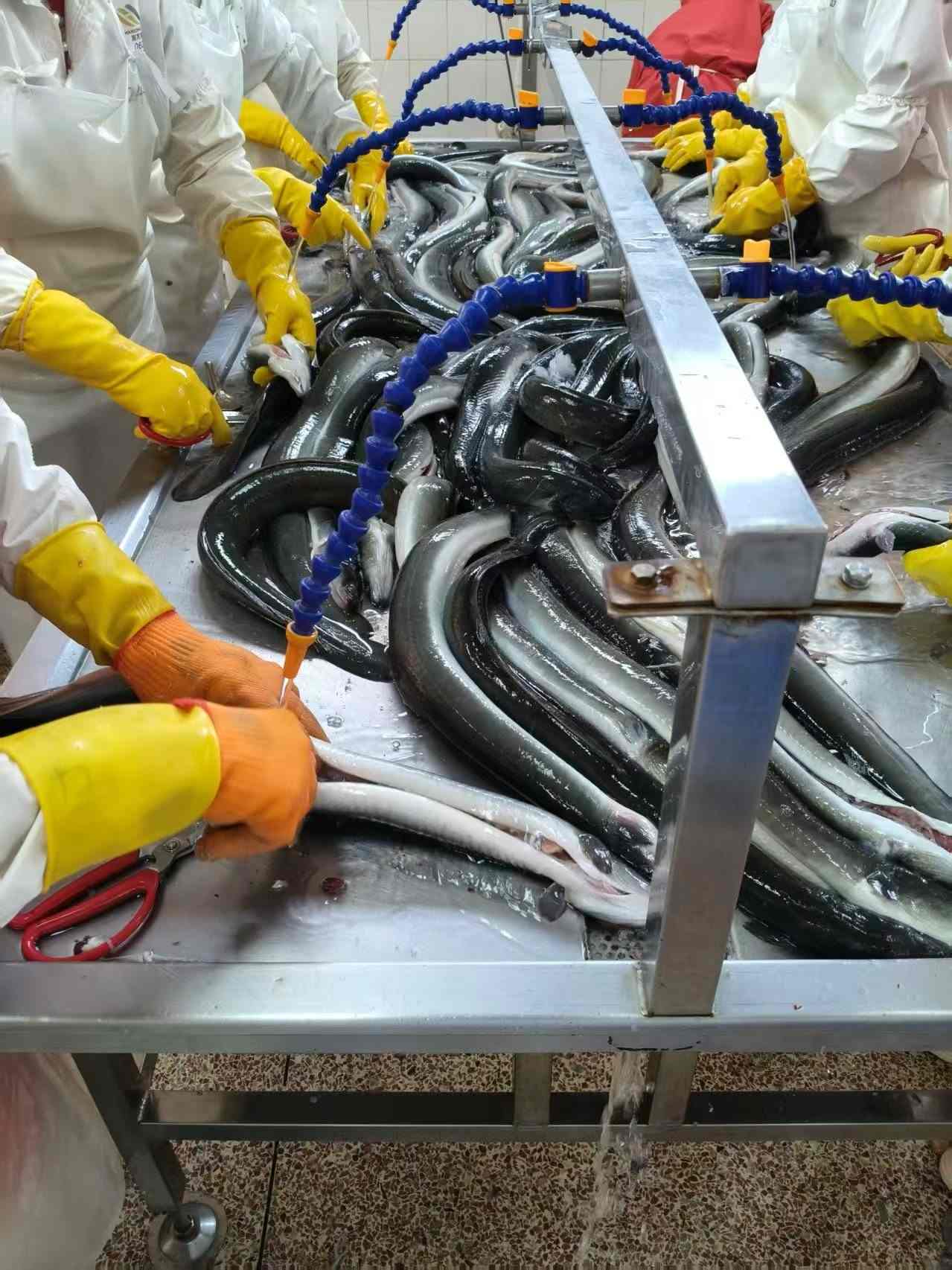
As a certified supplier with a 4,000-ton annual production capacity, we help clients in Germany, Poland, and Australia navigate these details. The primary distinction lies in the species and habitat: Unagi is freshwater eel, while Anago is saltwater eel. This fundamental difference impacts everything from taste and texture to the ideal cooking method and price point. This guide provides the clear, actionable information you need to label your menus correctly and source the right product for your business.
Action-Focused Menu Labeling: Unagi vs. Anago Explained
Incorrectly labeling your eel dishes is a common mistake that can mislead diners and misrepresent your product's value. Unagi is generally richer, bolder, and more expensive, making it a premium offering. Anago is lighter, softer, and more delicate. Using the terms correctly demonstrates culinary expertise and justifies pricing. The choice between them depends entirely on the flavor profile, texture, and preparation style you want to feature.
Use this comparative table to make informed decisions for your menu descriptions, procurement, and staff training.
| Attribute | Unagi (うなぎ) - Freshwater Eel | Anago (あなご) - Saltwater Eel |
|---|---|---|
| Species & Habitat | Primarily refers to the Japanese eel (Anguilla japonica). A freshwater species that is often farmed to ensure consistent supply and quality. | Refers to conger eels, specifically the white-spotted conger (Conger myriaster). A saltwater species that is typically wild-caught. |
| Flavor Profile | Rich, bold, and fatty with a satisfying umami depth. The higher fat content absorbs sauces well, particularly the sweet and savory kabayaki glaze. | Subtle, delicate, and lean with a clean, sweet flavor. It has a much lighter taste that can be overpowered by heavy sauces. |
| Texture | Firm, meaty, and slightly chewy. The skin becomes pleasantly crisp when grilled properly. The flesh is substantial and holds its shape. | Extremely soft, fluffy, and light. It can almost melt in your mouth. The texture is less firm and more delicate than unagi. |
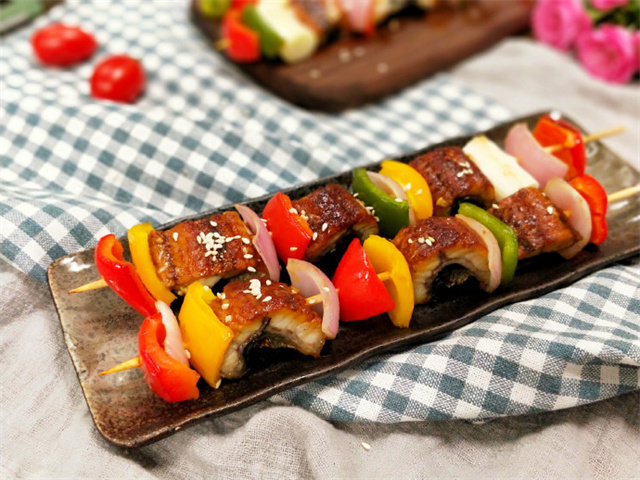
| Common Preparation | Most famously prepared as Kabayaki: grilled and basted with a sweet soy-based eel sauce (tare). Also popular in Unadon/Unaju (rice bowls) and as a premium sushi nigiri topping. | Often simmered (ni-anago) in a sweet, savory broth or lightly battered and fried for tempura. As sushi, it's served with a lighter, less intense sauce than unagi. |
| Menu Application | Use "Unagi" for: Rich, grilled eel dishes. Kabayaki, Unadon, Hitsumabushi, and premium sushi rolls where the bold flavor is the star. | Use "Anago" for: Lighter preparations. Tempura, simmered dishes, and delicate sushi where a soft texture is desired. |
| Sourcing Consideration | Farmed supply offers high consistency in size, fat content, and quality. Ideal for large-scale foodservice operations needing standardized products. | Wild-caught supply can lead to variations in size and quality. Often considered a more seasonal ingredient. |
For most foodservice applications requiring consistency and a robust flavor that stands up to grilling and sauces, unagi kabayaki is the industry standard. Its reliable supply chain and rich taste make it a staple for restaurant chains in Japan, the United States, and beyond.
Sourcing Traceable Unagi: A Buyer's Quality Checklist
The quality of your final dish begins with the raw material. For unagi, this means full-chain traceability from the farm to your facility. Inconsistent sourcing leads to variable product quality, potential safety issues, and supply chain disruptions. As a supplier to demanding markets like the EU and Japan, we have built our operations around verifiable quality control at every stage.
International buyers should use a checklist to vet potential suppliers. This ensures the product not only tastes good but also meets critical safety and import standards, helping you avoid trade risks.
Buyer's Decision Checklist for Sourcing Frozen Unagi
- Farm Registration & Certification: Does the supplier operate or partner with certified farms? Ask for proof. We manage ~20 customs-registered unagi eel farms covering over 2,150 mu. This ensures a stable supply of over 5,000 tons of high-quality raw eel annually and allows for targeted sampling and traceability.
- Processing Facility Certifications: Is the factory certified under globally recognized food safety standards? Look for ISO 22000:2018 and HACCP. These are baseline requirements for export to the US and EU. Our facility also holds HALAL certification and an Export Food Producer Registration Certificate, meeting diverse market needs from Indonesia to Germany.
- In-House Quality Control Infrastructure: What systems are in place to monitor quality? A supplier should have more than just paperwork. Our team includes 25 dedicated technical and quality-control specialists. We operate our own professional laboratory for microbiological and residue testing, and we use metal detectors at critical control points.
- Cold Chain Management: How is product integrity maintained after production? Proper storage is vital. We operate a 1,000-ton cold storage facility, ensuring our products are held at stable temperatures from processing through to shipment, guaranteeing quality upon arrival.
- Export Compliance Record: Can the supplier provide evidence of successful exports to your region? Ask for case studies or references. We have a long-term supply record to Japanese restaurant chains, US food importers, and distributors across the European Union, demonstrating our ability to meet stringent veterinary drug residue and microbiological standards.
Reducing Back-of-House Costs with Standardized Eel Products
For large-scale catering chains and foodservice distributors, kitchen efficiency is paramount. Processing whole eel is labor-intensive, time-consuming, and creates inconsistency. Sourcing ready-to-heat, pre-processed eel products directly addresses these challenges, reducing labor costs and ensuring a uniform customer experience across all locations.
Our processing capabilities are designed specifically for the foodservice supply chain. We leverage patented technologies and precise production standards to deliver a product that is both high-quality and easy for kitchen staff to handle.
Common Processing Mistakes That Increase Kitchen Costs
Here are frequent issues that arise from in-house processing and how sourcing from a specialized supplier resolves them:
- Mistake 1: Inconsistent Deboning. Manually deboning eel is difficult and often leaves small bones, creating a negative customer experience and a safety hazard.
- Our Solution: Our products are fully boneless/deboned, eliminating this risk and the skilled labor required to perform the task.
- Mistake 2: Uneven Cooking and Sauce Application. Achieving the perfect kabayaki glaze requires precise temperature control. In-house grilling can lead to burnt spots or undercooked portions.
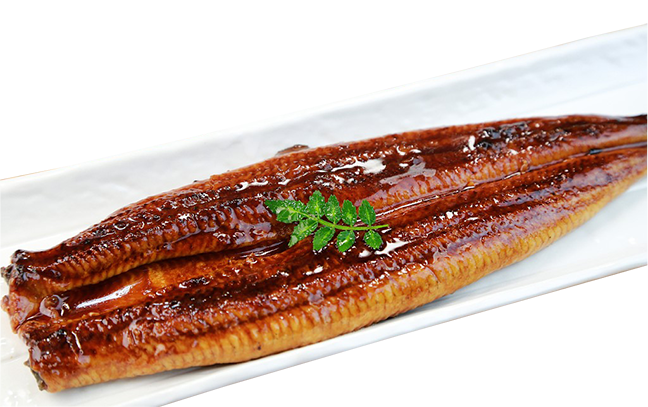
- Our Solution: We use an export-grade roasting process with 4 precise layers of soy sauce application at controlled temperatures. Our patented low-fat roasting and deodorizing technology ensures a consistent, non-greasy finish every time.
- Mistake 3: Inefficient Portioning. Manual cutting leads to waste and inconsistent portion sizes, impacting cost control and plate presentation.
- Our Solution: We offer custom cutting specifications, including shredding, dicing, strip-cutting, 3-section cuts, and perfect sushi slices. This standardization simplifies inventory management and guarantees consistent portioning.
- Mistake 4: Long Prep Times. Thawing, cleaning, gutting, deboning, skewering, grilling, and saucing take up valuable kitchen time.
- Our Solution: Our frozen unagi kabayaki is a ready-to-heat product. It drastically reduces back-of-house processing, allowing staff to focus on final assembly and service.
By partnering with a specialized unagi kabayaki manufacturer, you convert a variable, high-labor menu item into a predictable, high-margin one. This is how we support foodservice channels in Southeast Asia, Australia, and the US.
For buyers looking to source finished products that meet the high standards of eel in Japanese cuisine while optimizing kitchen workflow, our standardized and customizable options provide a reliable solution. Our typical order delivery time is approximately 30 days from confirmation to shipment, with negotiable MOQs based on your specific product and packaging needs.
To receive a full product specification sheet or to discuss your custom cutting and packaging requirements, please contact our export team.