

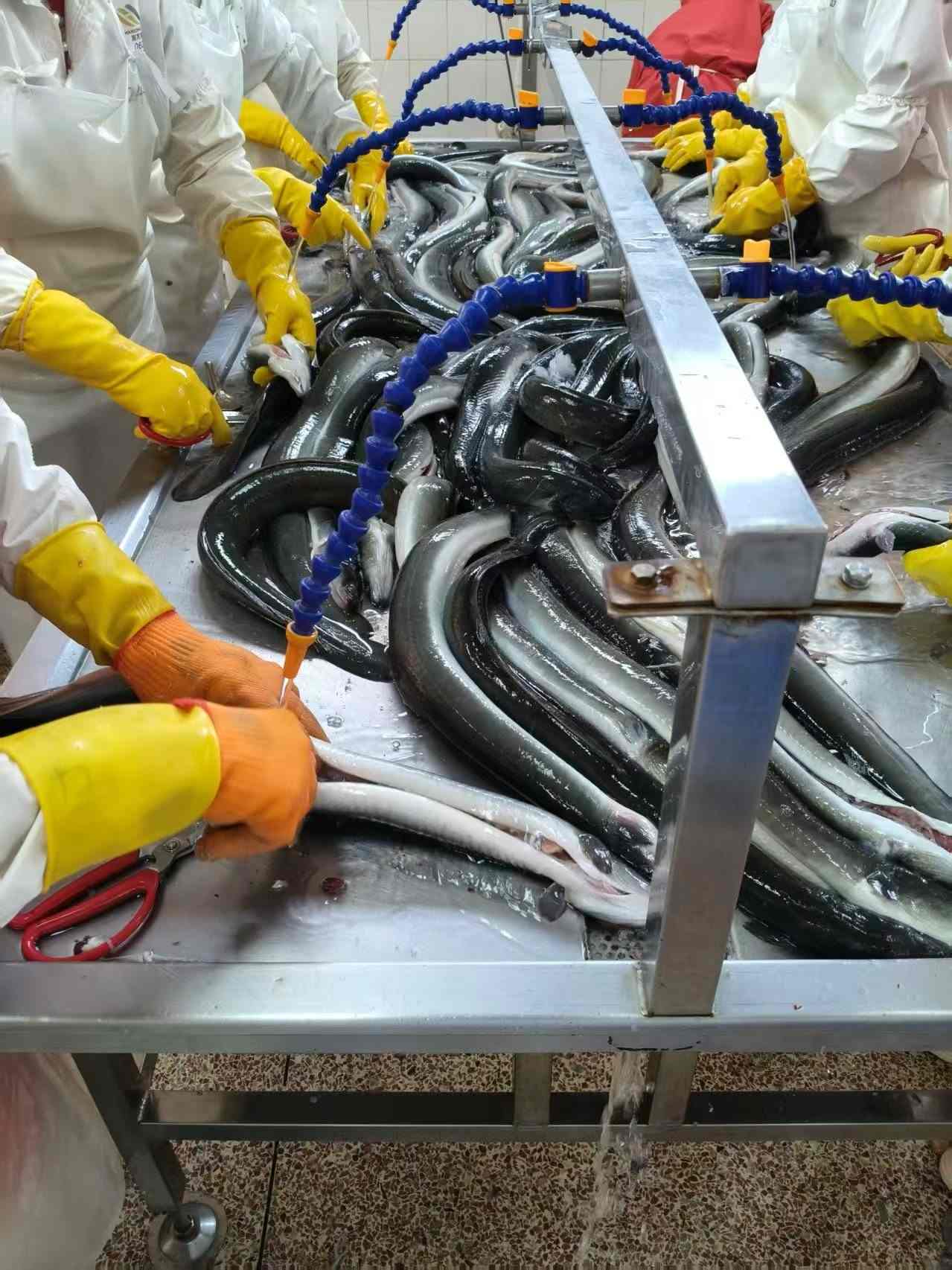
What Is Anago and How Its Soft Texture Is Made
A piece of eel can look simple on sushi rice, yet its texture tells a whole story. If you have tasted a mild, soft, flaky eel that almost breaks apart under the brush of sauce, you may be asking what is anago and why it feels so different from grilled unagi.
Anago is a Japanese name for conger eel, a saltwater eel commonly prepared for sushi, rice bowls, and light simmered dishes. The main point is texture. While unagi is usually grilled and glazed, anago is often simmered or steamed until the flesh becomes pale, tender, and easy to separate with chopsticks.
Recognize Anago by Its Appearance, Flavor, and Bite
For diners, what is anago is often easiest to answer at the sushi counter. It is usually served as a longer, lightly colored piece of eel over rice, sometimes finished with a sweet soy-based sauce. Its flavor is gentle and clean rather than smoky. The flesh should feel soft, not chewy.
The useful buying conclusion is straightforward: choose anago when the menu needs a delicate seafood item with a mild profile. It fits sushi bars, Japanese tasting menus, and lighter rice dishes. It does not fit every application. A chef looking for a rich grilled aroma, dark caramelized glaze, or a firmer bite will usually prefer unagi kabayaki instead.
| Feature | Anago | Unagi | Best Fit |
|---|---|---|---|
| Main type | Saltwater conger eel | Freshwater eel | Menu planning and product identification |
| Common preparation | Simmered or steamed | Grilled and glazed | Sushi versus grilled rice bowls |
| Texture | Soft, flaky, delicate | Richer, denser, more structured | Guests with different texture preferences |
| Color on service | Often pale or lightly sauced | Usually darker from roasting and sauce | Visual menu presentation |
| Flavor direction | Mild and lightly sweet | Roasted, savory, sweet | Pairing with rice, soup, or sushi |
One common mistake is assuming all Japanese eel sushi is unagi. That can lead to the wrong menu description and the wrong guest expectation. When someone asks what is anago, explain that it is usually identified by its softer bite and gentler cooking method, not just by its shape.
How Simmering or Steaming Creates Anago’s Mild Soft Flaky Texture
The preparation answer to what is anago begins with moisture. Simmering and steaming use gentle, moist heat rather than direct roasting. This helps the flesh soften gradually while preserving its light character. The result is the tender, flaky texture that makes anago popular for nigiri.
For chefs, the conclusion is clear: use moist heat when the goal is soft flakes and a clean finish. Use grilling only as a brief finishing method, if needed. Long or aggressive dry heat can make the flesh contract, dry out, and lose the delicate quality diners expect.
A Practical Preparation Sequence
- Clean and portion the eel carefully. Remove unwanted membrane and handle the fillet gently. Uneven trimming can cause thin areas to overcook before thicker areas soften.
- Choose a light simmering liquid. A mild broth or lightly seasoned liquid supports the eel instead of covering it. This suits sushi service and refined Japanese dishes. It is less suitable when the menu calls for a heavily charred or sauce-forward result.
- Maintain gentle heat. The liquid should move softly rather than boil aggressively. Strong bubbling can break the fillet apart too early and produce a rough surface.
- Allow the flesh to relax. The goal is a tender structure that separates into moist flakes when pressed lightly. If the eel still feels springy or resistant, it has not softened enough for the intended sushi-style texture.
- Cool or hold with care. Rough handling after cooking can tear the softened flesh. Support the fillet from underneath when moving it to a tray or cutting board.
- Finish with restraint. A light brush of sauce adds shine and sweetness. Too much sauce hides the mild taste that distinguishes anago from grilled eel preparations.
This method explains what is anago in practical terms: it is not merely a species name on a menu. It describes an eating experience shaped by careful moist-heat cooking.
Common Failures When Cooking Soft Eel
- Failure: the eel turns firm and tight. Cause: heat was too aggressive or too dry. Fix: return to a gentler simmering or steaming approach. This does not apply when a firm grilled texture is the stated menu goal.
- Failure: the flesh falls apart before plating. Cause: excessive movement in the cooking liquid or rough handling after cooking. Fix: use calm heat and support the fillet fully when lifting.
- Failure: the flavor tastes flat. Cause: the cooking liquid and final sauce were both too weak. Fix: build mild seasoning in layers rather than adding a heavy glaze at the end.
- Failure: the sauce overwhelms the eel. Cause: treating anago like a dark grilled kabayaki dish. Fix: apply a thin finish. A heavier sauce profile is better reserved for roasted freshwater eel.
Compare Anago and Unagi Before Writing a Sushi Menu
Understanding what is anago helps chefs avoid a familiar menu problem: using “eel” as a catch-all description. That wording may be simple, but it does not tell guests whether they will receive a soft simmered conger eel or a sweet, roasted freshwater eel.
Anago works well when a sushi chef wants a lighter finish after richer fish courses. Unagi works well when the menu needs a warm, savory centerpiece with stronger roasted notes. Neither is automatically better. The right choice depends on the dish, sauce level, and guest expectation.
| Service Scenario | Recommended Direction | Why It Fits | When It Does Not Fit |
|---|---|---|---|
| Traditional-style nigiri selection | Anago | Soft flakes and mild flavor suit a refined sushi finish. | Not ideal for guests asking for a smoky grilled eel flavor. |
| Sweet glazed rice bowl | Unagi kabayaki | Roasted eel and sauce create a fuller, richer bowl. | Less suitable for a very light seafood menu. |
| Japanese tasting menu | Anago or unagi, course-dependent | Anago can follow richer courses; unagi can act as a warm highlight. | Do not use one name for both products. |
| Fast casual Japanese foodservice | Prepared unagi kabayaki | Ready-to-heat portions support consistent service. | Not a replacement for a chef-made simmered anago program. |
For a restaurant that needs reliable roasted freshwater eel, our unagi kabayaki product is the more relevant sourcing direction. Eelpro supplies frozen unagi kabayaki rather than presenting it as anago. Clear species and preparation language protects menu accuracy.
Use Texture Checks Before Serving Anago Sushi
When training staff, do not stop at asking what is anago. Teach a tactile and visual check. A well-prepared piece should look moist, sit gently over the rice, and separate in light flakes when eaten. It should not look shrunken, stringy, or dry at the edges.
- Check the surface: It should appear moist and smooth, not cracked or hardened.
- Check the cut: The slice should stay intact during placement but yield easily when picked up.
- Check the bite: The flesh should feel tender first, then flake apart without prolonged chewing.
- Check the sauce: Use only enough to complement the fish. If the sauce is the first flavor guests notice, reduce it.
- Check the rice pairing: The rice should support the eel, not overpower it with excessive seasoning or density.
Here is a useful cold fact for home cooks and menu writers: anago and unagi are not interchangeable names, even though both may appear as “eel” in casual conversation. If your supplier label only says eel, ask for the species, production method, cut format, and intended preparation before building a dish around it.
Choose the Right Eel Format for Foodservice Purchasing
Buyers researching what is anago may also be comparing it with ready-to-serve eel products for sushi bars, Asian restaurants, and retail programs. The sourcing decision should start with the labor available in the kitchen. A restaurant with trained seafood staff may handle more preparation steps. A chain operation may need standardized, ready-to-heat portions.
For unagi programs, Eelpro has two modern production lines for frozen roasted eel and deep-processed aquatic products, with annual finished-goods capacity of 4,000 tons. Our frozen roasted eel uses a 4-layer soy-sauce coating process, supported by patented low-fat roasting and deodorizing technology. This is a better fit for buyers seeking a roast-and-glaze profile, not for buyers requiring traditional simmered conger eel.
Foodservice buyers can also compare our eel sauce product page when sauce consistency is part of the menu specification. Sauce should be assessed separately from the eel itself: sweetness, brushability, packing format, and intended dish all affect the final result.
Buyer Checklist for Eel Product Selection
- Name the species clearly. Ask whether the item is conger eel or freshwater eel. Do not accept “eel” alone if menu accuracy matters.
- Match the cooking style to the menu. Select simmered-style anago for soft sushi service; select kabayaki for roasted, glazed dishes.
- Confirm the cut requirement. Eelpro can provide shredding, dicing, strip-cutting, chunk-cutting, three-section cuts, and sushi slices for applicable products.
- Review food safety documents. Eelpro holds ISO 22000:2018, HACCP, HALAL certification, export food producer registration, and an SC food production license.
- Ask about traceability. Our supply chain includes approximately 20 customs-registered farming bases covering 2,150 mu, with traceability from farm through shipment.
- Plan storage capacity. Our 1,000-ton cold storage facility supports product storage and cold-chain logistics. Confirm your own receiving and frozen-storage capability before ordering.
Pair Soft Anago Texture with the Right Flavors
Once you understand what is anago, pairing becomes easier. Its mild character suits subtle partners: seasoned sushi rice, cucumber, light egg preparations, gentle soy-based sauces, and clear soups. Strong smoke, heavy chili, or thick sweet glaze can bury the fish. Those bolder combinations often suit unagi better.
For a home sushi night, keep anago-style service simple: place the soft eel over rice, brush lightly, and add a restrained garnish. For a restaurant menu, describe the item honestly as simmered conger eel if that is what it is. If the dish uses grilled freshwater eel, state unagi or kabayaki. Guests notice the difference.
For more ideas on matching sauces and grilled eel dishes, explore our kabayaki sauce article. If you are building an eel menu or sourcing frozen unagi for your operation, request a product specification or sample discussion from Eelpro.