

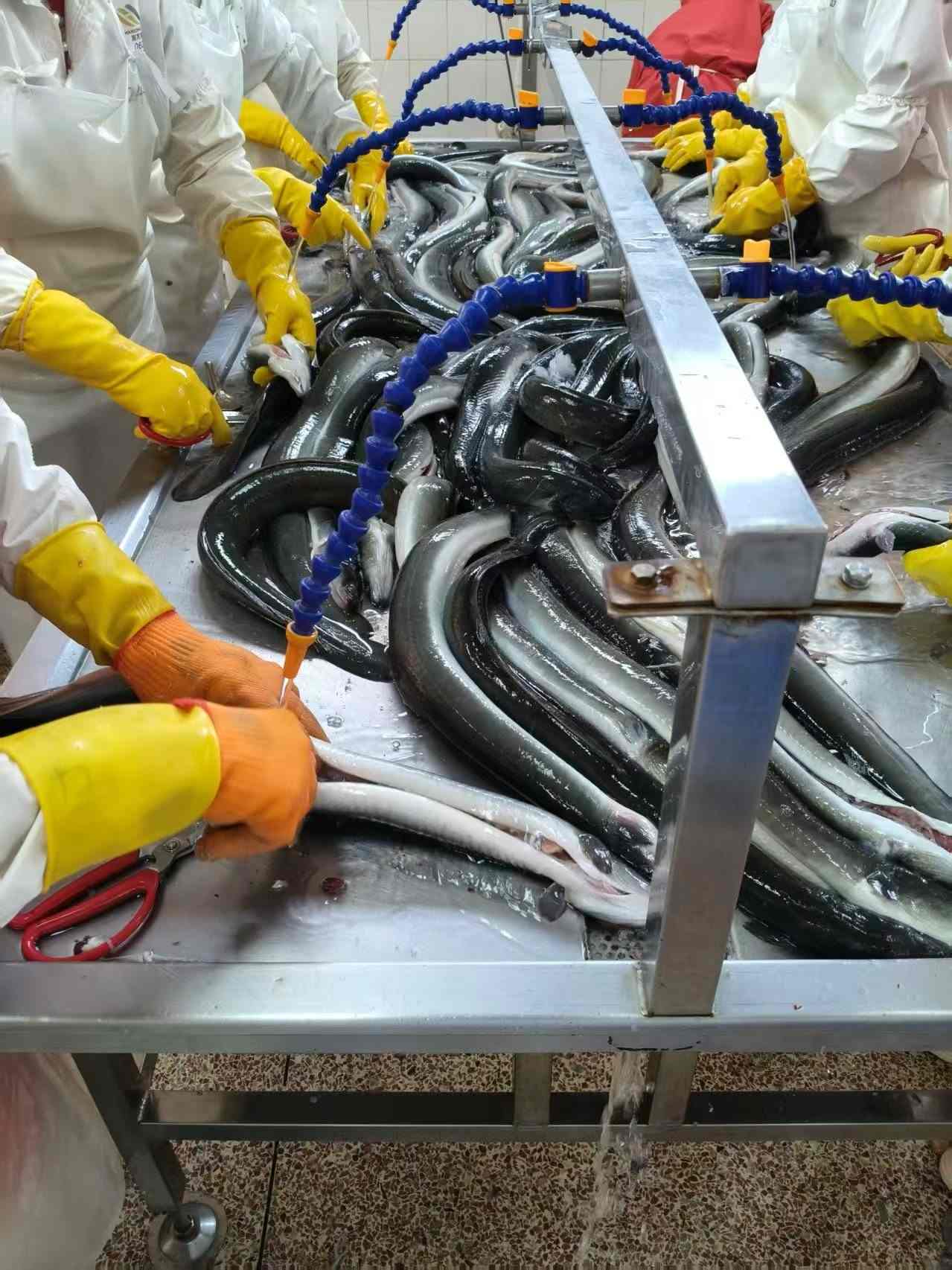
The True Anago Meaning for Seafood Buyers
In the world of Japanese cuisine, precision in language is everything. For seafood importers and distributors, mistaking one eel for another can lead to dissatisfied clients and menu inconsistencies. So, what is the correct anago meaning? Simply put, anago (穴子) is the Japanese term for saltwater conger eel. It is fundamentally different from its more famous cousin, unagi (freshwater eel), and understanding this distinction is key to making smart sourcing decisions.
This isn't just a matter of translation; it's a matter of texture, flavor, and culinary application. Choosing the wrong eel can completely alter a dish. Anago offers a delicate, soft, and less oily profile, while unagi is prized for its rich, bold, and fatty character. For a B2B buyer, knowing when to specify one over the other impacts everything from cost to final plate presentation. This guide breaks down the essential differences that matter for your business.
Anago vs. Unagi: A Technical Breakdown for Your Menu
The most frequent question we encounter is, "Is anago the same as unagi?" The answer is a definitive no. While both are eels used in Japanese cooking, they belong to different species and have distinct biological and culinary properties. Sourcing the wrong one is a common and costly mistake. An error here can lead to a dish that is texturally wrong—imagine a greasy tempura or a bland kabayaki. Below is a direct comparison of the key parameters that affect your final product.

Here’s what each of these differences means in practice for your kitchen or processing facility:
| Parameter | Anago (Saltwater Conger Eel) | Unagi (Freshwater Eel) | Why It Matters for Buyers |
|---|---|---|---|
| Species | Mainly Whitespotted conger (Conger myriaster) | Mainly Japanese eel (Anguilla japonica) | Species dictates all other factors. Verifying the scientific name on sourcing documents prevents mislabeling and ensures you receive the product with the expected fat content and texture. |
| Habitat | Marine (saltwater) | Freshwater (rivers, lakes) | The saltwater habitat of anago results in a leaner body composition. Unagi's freshwater environment contributes to its higher fat reserves, which it needs for long migrations. |
| Fat Content | Low | High | This is the most critical culinary differentiator. Anago's low-fat meat is light and fluffy. Unagi's high fat content makes it rich, robust, and ideal for grilling, as the fat renders and crisps the skin. |
| Flavor Profile | Subtle, delicate, sweet | Rich, bold, savory (umami) | Anago's mild flavor complements light sauces and preparations. Unagi's strong flavor can stand up to a thick, sweet-and-savory kabayaki sauce. Using our premium eel sauce on anago would overpower it. |
| Texture | Very soft, fluffy, almost melts | Firm, meaty, slightly chewy | Anago's delicate texture makes it perfect for gentle cooking methods like simmering or light frying. Unagi's firm texture holds up well to intense heat from grilling. |
| Common Preparation | Simmered (nitsume), tempura, sushi | Grilled (kabayaki), steamed | You cannot simply substitute one for the other. Anago falls apart if grilled like unagi. Unagi can become tough if simmered for too long. Each requires a specific cooking method to shine. |
Identifying Quality Anago: A Buyer's Sourcing Checklist
When adding anago to your product line, consistent quality is paramount. Unlike the more standardized unagi kabayaki eel market, anago products can vary. Use this checklist during sourcing and inspection to ensure you're getting a premium product that will perform well for your customers.
A low-quality batch can be mushy, have an off-putting odor, or lack the characteristic sweetness. These issues are often traced back to poor handling, incorrect freezing protocols, or sourcing eels harvested at the wrong time of year. Summer is typically considered the best season for anago, as they are at their most flavorful.
Buyer's Inspection Checklist for Frozen Anago
- Flesh Color and Luster: The cooked flesh should be a clean, off-white color. Avoid any product with gray or yellow discoloration, as this can indicate oxidation or improper storage. The skin side should have a healthy, natural sheen, not a dull or dry appearance.
- Texture and Firmness: Even when frozen, the fillet should feel solid. When thawed, the flesh should be soft but hold its shape. If it feels mushy or watery to the touch, it suggests poor freezing techniques (e.g., slow freezing, which creates large ice crystals that damage cell walls) or that the eel was not fresh when processed.
- Workmanship (for Processed Fillets): Check for clean, precise cuts. The deboning should be thorough. A common quality issue is the presence of fine, hair-like bones, which is unacceptable for high-end applications like sushi. Ensure the belly cavity is perfectly clean.
- Glazing and Packaging: The protective ice glaze should be thin and clear, completely encasing the fillet to prevent freezer burn. Cloudy or thick glazing can sometimes be used to hide surface imperfections. Packaging must be vacuum-sealed and intact to maintain quality during transit and storage.
- Aroma: Upon thawing, the anago should have a clean, slightly sweet smell of the sea. Any strong "fishy" or ammonia-like odor is a clear sign of decomposition and the product should be rejected immediately.
Culinary Applications and Market Positioning
Understanding the saltwater eel meaning extends to knowing its place on the menu. Anago is not a direct substitute for unagi; it serves a different culinary purpose and appeals to a different palate. Positioning it correctly is key to sales success.
Classic Anago Dishes
The delicate nature of anago makes it a star in preparations where its texture and subtle flavor can be appreciated. It excels in:
- Anago Nigiri: This is perhaps its most celebrated form. A piece of simmered anago is draped over a ball of sushi rice, often with a single drop of a sweet, reduced soy sauce called nitsume. Unlike the rich unagi nigiri, anago nigiri is known for its exceptionally soft, melt-in-your-mouth texture.
- Anago Tempura: Because of its low fat content, anago fries beautifully. The flesh becomes light and fluffy, encased in a crispy, non-greasy batter. It's often served with a pinch of sea salt and a wedge of lemon to highlight its natural sweetness.
- Anakyu Maki: A classic sushi roll combining simmered anago with crisp cucumber. The textural contrast between the soft eel and the crunchy cucumber is a hallmark of this dish.
In contrast, the robust flavor of unagi is perfectly suited for dishes like Unadon (grilled eel over rice), where its richness is balanced by steamed rice and a generous coating of thick, sweet kabayaki sauce. As a leading unagi kabayaki manufacturer, we have perfected the grilling process to bring out the best in this freshwater eel, a method that would not work for anago.
Market Positioning for B2B Clients
For distributors and food service providers, position anago as a premium, delicate option for authentic Japanese restaurants, sushi bars, and Izakayas. It appeals to diners seeking a lighter, more refined seafood experience. Unagi, on the other hand, has broader market appeal and is a staple for rice bowl concepts, casual dining, and retail-ready frozen meals.
While we at Eelpro specialize in providing high-quality freshwater eels, understanding the entire eel market, including the anago definition and its applications, helps our clients make more informed decisions for their entire seafood portfolio.
For details on our frozen unagi kabayaki or bulk eel sauce, please contact our technical team to discuss your specific product requirements.