

What Makes Unagi Glaze Consistent Enough for Commercial Foodservice Use
A kitchen manager pulls a new case of eel glaze off the truck, opens it, and finds it's thinner than last month's batch. The broiler line is already backed up. Does the chef adjust cook time, dilute less, or just wing it? That's the exact problem operators run into when a unagi glaze supplier doesn't control batch-to-batch viscosity. Consistency isn't a nice-to-have here — it's what keeps plating times, portion costs, and flavor identical across every ticket, every shift, every location.
This article breaks down what actually determines whether a commercial unagi glaze performs reliably at scale — not the homemade version, but the kind distributors stock and restaurant chains build menus around.
Why Viscosity Consistency Is the Real Differentiator (Not Just Flavor)
Most buyers evaluate eel glaze by taste alone during sampling. That's a mistake. Flavor matters, but viscosity is what determines whether the product behaves the same way on Tuesday as it did on Monday. Here's what each parameter actually controls in a working kitchen, and what goes wrong when it's off:
| Parameter | What It Affects in Practice | What Happens If Wrong |
|---|---|---|
| Viscosity (thickness) | Glaze adhesion to skin during broiling; coating uniformity across a tray of fillets | Too thin: glaze runs off, burns unevenly, weak visual sheen. Too thick: clumps, uneven caramelization, wasted product |
| Sugar-to-soy ratio | Caramelization speed under a broiler or torch; balance of sweet vs. umami on the palate | High sugar with short broil time = pale, under-glazed appearance. Low sugar = bitter char before color develops |
| Batch-to-batch color depth | Plate presentation consistency across multiple cooks and shifts | Inconsistent color reads as inconsistent quality to repeat customers, even if taste is unchanged |
| Salt concentration | Shelf stability and how much the glaze can be diluted or stretched without losing flavor | Under-salted batches spoil faster once opened; over-salted batches force chefs to cut portions or adjust other dishes |
| Packaging format | Portion control, waste, and how fast a kitchen burns through inventory | Bulk drums without resealing lead to oxidation and flavor drift after a few days of daily use |
If a supplier can't explain their tolerance range on viscosity and salt content, that's a signal to ask more questions before committing to a large order.
How to Choose Unagi Glaze for Foodservice: A Buyer's Checklist
Sampling one jar isn't enough. Operators sourcing at volume should test across at least two production batches before signing a contract. Use this checklist during evaluation:
- Request two separate batch samples, not from the same lot — test if color, thickness, and taste match
- Check the ingredient label for eel-derived stock vs. artificial flavoring — real unagi tare should list fish stock or bonito-based reduction, not just soy and sugar
- Ask about shelf life unopened vs. opened — frozen and refrigerated glazes behave differently once a kitchen starts dipping into daily use
- Confirm packaging options — 1kg pouches for single-location restaurants vs. bulk drums for distributors supplying multiple accounts
- Test under your actual broiler or torch setup, not a demo kitchen — heat source changes how the glaze caramelizes
- Get a written spec sheet covering viscosity range, salt %, and recommended dilution if any
This process takes maybe two weeks longer than picking based on a single tasting, but it avoids a much bigger problem: reformulating a menu item three months in because the glaze supply changed.
Common Mistakes Restaurants Make When Switching Eel Glaze Suppliers
Switching suppliers to save a few cents per unit is common. It also causes more plating complaints than almost any other ingredient swap in a Japanese-style menu. Typical mistakes:
- Assuming "eel sauce" is interchangeable across brands — sugar ratios vary widely, so the same brush technique produces different results
- Not retraining line cooks on new viscosity — a thicker glaze needs a lighter hand or it pools and burns
- Skipping a side-by-side plate test with the old and new product before rolling out to all locations
- Ignoring shelf stability data — some glazes separate after opening and need shaking or gentle reheating before use
- Buying based on price per liter without checking usage yield — a thinner glaze often means using more per dish, which erases the savings
A mid-size Japanese restaurant chain switching suppliers should budget for a two-week parallel test period, running both products on the line before fully cutting over.
Using Eel Glaze in Commercial Kitchens: Applications Beyond Kabayaki
Kabayaki-style grilled eel is the obvious use case, and pairing frozen unagi kabayaki with a matched glaze keeps that dish predictable across shifts. But a good commercial unagi glaze earns its shelf space by working across the menu:
- Donburi rice bowls — drizzled over grilled protein and rice for a quick, high-margin lunch item
- Sushi rolls — a thin brush coat on unagi or eel-topped rolls; viscosity needs to be thinner here than for broiler applications
- Glazed proteins beyond eel — chicken, salmon, or tofu benefit from the same umami-sweet profile
- Noodle dishes — a spoonful stirred into broth adds depth without needing a separate sauce prep
- Grab-and-go bento — shelf-stable glaze holds up better than fresh reductions for cold-chain distribution
Kitchens experimenting with new formats can find practical starting points in existing recipe content, including unagi ramen preparation and donburi topping ideas, both of which rely on the same base glaze principles discussed here.
Shelf Stability and Packaging: What Distributors Should Ask For
Packaging isn't just logistics — it determines how the glaze performs after it leaves the supplier's facility. Key questions for a unagi glaze supplier:
| Packaging Format | Best For | Shelf Stability Note |
|---|---|---|
| Single-serve pouches (100-250g) | Small restaurants, food trucks, low-volume menus | Minimizes oxidation exposure; higher cost per unit |
| 1-2kg foodservice jars | Mid-size restaurants with daily eel dish turnover | Reseal tightly after each use; refrigerate once opened |
| Bulk drums (5kg+) | Distributors, catering operations, multi-location chains | Requires proper decanting practice to avoid contamination across batches |
| Frozen format | Long-haul export, cold-chain distribution | Longest shelf life; needs planned thaw time before service |
Distributors sourcing frozen eel products alongside glaze should confirm both share compatible cold-chain requirements — mismatched thaw times between frozen seafood and sauce inventory create bottlenecks during prep.
What a Reliable Supplier Relationship Looks Like
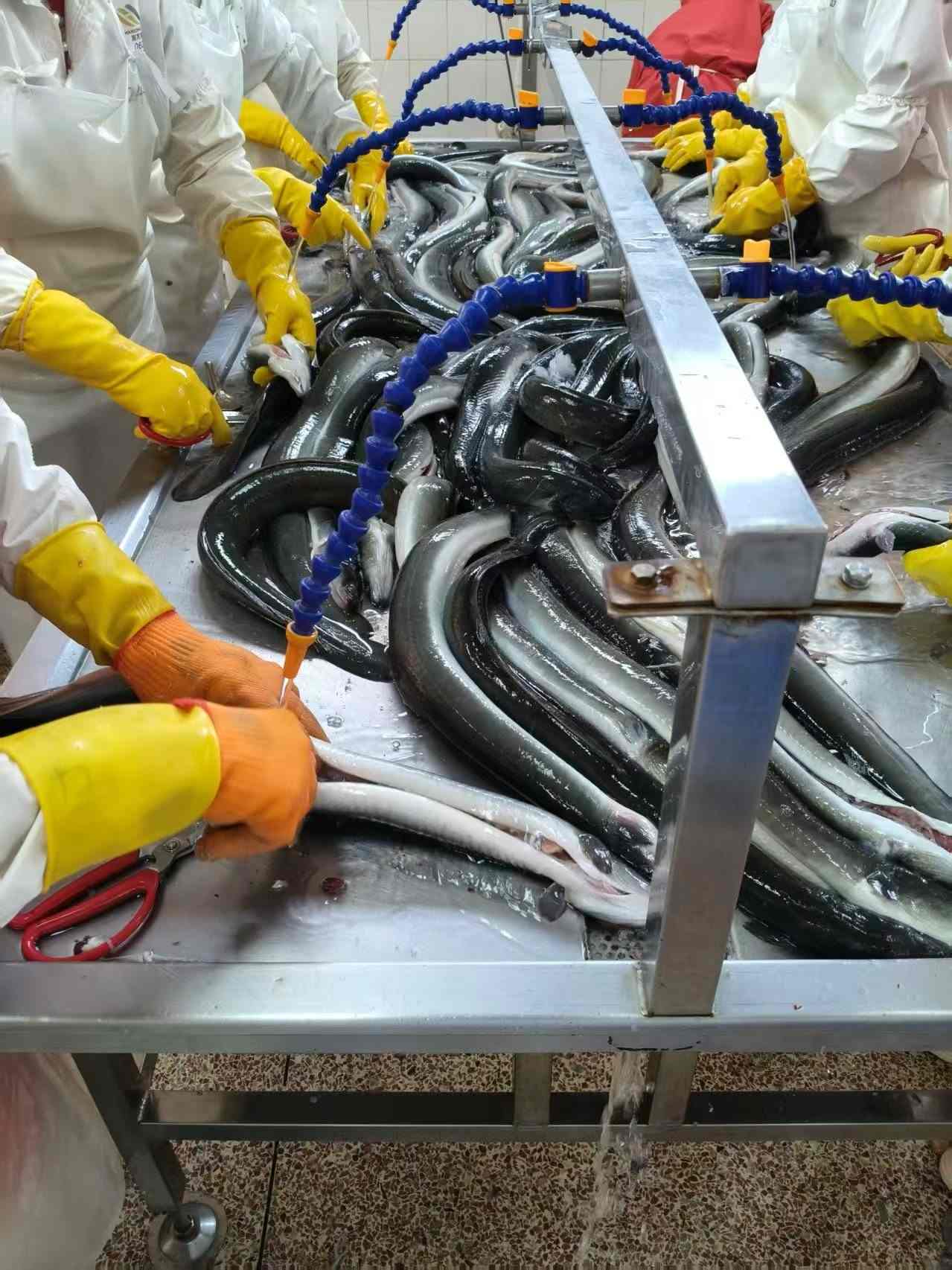
Consistency isn't only about the product formula — it's about whether the supplier can reproduce that formula reliably shipment after shipment. Ask about their production process, not just their finished product. A supplier producing both eel sauce and kabayaki from the same facility tends to have tighter quality control, since the glaze is often developed alongside the fish it's meant to coat, not formulated separately by a third party.
For background on how sauce quality affects the finished dish, the article on kabayaki sauce and flavor consistency covers the relationship between glaze composition and final plate results in more depth. Buyers troubleshooting inconsistent batches may also find the breakdown in fixing common glaze flavor mistakes useful when auditing a current supplier's output.
Freshwater eel farming practices also influence glaze quality indirectly — eel fat content affects how well a glaze adheres and caramelizes. Details on sourcing standards are outlined on the eel farm page, and quality testing procedures are described on the eel lab page.
Frequently Asked Questions
How do I choose unagi glaze for foodservice use?
Test at least two production batches for viscosity and color match, confirm the ingredient list includes real fish stock rather than artificial flavoring, and request a written spec sheet with salt percentage and dilution guidance before ordering in volume.
What makes a consistent unagi glaze?
Tight control over sugar-to-soy ratio, salt concentration, and viscosity across every production batch. A consistent glaze produces the same color, thickness, and caramelization time under the same broiler settings, shift after shift.
How do I use eel glaze in commercial kitchens beyond grilled eel?
Brush it thin for sushi rolls, drizzle it over donburi bowls, glaze other proteins like chicken or salmon, or stir a spoonful into noodle broth. Each application needs a slightly different viscosity, so ask your supplier if they offer format variants.
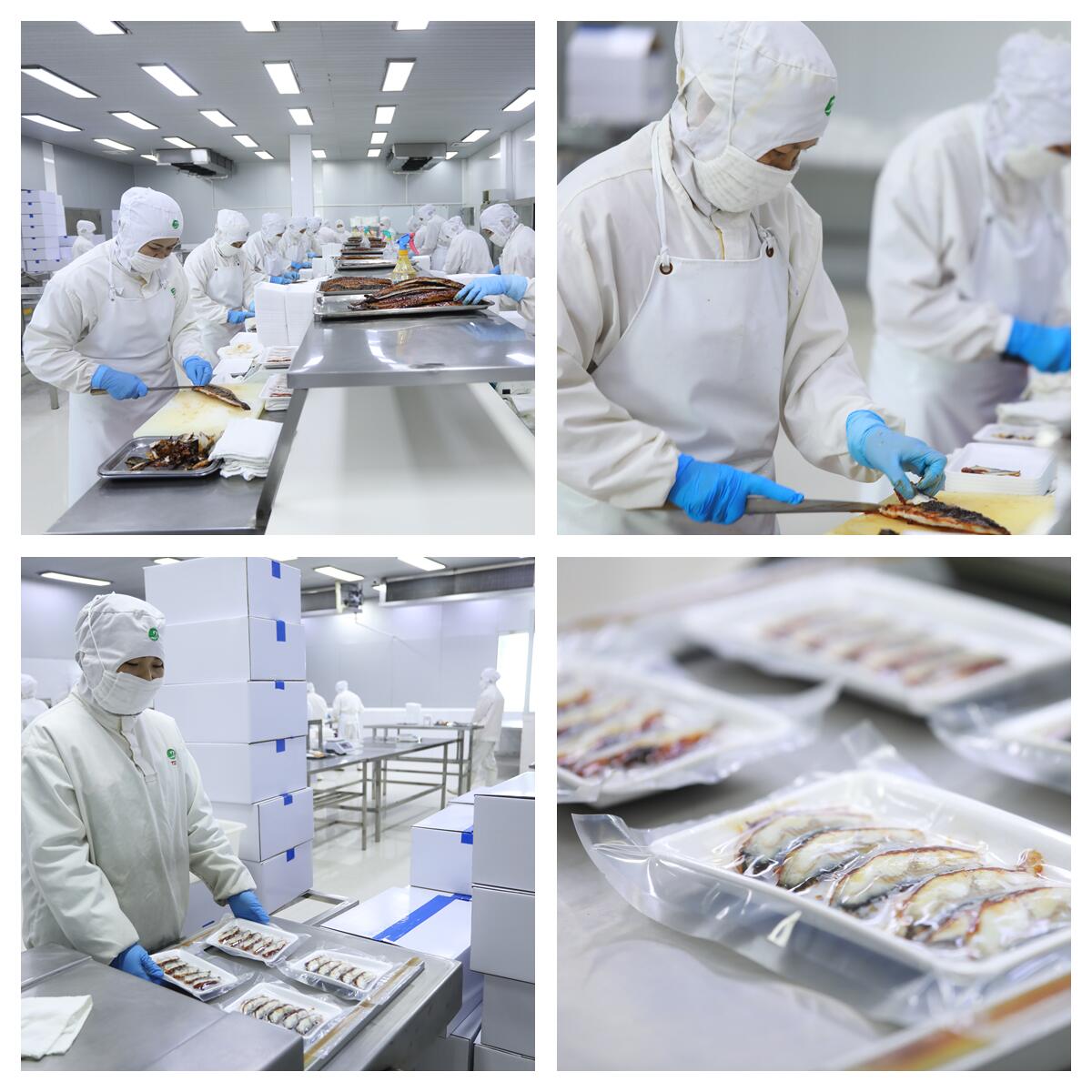
Foodservice buyers evaluating a new eel glaze supplier can request batch samples and a spec sheet directly — reach out to compare viscosity and shelf-life data before your next menu planning cycle.