

What Every Buyer Should Check Before Sourcing Unakyu Roll Ingredients
A restaurant chain in the Gulf region once rejected an entire container of frozen eel because the fillets cooked up mushy and fell apart in the roll. The supplier's spec sheet said "grade A." It wasn't. That single miscommunication cost weeks of delay and a menu launch pushed back by a month. This is the real risk behind sourcing a unakyu roll ingredient — the sheet can say one thing, and the product can behave completely differently under heat, in a bamboo mat, or after 30 days in a freezer.
If you're an importer, distributor, or foodservice buyer trying to lock down unakyu sushi roll ingredients for a stable supply chain, this guide breaks down what actually matters — not just definitions, but the practical consequences of getting each spec wrong.
What Ingredients Are Used in an Unakyu Roll
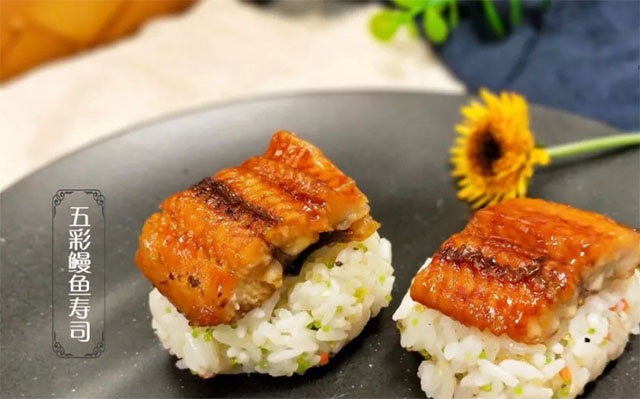
Unakyu is a Japanese sushi roll combining grilled eel (unagi) and cucumber (kyuri), wrapped in seasoned rice and nori. It's simple by design, which means every component carries more weight than in a roll with a dozen mixed elements. The core eel roll ingredient list looks like this:
- Freshwater eel — typically farmed unagi, butterflied, deboned, and grilled (kabayaki style)
- Unagi tare (eel sauce) — a soy-mirin-sugar glaze brushed onto the eel before and after grilling
- Sushi rice — short-grain rice seasoned with rice vinegar, sugar, and salt
- Nori — dried seaweed sheets used for rolling
- Cucumber — usually Japanese or Persian cucumber, deseeded, cut into thin batons
- Optional garnish — sesame seeds, scallion, or a light dusting of togarashi
Five main components. But each one has a quality range wide enough to make or break the finished dish — and wide enough to make or break a supplier relationship.
Eel Specification: The Ingredient That Decides Everything Else
Eel is the component buyers get wrong most often, because "unagi kabayaki" sounds like a single product when it's actually a spectrum of grades, sizes, and processing methods. Here's what each parameter actually affects on the plate — not just what it means on paper.
| Parameter | What It Actually Affects | What Goes Wrong If Ignored |
|---|---|---|
| Fillet size (grams per piece) | Portion consistency across rolls; plate cost calculation | Kitchens either under-portion (thin, dry rolls) or over-portion (blown food cost) |
| Fat content / origin | Texture after reheating; how well it holds together when sliced for rolls | Low-fat or overly lean eel turns fibrous and dry once thawed and grilled again |
| Bone removal quality | Customer safety, refund/complaint rate | Missed pin bones lead to complaints and, worse, injury claims |
| Glazing (pre-sauced or plain) | Flavor consistency; whether your kitchen needs its own tare | Pre-glazed eel with weak sauce forces the kitchen to re-glaze anyway — double labor |
| Freezing method (IQF vs block) | Thaw time, texture retention, waste rate | Block-frozen eel takes longer to thaw evenly and risks freezer burn on edges |
For high-volume foodservice, individually quick-frozen (IQF) fillets at a consistent weight band are worth paying a premium for — they thaw in under an hour under refrigeration and portion predictably. Buyers running tight food-cost margins should request the fillet weight range in writing, not just "grade A" language, before confirming an order. Reviewing a supplier's frozen eel supplier profile alongside actual sample cuts is the only way to confirm these details match the paperwork.
Eel Sauce: The Component Most Buyers Underrate
Unagi tare looks simple — soy sauce, mirin, sugar, sometimes eel bone stock for depth. But sauce viscosity and sugar ratio change how it behaves on grilled eel versus in a cold roll. A sauce built for hot kabayaki service can be too thin for a roll, sliding off instead of clinging to the fillet. Buyers sourcing separately need to specify use-case: dipping sauce, glazing sauce, or roll-ready sauce. Our own eel sauce line is formulated with the viscosity suited to cold application, which matters more than most buyers expect until they've had a batch weep liquid into the rice.
Common mistakes when sourcing eel sauce for rolls:
- Ordering a sauce designed for donburi (rice bowl) service and expecting it to hold on sushi-grade eel — it won't, it's too thin
- Not checking sugar content against local sweetness preference — Middle East and Southeast Asia markets often want it less sweet than the traditional Kanto-style tare
- Ignoring shelf life once opened — most tare holds well refrigerated for 4-6 weeks, but buyers rarely confirm this before large-volume ordering
For teams building their own glaze in-house instead of buying pre-made, this kabayaki sauce recipe guide walks through common ratio mistakes that cause sauce to break or turn bitter during reduction.
Rice, Nori, and Cucumber: The Overlooked Half of the List
Eel gets the attention. Rice, nori, and cucumber quietly determine whether the roll actually holds together on a buffet line or a delivery order.
Rice
Short-grain Japonica rice is non-negotiable — long-grain rice won't hold the sticky texture needed to roll cleanly. Vinegar-to-rice ratio matters too: too much vinegar and the rice turns mushy under humidity or steam-table heat; too little and the roll won't hold shape after 20 minutes on display.
Nori
Nori grade affects tear resistance and flavor. Lower grades crack when rolled tightly and taste flat. For high-turnover kitchens, mid-to-premium grade nori (usually labeled by sheet thickness and color depth) is worth the marginal cost difference — it's a few cents per roll but prevents visible tearing that customers notice immediately.
Cucumber
Japanese or Persian cucumber is preferred over standard slicing cucumber because of lower water content. Standard cucumber weeps liquid into the roll within an hour, softening the rice and nori. This is a small ingredient decision with a big shelf-stability impact for delivery and grab-and-go formats.
Buyer's Decision Checklist Before Placing an RFQ
Before requesting a quote on any batch of unagi roll components, confirm these points with your supplier in writing:
- Fillet weight range and grade definition (ask for the actual spec, not just "premium")
- Bone-removal method and any quality guarantee on pin-bone content
- Whether eel arrives pre-glazed or plain, and sauce type if pre-glazed
- Freezing method — IQF preferred for portion consistency
- Sauce viscosity and sugar ratio suited for cold roll application, not just hot service
- Shelf life and storage temperature for both eel (-18°C standard for frozen seafood) and sauce once opened
- Sample availability before committing to a full container order
Sourcing Ingredients for Unakyu Rolls: A Practical Procurement Path
For teams building out a menu program around unakyu or broader unagi dishes, a workable sourcing sequence looks like this:
- Request samples of frozen unagi kabayaki and eel sauce separately — never approve based on photos alone
- Test-cook and test-roll the sample under your actual kitchen conditions, not the supplier's demo conditions
- Check thaw behavior, bone content, and sauce cling on a cold roll specifically
- Confirm packaging format matches your storage and portioning workflow (bulk block vs individually vacuum-sealed fillets)
- Lock in a written spec sheet covering weight, grade, sauce type, and shelf life before the first commercial order
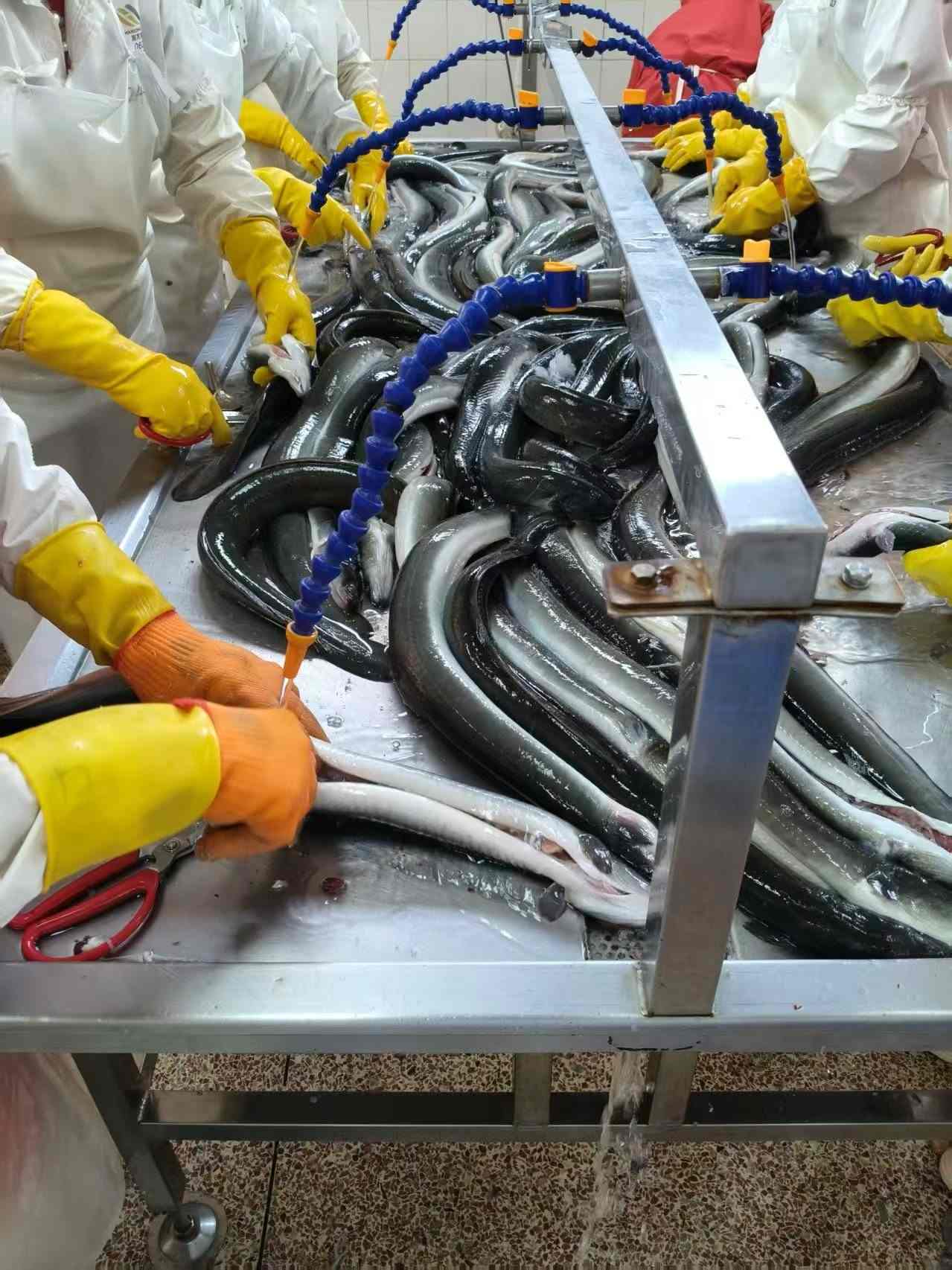
This is standard practice in broader sushi ingredient sourcing, not unique to eel — but eel carries more variability than tuna or salmon because grilling and glazing happen before freezing, adding more points where quality can drift between batches. Buyers evaluating a supplier's eel farm and eel lab operations tend to get more consistent batches than those buying purely on price per kilogram.
Cost Breakdown: Where the Money Actually Goes
| Component | Typical Share of Roll Ingredient Cost | Where Quality Trade-offs Happen |
|---|---|---|
| Eel (kabayaki) | 50-60% | Grade, fat content, bone removal |
| Sauce (tare) | 5-8% | Viscosity, sugar ratio, shelf stability |
| Rice | 15-20% | Grain type, vinegar ratio |
| Nori | 8-10% | Sheet grade, tear resistance |
| Cucumber and garnish | 5-7% | Water content, freshness |
Eel dominates cost and quality risk simultaneously — which is exactly why spec sheets need to be specific, not aspirational. Buyers who cut corners here to save 10-15% on unit cost often lose more in returns, complaints, and inconsistent plate presentation.
Cold-Knowledge Corner: A Detail Most Buyers Miss
Unagi and anago (conger eel) get confused constantly in sourcing conversations, even though they're different species with different fat content and texture. True unakyu should use freshwater unagi (Anguilla japonica or similar farmed species), not saltwater anago, which is leaner and cooks differently. If a supplier quotes an unusually low price on "eel roll filling," confirm the species — this is one of the more common substitutions in the wholesale seafood trade.
FAQ: Unakyu Roll Ingredient Sourcing
What ingredients are used in an unakyu roll?
Grilled freshwater eel, eel sauce (tare), seasoned sushi rice, nori, and cucumber form the base. Garnishes like sesame seeds or scallion are optional additions depending on the menu style.
How do I source ingredients for unakyu rolls reliably?
Request written specs on eel grade, fillet weight, sauce viscosity, and freezing method. Test samples under your own kitchen conditions before committing to volume orders, and confirm shelf life for both frozen eel and opened sauce.
What specifications matter most for unakyu roll ingredients?
Eel fillet weight and fat content, bone-removal quality, sauce sugar-to-viscosity ratio, rice grain type, and cucumber water content are the specs with the biggest impact on final roll quality and shelf stability.
Looking for a starting point? Browse our unagi kabayaki eel range or request a sample pack of frozen kabayaki and eel sauce to test in your own kitchen before placing a full order.