

The Nutritional Benefits of Eel Make It a Smart Protein Choice for Active Lifestyles
An athlete finishes a hard training session and reaches for something to eat. Chicken breast again? Salmon, maybe. But what about eel? Most people don't think of it first — and that's a missed opportunity. The nutritional benefits of eel include a rare combination of high-quality protein, omega-3 fatty acids, and fat-soluble vitamins that few other seafood options match in one package. For distributors, restaurants, and foodservice buyers stocking seafood menus, understanding what eel actually delivers — nutrient by nutrient — matters more than repeating generic health claims.
This guide breaks down eel nutrients with practical numbers, explains what happens when serving or sourcing decisions go wrong, and gives foodservice operators a checklist for buying frozen unagi kabayaki that holds up nutritionally and texturally after thawing.
What Nutritional Benefits Does Eel Provide, Exactly?
Eel is dense in nutrients relative to its calorie count, which is why it shows up in traditional diets across Japan, China, and parts of Europe as a recovery food, not just a delicacy. A typical 100g cooked serving of eel (unagi) provides roughly:
- Protein: 17-19g — comparable to chicken thigh, with a full amino acid profile
- Fat: 15-25g, largely unsaturated, including omega-3 fatty acids (EPA and DHA)
- Vitamin A: over 1,000 IU in many samples — among the highest of common seafood
- Vitamin B12: well above daily requirement per serving, supporting nerve function and red blood cell production
- Vitamin D, in meaningful amounts for a food source (uncommon outside fatty fish)
This is the direct answer to "what nutritional benefits does eel provide" — it's not one standout nutrient, it's the stack of several at once. Very few proteins hit protein, omega-3, vitamin A, and vitamin D targets simultaneously in a single 100g portion.
Eel Omega-3 Content and Why It Matters for Recovery
Omega-3 fatty acids — specifically EPA and DHA — are tied to reduced inflammation and cardiovascular support, both relevant for people training regularly. Eel's fat content is higher than lean white fish like cod or tilapia, and a meaningful share of that fat is unsaturated.
For active consumers, this matters in a specific way: post-exercise inflammation recovery benefits from omega-3 intake in the 24-48 hour window after intense training. A kabayaki serving with grilled eel and eel sauce glaze can contribute toward that intake without requiring a fish oil supplement.
Limit to know: eel's omega-3 content, while good, is generally lower than fatty cold-water fish like mackerel or wild salmon on a per-100g basis. If a buyer's positioning is "highest omega-3 seafood on the menu," salmon or mackerel wins that comparison. Eel's advantage is the combined nutrient profile — protein + omega-3 + vitamin A + B12 — not omega-3 alone.
Eel Protein Value Compared to Other Common Proteins
Here's where eel protein value sits next to familiar options, useful for menu planning or nutrition labeling conversations with buyers:
| Protein Source (100g cooked) | Protein (g) | Fat (g) | Omega-3 | Vitamin A |
|---|---|---|---|---|
| Eel (unagi) | 17-19 | 15-25 | Moderate | High |
| Chicken breast | 31 | 3.6 | Very low | Low |
| Salmon | 20-22 | 10-13 | High | Moderate |
| Cod | 18-20 | 0.7-1 | Low | Low |
| Beef (lean cut) | 26 | 15 | Very low | Low |
Chicken has more raw protein per 100g, but zero omega-3 and minimal vitamin A. Eel trades a bit of protein density for a broader nutrient spread — better suited to buyers marketing "functional" or "recovery" seafood items rather than pure bodybuilding protein counts.
How Can Eel Support an Active Diet — Practical Serving Guidance
For operators and end consumers alike, portion and preparation decide whether eel's nutritional value actually reaches the plate intact. A few rules:
- Serve size: 80-120g cooked portion per meal is enough to deliver a useful protein and omega-3 dose without excessive calorie load, since eel runs higher in fat than lean white fish.
- Avoid over-glazing. Traditional kabayaki sauce (unagi tare) adds flavor and some carbohydrate from the sugar-soy reduction, but heavy double-dipping increases sodium and sugar beyond what an active-diet meal needs. One balanced glaze layer is standard.
- Pair with vegetables or rice, not fried sides. Eel's fat content is already meaningful; stacking it with fried tempura sides pushes total fat too high for a "recovery meal" positioning.
- Reheat gently. Overcooking frozen kabayaki at high heat dries the flesh and can degrade some heat-sensitive B vitamins. A moderate oven reheat (around 180°C, covered, 8-10 minutes from frozen) preserves texture and nutrient retention better than high-heat grilling from frozen.
This answers the practical side of "how can eel support an active diet" — it's not just about the raw nutrient numbers, but how the product is served, reheated, and portioned in a real foodservice setting. Buyers exploring format ideas can review eel recipes for ways to work eel into higher-volume menu items without deep-frying.
Is Eel a Good Source of Omega-3 and Vitamin A — Sourcing Considerations That Affect the Answer
The honest answer is: it depends on the product you're buying, not just the species. Nutrient content in frozen eel products can shift based on how the eel was farmed, processed, and frozen. This is the differentiator most nutrition articles skip — and it's the one that actually affects a buyer's sourcing decision.
| Sourcing Factor | What It Actually Affects | Consequence If Ignored |
|---|---|---|
| Freezing method (blast vs. slow freeze) | Ice crystal size in muscle tissue, which affects fat retention and texture after thawing | Slow-frozen eel loses more moisture and some fat-soluble vitamins leach out during thaw drip loss |
| Farm feed quality | Fat composition of the eel, including omega-3 ratio | Poorly fed eel has lower usable fat content, weakening the omega-3 claim on packaging |
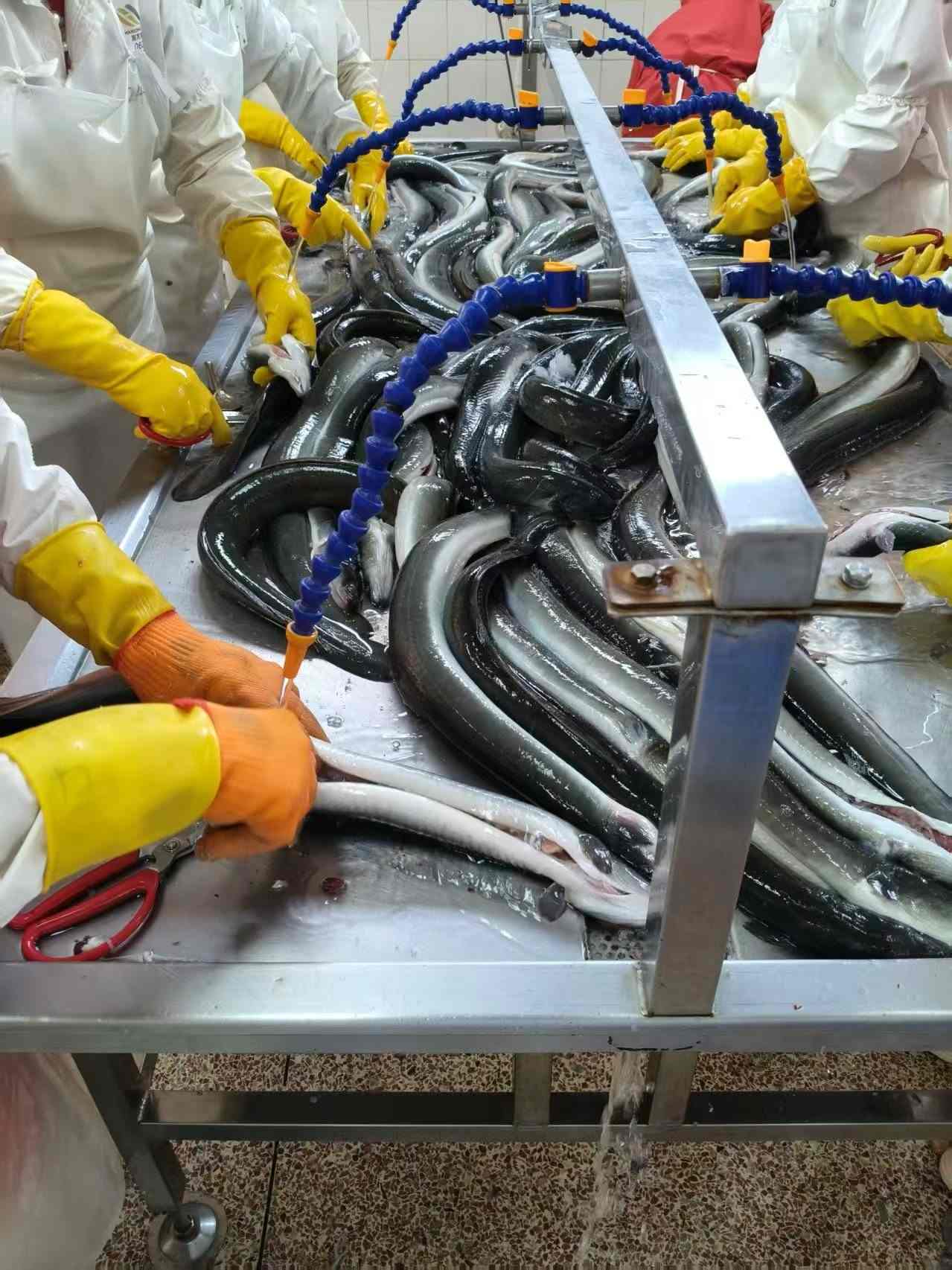
| Processing delay (catch to freeze time) | Vitamin B12 and vitamin D stability, both sensitive to prolonged cold-chain gaps | Extended delays before freezing reduce vitamin retention versus same-day processing |
| Cold chain consistency during shipping | Whether the product maintains -18°C or below throughout transit | Temperature fluctuation accelerates lipid oxidation, degrading omega-3 quality and shelf flavor |
For buyers asking "is eel a good source of omega-3 and vitamin A," the species-level answer is yes — but the shipment-level answer depends on these four factors. This is why sourcing from a supplier with traceable farm-to-freezer control matters more than nutrition claims printed on a spec sheet. Eelpro's eel farm and eel lab operations are built around this same-day processing principle, keeping the gap between harvest and freezing short enough to protect nutrient quality through shipping.
Common Mistakes Buyers Make When Evaluating Eel Nutrition Claims
- Assuming all "eel" products are equivalent. Freshwater eel, sea eel (conger), and processed kabayaki products carry different fat and protein profiles — confirm species before comparing nutrition sheets.
- Ignoring sauce composition in total nutrition figures. Unagi tare adds sugar and sodium; a nutrition label for "eel" alone won't match the final plated dish.
- Overlooking freeze-thaw cycles. Products that have been thawed and refrozen during transit show measurable drip loss — this is a quality issue, not just a food safety one.
- Comparing raw vs. cooked values. Nutrient density shifts after cooking due to moisture loss; always confirm whether a spec sheet is raw-weight or cooked-weight basis.
Buyer's Checklist Before Placing an Order
- Request the species confirmation (freshwater unagi vs. other eel species)
- Ask for freeze method and time-to-freeze from harvest
- Confirm cold chain temperature logs are available for the shipment
- Check whether nutrition data is raw or cooked basis
- Sample the product before committing to volume — texture after thawing tells you a lot about processing quality
Foodservice teams building out a broader seafood program can also look at frozen seafood options to diversify beyond eel while keeping the same cold-chain standards in place.
Eel won't replace every protein on an active-diet menu, and it shouldn't try to. It earns its place for a specific reason: it delivers protein, omega-3s, vitamin A, and B12 together, in one product, without needing a supplement stack alongside it. That's the practical case for stocking it — not marketing language, just what the nutrient table actually shows.
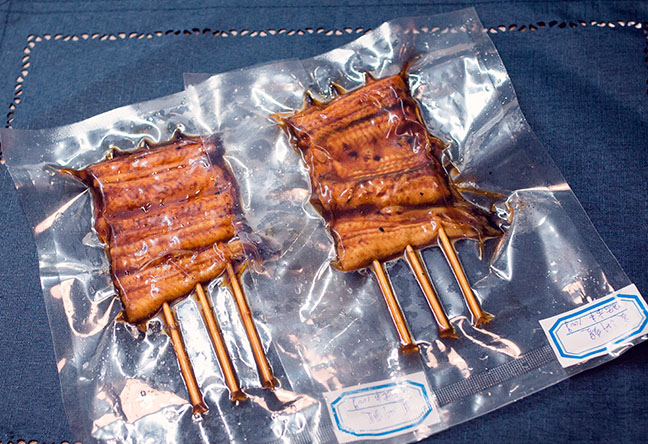
Buyers evaluating eel for an active-diet menu program can request a spec sheet or sample batch of frozen unagi kabayaki to check texture, fat retention, and cold-chain documentation before ordering in volume.