





How Sauce and Glaze Affect the Real Nutrition of Eel
As a quality assurance specialist, one of the most frequent questions I receive from food importers and distributors concerns nutritional labels. They often see two frozen eel products of the same weight but with vastly different calorie, sodium, and sugar content. The difference almost always comes down to one key factor: the glaze. Understanding the true nutrition of eel requires looking past the fish itself and analyzing the sauce it's coated in. Plain, roasted eel is a nutrient-dense food, but the moment you add a traditional kabayaki sauce, the entire profile changes.
This is not a matter of "good" or "bad" but of accuracy and transparency. For foodservice operators managing menu nutrition and for importers ensuring an accurate declaration for retail packaging, knowing precisely what that glaze adds is critical for business. At Eelpro, our ISO 22000:2018 certified processes ensure that what's on the label matches what's in the box, giving our partners in Japan, the US, and the European Union confidence in every shipment.
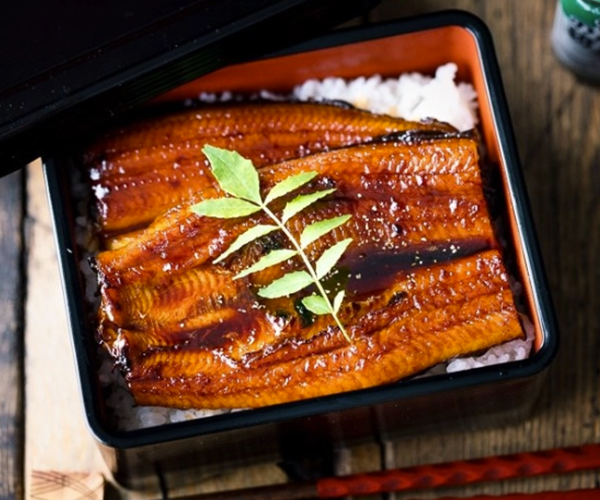
The Baseline: Nutritional Value of Plain, Unglazed Eel
Before we can assess the impact of sauces, we must first establish a baseline. Plain, steamed, or "white-roasted" freshwater eel is naturally rich in beneficial nutrients. It's a high-quality protein source packed with vitamins and healthy fats. Here’s a typical breakdown of what you can expect from the eel itself, before any flavor is added.
- High in Protein: Essential for muscle repair and overall body function, eel provides a complete protein profile.
- Rich in Vitamins A and E: These fat-soluble vitamins are powerful antioxidants. Vitamin A is vital for vision and immune function, while Vitamin E protects cells from oxidative damage.
- Excellent Source of Omega-3 Fatty Acids: Eel is particularly high in EPA and DHA, fatty acids known for supporting brain health and reducing inflammation.
- Contains Vitamin D: A crucial nutrient for bone health and immune system regulation, which is not found in many foods.
This strong nutritional foundation is why eel is prized in many cuisines. However, this is only half the story for most commercial products. The majority of prepared eel on the market, especially unagi kabayaki, is glazed. That glaze is what creates the signature sweet and savory flavor, but it also fundamentally alters the nutritional data.
How Kabayaki Sauce Transforms Eel's Nutritional Profile
The traditional kabayaki glaze, or tare, is typically made from a base of soy sauce, mirin (sweet rice wine), sugar, and sake. While delicious, these ingredients directly add sugars and sodium. The amount of glaze applied, its thickness, and its specific recipe can cause significant variations in the final product's nutritional values. As an importer or foodservice buyer, you need to know exactly how this transformation works.
Let’s compare a 100g serving of plain roasted eel with a 100g serving of our standard glazed unagi kabayaki. The eel itself is the same, but the addition of our four-layer sauce coating changes the numbers.
| Nutritional Component | Plain Roasted Eel (Approx. per 100g) | Glazed Unagi Kabayaki (Approx. per 100g) | Reason for Change |
|---|---|---|---|
| Calories | ~230-260 kcal | ~280-330 kcal | The sugar and mirin in the kabayaki sauce are primary sources of carbohydrates, which add calories. |
| Sodium | ~80-100 mg | ~500-750 mg | Soy sauce is the main ingredient in the glaze and is very high in sodium. The amount can vary based on the soy sauce's concentration. |
| Sugars | <1 g | ~15-22 g | This is the most significant change. The sugar and mirin in the sauce directly contribute to the high sugar content, creating the signature sweet flavor. |
| Protein | ~22-24 g | ~18-21 g | The protein value per 100g decreases slightly because the sauce adds weight (mostly carbs and water), displacing some of the eel meat in the same serving size. |
This comparison makes it clear: the glaze is not just a topping; it's a major nutritional component. For clients supplying health-conscious markets or institutions with strict dietary guidelines, understanding this difference is non-negotiable.
A Buyer's Checklist for Verifying Nutritional Claims
When sourcing frozen eel products, importers must perform due diligence to ensure the nutritional information is accurate and the product is safe. Misleading labels can lead to import rejections, regulatory fines, and loss of consumer trust. Over my decade in seafood quality assurance, I've developed a checklist to help our partners in Germany, Poland, and Australia evaluate potential suppliers.
- [ ] Request Full Ingredient Declaration for the Sauce: Don't just accept "kabayaki sauce." Ask for a breakdown. Does it use high-fructose corn syrup instead of sugar? What is the grade of the soy sauce? This impacts both flavor and nutritional content. Our eel sauce uses a traditional, well-defined recipe for consistency.
- [ ] Ask for Glaze-to-Meat Ratio: A supplier should be able to tell you the target percentage of glaze by weight. A higher glaze percentage means more sauce, which means higher sugar and sodium, and less eel for the price.
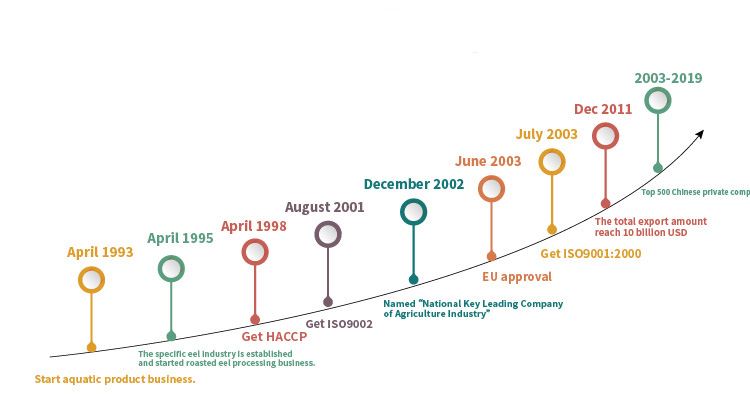
- [ ] Verify Food Safety Certifications: This is the most important step. Look for internationally recognized certifications. Our facility holds ISO 22000:2018, HACCP, and HALAL certifications, which are built on principles of transparency and traceability. These systems require us to validate our nutritional labels through regular testing.
- [ ] Inquire About Traceability Systems: Can the supplier trace the final product back to the farm? We manage this through our network of ~20 customs-registered eel farms. Full-chain traceability ensures the raw material itself is free from veterinary drug residues and meets EU and US import standards.
- [ ] Check for In-House Laboratory Testing: A serious manufacturer will have an in-house lab for quality control. Our professional eel lab and metal detectors at critical control points verify product safety and consistency, which underpins the reliability of our nutritional data.
- [ ] Request a Product Specification Sheet: This document should clearly list all nutritional information, ingredients, net weight, drained weight (if applicable), and storage instructions. It is a fundamental part of any B2B transaction.
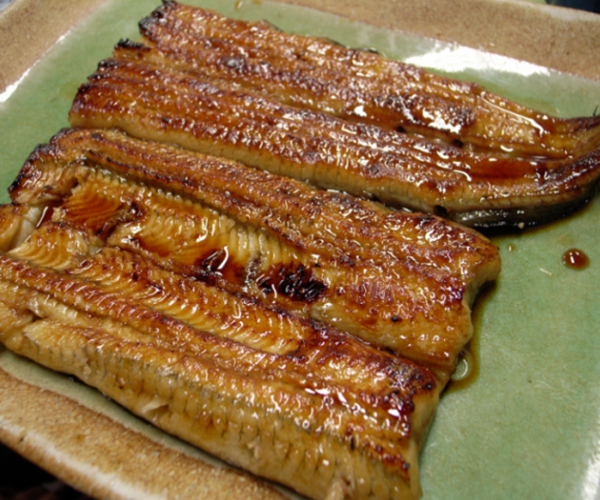
How Our Process Guarantees Consistent Quality and Nutrition
Delivering a product with a consistent nutritional profile order after order doesn't happen by accident. It is the result of rigorous process control, from the raw material to the final packaging. Our 4,000-ton annual production capacity is managed under a strict quality system designed for export compliance.
Here’s how our specific production methods contribute to a reliable product:
- Patented Low-Fat Roasting: Before glazing, the eel is roasted. Our patented low-fat roasting and deodorizing technology helps render excess fat, creating a better texture and a more consistent baseline product before the sauce is even applied. This step is crucial for standardizing the starting nutrition of the eel.
- Precision 4-Layer Sauce Application: We don't simply dip the eel. Our process involves four precise layers of soy sauce applied at different, temperature-controlled steps. We have established color standards for "white-roasted" and each of the four soy-sauce coatings. This meticulous method ensures that every fillet receives the same amount of glaze, preventing the wide nutritional variations seen in products with inconsistent sauce application.
- Standardized Cutting and Portioning: Whether it's sushi slices, dices, or cut pieces for foodservice chains, our equipment provides standardized portions. This ensures that a 100g serving size is accurate, making nutritional calculations for menus straightforward and reliable for our clients.
- Advanced Cold-Chain Management: The nutritional integrity of a frozen seafood product depends on the cold chain. Our 1,000-ton cold storage facility maintains a stable temperature from production to shipment, preventing degradation and ensuring the product that arrives is the same quality as the one that left our facility.
By controlling these variables, we provide our partners with a product they can trust. When a Japanese restaurant chain or a US food importer sources from us, they know the nutritional panel reflects the precise, repeatable process happening in our facility.
For foodservice professionals and importers, the key takeaway is to look beyond the total weight and ask critical questions about the glaze. A transparent supplier will be able to provide clear answers, backed by certifications and a controlled production process.
If you require detailed nutritional specifications for our unagi kabayaki or custom product formulations, please send our team an inquiry with your requirements.
 WhatsApp
 sales@chinaeels.com
 +8619937922411