





Understanding the Unagi Mushroom Label for Food Importers
As a quality specialist with over a decade in seafood export compliance, I often see importers struggle with ambiguous product names. If you've encountered the term "unagi mushroom" on a supplier list or in new product development, it's essential to clarify exactly what you are sourcing. This label doesn't refer to a single, standardized product. Instead, it typically points to one of three very different items, each with distinct implications for your supply chain, menu development, and labeling compliance.
Getting this wrong can lead to sourcing a vegan-alternative when you need authentic seafood, or receiving a mislabeled commodity mushroom that fails to meet menu expectations. This guide breaks down the possibilities to help you make informed purchasing decisions and avoid costly sourcing errors. We will analyze what the term likely means and what quality checkpoints are necessary when procuring genuine eel products.
Comparison: Unpacking the "Unagi Mushroom" Term
The confusion around the unagi mushroom label stems from its use in different contexts, from simple misnomers to descriptions of plant-based food products. For a B2B buyer, distinguishing between these is the first step in risk management. Each possibility carries different costs, target markets, and regulatory considerations.
Here is a direct comparison of the three most common interpretations:
| Interpretation | What It Is | Key Characteristics | Implications for B2B Buyers |
|---|---|---|---|
| 1. Mislabeled Enoki Mushrooms | This is often a simple case of mislabeling. Enoki mushrooms are long, thin, white mushrooms that, when bundled, can vaguely resemble small eels (unagi). |
|
You are purchasing a common vegetable, not a seafood product. This can lead to incorrect inventory, menu costing errors, and customer dissatisfaction if served as an "eel" dish. Verify the species name (Flammulina filiformis) on the spec sheet. |
| 2. Vegan "Unagi" (Mushroom-Based) | A plant-based product designed to mimic the taste and texture of grilled eel. It often uses king oyster mushrooms, eggplant, or tofu as a base, which is then marinated and grilled. |
|
This is a specialty food item for a specific dietary market. Sourcing this requires understanding plant-based food processing and allergen declarations. It is not interchangeable with authentic unagi kabayaki. |
| 3. A Prepared Dish Name | This refers to a culinary dish that combines actual grilled eel (unagi) with mushrooms (e.g., shiitake, enoki). |
|
You are sourcing a multi-ingredient prepared food, not a raw material. This requires verifying the specifications for both the eel and the mushroom components, including their respective origins and processing standards. |
For any food importer, especially those supplying restaurant chains in Japan, the US, or the European Union, this distinction is critical. An accidental order of enoki mushrooms cannot fulfill a contract for authentic grilled eel.
Quality Control Checklist for Sourcing Authentic Unagi Kabayaki
Once you confirm your requirement is for genuine eel, the focus shifts to supplier verification and product quality. Ambiguous terms like "unagi mushroom" often come from less-regulated suppliers. A professional unagi kabayaki manufacturer will provide clear, unambiguous product names and detailed specifications. When vetting a potential supplier, use this checklist to mitigate risks.
Buyer's Sourcing Checklist:
-
Certifications: Does the supplier hold internationally recognized food safety certifications?
- Look for: ISO 22000:2018, HACCP. These are foundational for systematic safety management.
- Our Standard: Eelpro is certified under ISO 22000:2018 and HACCP. We also hold HALAL certification and an Export Food Producer Registration Certificate, ensuring our processes meet global standards.
-
Traceability: Can the supplier trace the product from the final shipment back to the farm?
- Look for: A documented system linking farming bases to processing batches. This is essential for recall management and quality consistency.
- Our Standard: We operate a full-chain traceability system covering approximately 20 customs-registered eel farming bases. We track everything from farming registration and targeted sampling at our own eel lab to final processing.
-
Export Compliance: Can the supplier provide documentation showing their products meet the standards of your target market?
- Look for: Test reports for veterinary drug residues and microbiological indicators specific to Japan, US, and EU regulations.
- Our Standard: Our products are processed to meet these stringent import requirements, helping our clients in Germany, Poland, and across the EU avoid customs rejections and trade risks.
-
Production Capacity and Consistency: Does the facility have the scale and technology to handle your order volume consistently?
- Look for: Information on annual capacity, production lines, and cold storage facilities.
- Our Standard: With an annual capacity of 4,000 tons, two modern production lines, and a 1,000-ton cold storage facility, we ensure a stable supply chain for our long-term partners, from Japanese restaurant chains to US food importers.
How Processing Technology Impacts Final Product Quality and Cost
Sourcing from a technologically advanced supplier directly impacts the quality, consistency, and safety of the final product, which in turn affects your customers' experience. In the eel industry, the roasting and glazing process is where a producer's expertise truly shows. Inconsistent processing can result in products that are too dry, overly fatty, or have a muddy aftertaste.
At Eelpro, we have invested in patented technologies to address these common issues. This provides tangible benefits for our foodservice and wholesale clients.
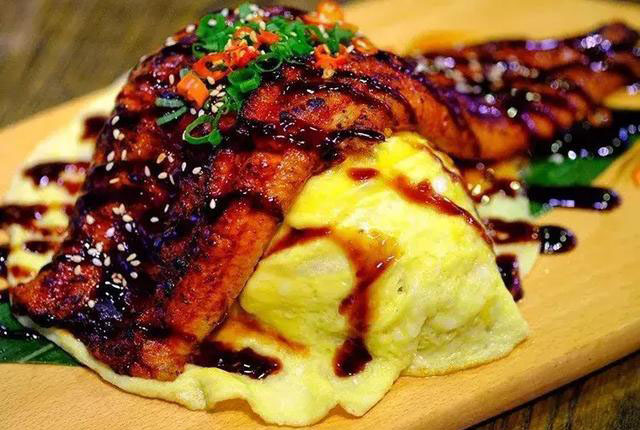
Common Production Flaws vs. Eelpro's Patented Solutions
- Issue: High Fat Content & Off-Flavors. Many conventional roasting methods fail to render enough fat, leaving the final product greasy and sometimes retaining a "muddy" taste from the eel's environment.
- Our Solution: We utilize patented low-fat roasted eel processing and deodorizing equipment. This technology effectively reduces excess fat and eliminates undesirable odors before the glazing process begins, resulting in a cleaner flavor and better texture.
- Issue: Inconsistent Glaze and Color. Manual or single-pass glazing can lead to uneven coating, with some pieces being too salty and others lacking flavor. The color can also be inconsistent, which is a major drawback for presentation-focused foodservice clients.
- Our Solution: Our roasting process involves four precise layers of soy sauce application, each at a controlled temperature. We have established internal color standards for both the initial 'white-roasted' stage and each of the four subsequent soy-sauce coatings. This ensures every piece of unagi kabayaki eel has a uniform, appealing color and a deep, balanced flavor.
- Issue: Inefficient Back-of-House Prep. For restaurant chains, labor costs associated with portioning and deboning raw ingredients can be significant.
- Our Solution: Our products are boneless and deboned, and we offer custom cutting specifications—including shredding, dicing, sushi slices, and 3-section cuts. This standardization reduces kitchen prep time and ensures portion control, directly lowering operational costs for foodservice clients in Australia and Southeast Asia.
By understanding the difference between a vague term like "unagi mushroom" and the specific attributes of a high-quality, certified eel product, importers can better protect their investment and build a reliable supply chain. Working with a vertically integrated manufacturer removes the guesswork and ensures you receive a product that is safe, consistent, and ready for your market.
For clear specifications on our frozen unagi kabayaki and to discuss your import requirements, contact our export team for a detailed quote and product catalog.
 WhatsApp
 sales@chinaeels.com
 +8619937922411