





Is Unagi Sauce Eel Sauce? What Buyers Need to Know Before Ordering
You're reading a supplier spec sheet. It says "unagi tare." The menu next door says "eel sauce." A jar on a retail shelf says "nitsume." Is unagi sauce eel sauce, or two different things wearing the same name tag? For chefs and import buyers, that confusion is not academic — order the wrong sauce and you get the wrong viscosity, the wrong shelf life, and a plate that doesn't taste the way your menu promises.
Here's the short version: yes, "eel sauce" is the English umbrella term covering nitsume, unagi tare, and bottled commercial glaze. But those three are built differently, and the differences matter a lot once you're buying by the drum instead of the bottle.
What "Eel Sauce" Actually Means on a Label
In Japanese cooking, there's no single word that maps cleanly onto "eel sauce." There are three related products:
- Nitsume — a reduction made from the actual liquid left over after simmering eel bones and trimmings, cooked down with soy sauce, mirin, and sugar. It's a traditional finishing sauce, often made in small chef-run batches.
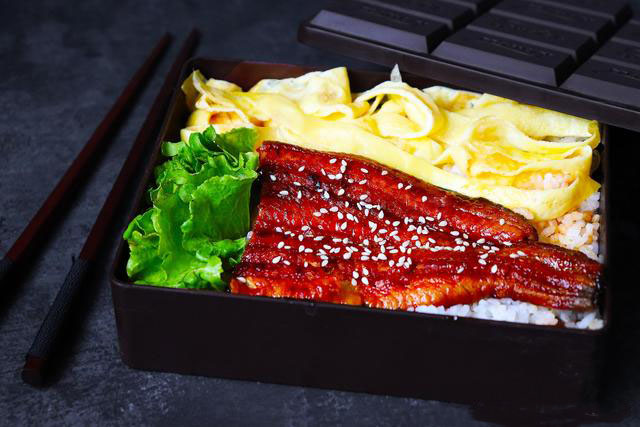
- Unagi tare — the basting glaze brushed onto eel during roasting. This is what gives frozen unagi kabayaki its glossy, caramelized surface. It's built for repeated heat exposure, not for drizzling cold.
- Bottled eel sauce — the shelf-stable retail product sold for sushi rolls and home cooking. It's shelf-stable by design and sometimes contains no eel broth at all.
So when someone asks "is unagi sauce eel sauce," the honest answer is: the label is correct, but incomplete. Knowing which of the three you're actually buying changes how it performs in your kitchen or on your production line. Our own eel sauce line is formulated as a true unagi tare, built for roasting consistency rather than table drizzling.
Nitsume, Unagi Tare, and Bottled Eel Sauce Compared
This is the part most spec sheets skip. A sauce's broth use, base ingredients, and thickness aren't just descriptive details — they determine whether it will actually work for your application. Get one wrong and you'll either burn it under heat, or serve something too thin to cling to the fish.
| Sauce Type | Broth Use | Base Ingredients | Thickness | Intended Application |
|---|---|---|---|---|
| Nitsume | Made from actual eel-bone simmering liquid | Eel broth, soy sauce, mirin, sugar | Thin to medium, syrupy | Spooned over rice as a finishing touch; small-batch, chef-made |
| Unagi Tare | No raw broth; built through repeated soy-sauce coating passes during roasting | Soy sauce, mirin, sugar, sometimes dashi | Medium to thick, glossy | Basting glaze applied in layers during grilling/roasting to build color and caramelization |
| Bottled Eel Sauce | None — formulated independently of any eel cooking liquid | Soy sauce, sugar, thickener (often cornstarch), flavoring | Thick, stable at room temperature | Table condiment or drizzle sauce for sushi rolls; long shelf life for retail |
What each parameter actually affects:
- Broth use determines depth of umami flavor. Broth-based nitsume tastes rounder but spoils faster without preservation steps — fine for same-day restaurant use, risky for export logistics.
- Base ingredients affect allergen declarations. All three contain soy and often wheat-derived soy sauce, but thickeners in bottled versions need separate labeling under EU and US rules.
- Thickness decides whether a sauce can survive direct heat. A thin nitsume-style liquid will evaporate and scorch if used as a basting glaze. A thick bottled retail glaze, on the other hand, tastes overly processed when used to finish a bowl of grilled eel over rice.
- Application mismatch is the most common sourcing error we see — buyers import a retail drizzle sauce expecting it to perform like a roasting tare, then wonder why the color and caramelization don't match the sample photo. Our kabayaki sauce process uses four distinct soy-sauce coating layers specifically because a single dip can't build that color at scale.
Common Mistakes When Sourcing Eel Sauce for Foodservice
- Assuming all "eel sauce" products share one viscosity. A squeeze-bottle drizzle sauce won't baste evenly with a brush — it runs off instead of clinging.
- Treating the sauce as separate from the eel itself. With real kabayaki, color and flavor are built into the fish through repeated roasting passes, not just poured on at the end. Buyers who skip this detail end up with pale, under-flavored product and no idea why.
- Ignoring shelf-life mismatches. Broth-based nitsume is not meant for long cold-chain shipping. If your supplier can't explain how they stabilize it, ask — or check our own storage guidance before committing to a volume order.
- Skipping allergen and residue documentation. EU and US buyers in particular need veterinary drug residue and microbiological testing records before clearing customs, not after.
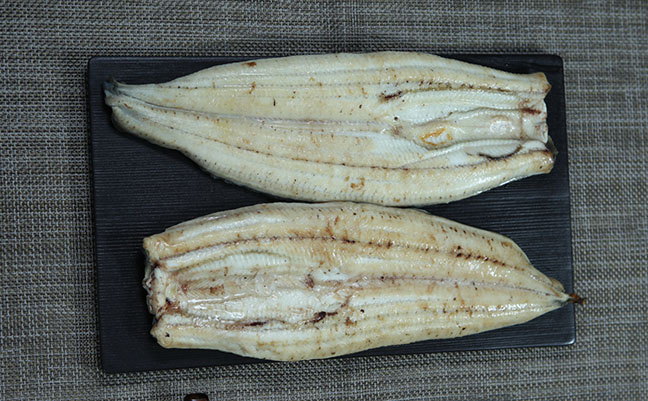
- Not requesting a sample before the full order. Color standards ("white-roasted" vs fourth-coating color) look different between suppliers — a photo on a sales page is not a substitute for tasting the actual batch. If your flavor balance feels off, our guide to fixing common flavor mistakes breaks down what usually goes wrong.
A Buyer's Decision Checklist Before You Place an Order
- Confirm whether the product is broth-based (nitsume-style) or broth-free (tare/bottled).
- Match thickness to your equipment — basting brush, squeeze bottle, or ladle.
- Ask whether the sauce is applied during roasting (built into the product) or added at plating.
- Request ingredient and allergen documentation suited to your destination market.
- Confirm shelf life, storage temperature, and cold-chain handling requirements.
- Ask for traceability documentation covering the farming source and processing steps.
- Check whether the facility holds food safety certifications relevant to your market (ISO 22000, HACCP, HALAL where needed).
- Request a sample batch and taste it heated at your actual roasting or service temperature before confirming volume.
Why Sourcing Documentation Matters as Much as Flavor
Flavor gets a sauce onto the menu. Documentation keeps it on the shelf past customs inspection. We operate under ISO 22000:2018 and HACCP certification, hold HALAL certification, and produce under SC Food Production License No. SC11135062401122, covering quick-frozen prepared and seasoned aquatic products. Our raw material comes from certified farming bases — around 20 customs-registered sites totaling over 2,150 mu — with traceability running from farm registration through process verification and targeted sampling.
Quality control sits behind every batch: our in-house laboratory and metal detectors at critical control points are staffed by 25 of our 160-plus employees working specifically on quality control. Production runs across two lines — frozen roasted eel and deep-processed aquatic products — with a combined annual capacity of 4,000 tons, supported by a 1,000-ton cold storage facility for stable cold-chain handling.
These aren't abstract numbers. They're the reason we've supplied kabayaki eel to Japanese restaurant chains for years, exported unagi kabayaki and eel sauce to US food importers, and shipped to German and Polish distributors under EU food safety and veterinary drug residue standards. We also supply Asian foodservice and retail channels in Australia, and importers serving Indonesian and Southeast Asian catering chains. Export quality standards apply across all of it — not just the shipments headed overseas.
Cold fact worth remembering: plenty of bottled "eel sauce" on grocery shelves has never touched actual eel broth — it's built from soy sauce, sugar, and flavoring alone. That's not a flaw if it's being sold as a retail condiment. It becomes a problem only when a buyer expects roasting-grade performance from a product that was never designed for heat.
If you're sourcing for a roasting line, catering menu, or retail import program, the safest move is to request a technical data sheet alongside the sample — not just a product photo. Our frozen seafood and eel product lines ship with spec documentation covering coating standards, residue testing, and shelf life.
Still deciding which sauce fits your menu or production line? Request a sample and spec sheet from our team, and we'll walk through the right match for your roasting setup and target market.
 WhatsApp
 sales@chinaeels.com
 +8619937922411