





What Is Kabayaki Sauce Made Of, and Why Does It Make Grilled Eel Taste This Good
You bite into kabayaki eel and that sauce stops you mid-chew. Sweet. Salty. Glossy. Sticky in the best way. So what is kabayaki sauce, actually? It's not a mystery marinade — it's four ingredients, cooked down the right way, in the right ratio. Get that ratio wrong, and the whole dish falls flat.
This guide breaks down exactly what goes into kabayaki sauce, what each ingredient does to the flavor and texture, how it differs from teriyaki sauce, and what to check before you buy a bottle or a case of it for foodservice use.
What Is Kabayaki Sauce, Exactly
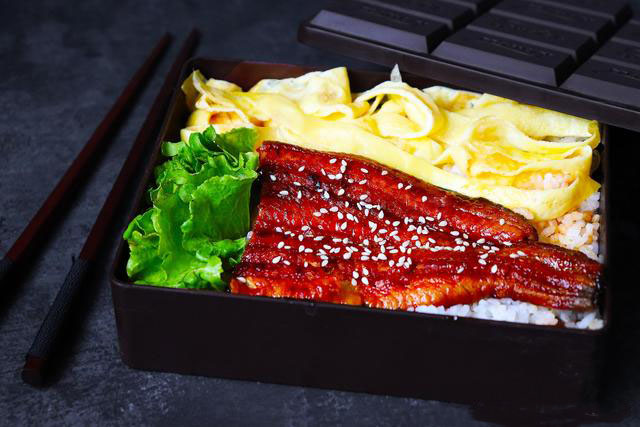
Kabayaki sauce — also called unagi tare — is the dark, glossy glaze brushed onto grilled eel during the final roasting passes. At its core, it's a reduction of four ingredients: soy sauce, mirin, sugar, and the pan drippings from roasting the eel itself. Some commercial versions substitute a portion of the drippings with dashi or eel stock, but the backbone stays the same.
The sauce isn't added raw. It's brushed on in layers, usually three to four coats, with the eel going back under heat between each pass. That's what builds the lacquered shine you see on a finished kabayaki fillet — not one thick coating, but thin layers baked on one at a time. Eelpro's own roasting process follows this exact logic, using a 4-layer soy-sauce coating standard with temperature-controlled steps between each application, which is one reason the color and cling stay consistent across production batches rather than varying fillet to fillet.
If you're sourcing the finished product rather than making the glaze from scratch, it helps to understand this process before comparing suppliers — the frozen unagi kabayaki category covers pre-glazed, ready-to-heat formats built around this same layering method.
How Soy Sauce, Mirin, Sugar, and Reduction Build the Flavor
Each ingredient in kabayaki sauce does a specific job. Swap the ratio and you don't just change the taste slightly — you change whether the sauce clings, burns, or turns watery on the grill. Here's what each one actually controls:
| Ingredient | What it actually does | What happens if the ratio is wrong |
|---|---|---|
| Soy sauce | Supplies salt, umami, and the dark color base. Also drives the Maillard browning on the eel skin during grilling. | Too much soy sauce makes the sauce taste flat and salty with no sweetness to balance it. Too little, and the glaze looks pale instead of deep amber-brown. |
| Mirin | A sweet rice wine that adds gentle sweetness and, critically, alcohol that cooks off during reduction, leaving behind a shine mirin alone can't fake with just sugar water. | Skip mirin and substitute sugar only, and the sauce turns sticky-sweet but loses the glassy gloss and rounder aftertaste mirin provides. |
| Sugar | Builds body and caramelizes under heat, which is where the sauce gets its slight char-sweet edge on the grill. | Too much sugar burns fast and turns bitter-black before the eel finishes cooking. Too little leaves the sauce thin and runny. |
| Reduction (cooking down) | This step concentrates everything above into a syrup with enough viscosity to cling to the eel instead of dripping off. | Under-reduced sauce slides off the fillet and pools on the tray. Over-reduced sauce turns into hard candy that won't melt back down when reheated. |
The timing matters as much as the ratio. Reduction generally needs low, steady heat rather than a hard boil — a hard boil scorches the sugar before the liquid has thickened enough to coat a spoon. If you want to see where most home cooks go wrong with this step specifically, our kabayaki sauce flavor fix guide walks through the exact fail points batch by batch.
Kabayaki Sauce vs Teriyaki Sauce vs Unagi Tare
These three get mixed up constantly, and the confusion causes real sourcing mistakes — ordering teriyaki when a recipe or menu spec calls for tare, for example.
| Sauce | Core ingredients | Typical use | Texture |
|---|---|---|---|
| Kabayaki sauce / unagi tare | Soy sauce, mirin, sugar, eel drippings | Grilled eel specifically, brushed in layers during roasting | Thick, glassy, clings tightly |
| Teriyaki sauce | Soy sauce, mirin, sugar (sometimes sake, no meat drippings) | General grilling glaze — chicken, beef, vegetables | Lighter, pourable, less cling |
| Ponzu or dipping soy | Soy sauce, citrus, dashi | Cold dipping sauce, not heat-reduced | Thin, acidic, no gloss |
Unagi tare is essentially a specialized teriyaki built specifically around eel — the drippings from the fish itself are what separate it from a generic sweet soy glaze. That's also why a bottle labeled simply "teriyaki sauce" won't behave the same way on grilled eel as a true kabayaki sauce will.
Choosing Kabayaki Sauce or Kabayaki Eel for Foodservice or Retail
If you're buying rather than making the sauce, a few checks save you from a bad case order:
- Color standard — ask whether the supplier follows a documented color grade (white-roasted base color, then 1st through 4th soy-sauce coating color). Without a standard, batch-to-batch color will vary.
- Fat content — low-fat roasting reduces greasiness in the final bite; this depends on the roasting equipment, not just the sauce recipe.
- Traceability — for export markets (Japan, US, EU), ask for farm-level traceability documentation, not just a certificate of origin.
- Packaging format — skin-packaging suits portion control for restaurants; gift boxes suit retail. MOQ differs by format.
- Cold-chain continuity — confirm the supplier has dedicated cold storage, not just refrigerated trucking at the point of shipment.
Eelpro runs its roasting and deep-processing lines under ISO 22000:2018 and HACCP systems, with full-chain traceability back to roughly 20 customs-registered farming bases covering over 2,150 mu. Products are checked through an in-house laboratory and metal detectors at critical control points — worth asking about if a supplier can't answer traceability questions directly. You can see the testing setup described on the eel lab page, and the sourcing side on the eel farm page.
Common Mistakes When Making or Storing Kabayaki Sauce
- Boiling instead of simmering — a rolling boil scorches sugar before the liquid thickens properly.
- Skipping the rest period — sauce thickens further as it cools; testing viscosity while it's still hot leads to over-reduction.
- Storing in the wrong container — metal lids can react with the salt and soy content over time; glass with a plastic liner holds up better.
- Reheating straight from the fridge over high heat — this separates the sugar and causes a grainy texture instead of a smooth glaze.
- Using the sauce cold on hot eel — the gloss only forms when the sauce is brushed on and baked, not just poured over a finished fillet.
For storage specifics, including how long a batch holds up refrigerated versus frozen, the make-ahead eel sauce storage guide has the exact timelines.
A Cold-Chain Fact Most Buyers Miss
Here's something that surprises a lot of first-time importers: kabayaki sauce quality is tied as much to cold storage as it is to the recipe. A properly reduced sauce can still separate or lose gloss if it cycles through temperature swings during transit. Facilities running dedicated cold storage — Eelpro's is rated at 1,000 tons — are built specifically to prevent that kind of freeze-thaw damage before the product ever reaches a kitchen.
For readers comparing frozen eel and sauce suppliers more broadly, the unagi kabayaki manufacturer overview covers production capacity and certification details side by side, which is usually the faster way to shortlist vendors than reading spec sheets one at a time.
This article was reviewed by Nancy Chen, Senior Food Safety & Quality Specialist with 12+ years in seafood export quality assurance and an ISO 22000 & HACCP certified auditor background. Nancy oversees HACCP and ISO 22000 compliance work and has guided overseas clients through import requirements for Japan, US, and EU markets.
If you're sourcing kabayaki sauce or finished kabayaki eel for a restaurant menu or retail line, send us your target spec — cut style, packaging format, or sauce viscosity — and we'll confirm what fits your order volume.
 WhatsApp
 sales@chinaeels.com
 +8619937922411