





Understanding the Unique Skeleton of an Eel
For seafood importers and foodservice professionals, a deep product knowledge goes beyond taste and texture; it extends to the very structure of the animal. Understanding the skeleton of an eel is not just an academic exercise. It directly impacts processing efficiency, product quality, and final consumer satisfaction. Unlike many commercial fish, eels possess a serpentine body with a complex and delicate bone structure, which presents unique challenges and opportunities in preparation. This knowledge is fundamental for evaluating suppliers and ensuring the boneless products you source meet the high standards your customers expect.
At Eelpro, our quality control begins with a comprehensive understanding of eel biology. Our 25 technical and quality-control specialists oversee every stage, from our 19 certified farming bases to our two modern production lines. This expertise ensures that our unagi kabayaki and other eel products are not only delicious but also impeccably prepared, respecting the unique anatomy of the species. This guide shares some of that foundational knowledge, helping you make more informed purchasing decisions.
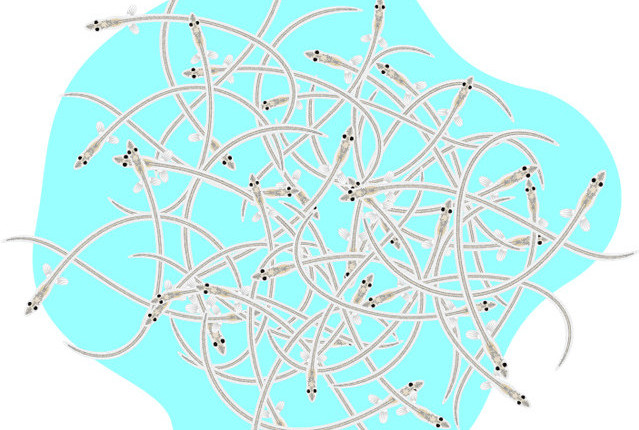
How to Identify Major Skeletal Parts in an Eel Specimen
Identifying key parts of an eel's skeleton is a practical skill for anyone involved in quality assessment or species verification. Whether you are examining a whole specimen or an anatomical image, the process is straightforward if you know what to look for. The eel's elongated body plan simplifies some aspects while making others, like the jaw, more specialized.
Here is a step-by-step guide to identifying the primary skeletal components. This framework is particularly useful for distinguishing true eels (Order Anguilliformes) from eel-like fish.
- Examine the Skull and Jaw Structure. The eel skull is a composite of many small, fused bones. Its most distinguishing feature is the jaw. For most eels, the oral jaws are equipped with sharp, needle-like teeth for grasping prey. However, in some species, like the moray eel, there is a remarkable second set of jaws in the throat called the pharyngeal jaw. This secondary jaw launches forward from the throat to pull prey back for swallowing. When identifying a specimen, look for this unique feature if you suspect it's a moray.
- Trace the Vertebral Column (Spine). This is the most prominent feature of the eel skeleton. It consists of a very high number of vertebrae—often over 100—which gives the eel its characteristic flexibility. The vertebrae are simple, spool-shaped bones linked together. Unlike many fish, an eel's spine extends nearly to the tip of its tail, fusing with the dorsal and anal fin rays to form a continuous fin.
- Locate the Ribs and Intermuscular Bones. Eels have fine, hair-like ribs that extend from the vertebrae into the body cavity. More challenging to see are the numerous intermuscular bones (pin bones) scattered throughout the flesh. These are not true ribs but are ossified tendons. Their presence is a critical consideration in food processing, as incomplete removal results in a poor eating experience. A properly deboned eel fillet should be free of these fine bones, a standard we meticulously uphold in our facility.
- Identify the Fin Rays. Eels lack pelvic fins. Their dorsal, anal, and caudal (tail) fins are fused into a single, continuous fringe. The "bones" supporting these fins are called fin rays. They are slender and connect to the vertebral column. Observing this fused, continuous fin structure is a key indicator that you are looking at a true eel.
This anatomical knowledge is essential for our quality control processes at Eelpro, where our in-house laboratory and inspection teams ensure every product is perfectly processed. A thorough deboning guide starts with understanding this structure.
How Eel Anatomy Impacts Processing and Foodservice Costs
The unique skeleton of an eel directly influences how it is processed for commercial use, particularly for high-value products like frozen unagi kabayaki. For restaurant chains and food importers, sourcing properly processed eel is a major factor in controlling back-of-house labor costs and ensuring a consistent, safe product.
The primary challenge is the hundreds of fine, intermuscular "Y" bones. Manual deboning is a highly skilled and time-consuming task. Inefficient or incomplete deboning not only poses a potential choking hazard but also diminishes the premium quality associated with unagi dishes. This is why standardized, machine-assisted processing, guided by expert quality control, is essential for large-scale production.
At Eelpro, we've built our processing around these anatomical realities. Our boneless/deboned eel products are designed for the foodservice supply chain, eliminating the need for skilled, in-house processing by our clients in Japan, the US, and the European Union. This translates to reduced labor costs, improved kitchen efficiency, and a consistently safe product for the end consumer.

Common Mistakes in Eel Sourcing and Preparation
For buyers, understanding potential pitfalls related to eel anatomy can help in selecting a reliable supplier. Here are common mistakes to avoid:
- Ignoring Bone-Count Standards: Assuming all "boneless" products are equal. A high-quality supplier should have a clear standard for the maximum number of remaining pin bones per fillet or cut. Ask potential suppliers about their quality control metrics.
- Overlooking the Impact of Freezing on Bones: Improper freezing can make bones more brittle and likely to fragment during thawing or cooking. Our 1,000-ton cold storage facility ensures stable cold-chain logistics, preserving the integrity of the flesh and bone structure.
- Underestimating Labor for In-House Deboning: Some buyers may purchase whole eels to reduce costs, only to find that the specialized labor required for deboning negates the savings and introduces inconsistency.
- Failing to Verify Supplier Certifications: A supplier's ability to manage the complexities of eel processing is often reflected in their certifications. Our ISO 22000:2018, HACCP, and HALAL certifications are your assurance of a systematic approach to food safety and quality, including bone removal.
Traceability and Quality Control from Farm to Shipment
A high-quality final product starts long before the processing line. The health and development of an eel's skeleton are directly linked to the conditions at the farm. Proper nutrition and clean water contribute to strong, healthy bone growth, which in turn leads to a more robust fish that holds up better during processing. Broken or weak bones can be an indicator of poor farming practices or stress.
This is why our commitment to quality is anchored in full-chain traceability. We manage approximately 20 customs-registered eel farming bases covering over 2,150 mu. This system gives us complete control and visibility, from farming registration and targeted sampling to final product verification. Our in-house eel lab performs rigorous testing for veterinary drug residues and microbiological indicators, ensuring our products meet the strict import standards of Japan, the US, and the EU.
Buyer's Checklist for Evaluating Eel Suppliers
When selecting a partner for your eel supply, use this checklist to assess their capabilities and commitment to quality, which is often tied to their understanding of the product's fundamental biology.
| Evaluation Criterion | What to Look For | Why It Matters |
|---|---|---|
| Traceability System | Does the supplier control or have direct oversight of their farming bases? Can they trace a batch back to its source? | Ensures raw material quality and food safety. Mitigates risks related to contaminants and disease. |
| Food Safety Certifications | Look for internationally recognized standards like ISO 22000, HACCP, and HALAL. | Demonstrates a systematic, audited approach to managing food safety hazards, including physical hazards like bones. |
| Production Capacity & Technology | What is their annual capacity? Do they use patented or specialized technology for processing? | A 4,000-ton annual capacity like ours ensures supply stability. Patented tech, like our low-fat roasting and deodorizing equipment, indicates a commitment to product innovation. |
| Quality Control Infrastructure | Do they have an in-house laboratory? Are there critical control points like metal detectors? How large is their QC team? | In-house testing and a dedicated team (like our 25 specialists) allow for rapid, precise quality checks throughout production. |
| Export Experience | Which markets do they serve? Can they provide case studies or references (e.g., Japan, Germany, Australia)? | Proven experience in demanding markets confirms their ability to meet complex regulatory requirements and avoid trade risks for you. |
By prioritizing suppliers who demonstrate a deep, structural understanding of their product, you ensure a partnership that values quality from the skeleton up. It's this level of detail that separates a commodity supplier from a true B2B partner.
If you require detailed specifications for our boneless unagi kabayaki, eel sauce, or other frozen seafood products, please contact our export team for a consultation.
 WhatsApp
 sales@chinaeels.com
 +8619937922411