


How to Verify and Label Vegan Unagi Sauce for Restaurant and Retail Menus
A customer orders the vegan rice bowl. The server brings it out glazed in a dark, glossy sauce. Ten minutes later, she's back at the counter, upset. The menu said vegan unagi sauce. The ingredient panel said bonito extract. That mismatch is not rare. It's one of the most common labeling failures on plant-based Japanese-style menus right now — and it's entirely avoidable if you know what to check before the product lands in your kitchen.
This guide walks foodservice buyers, importers, and distributors through what actually makes a sauce qualify as vegan, how labeling rules differ by export market, and where a plant-based unagi sauce fits realistically on a commercial menu.
What Actually Makes a Sauce "Vegan Unagi Sauce"
Traditional unagi tare — the glaze served with grilled eel — is usually built from soy sauce, mirin, sugar, and a reduction of the eel's own cooking juices. It rarely contains "eel" as a listed ingredient, but many commercial versions add fish-based umami boosters to round out the flavor. That's where things get tricky for a buyer sourcing a genuine plant-based alternative.
Before approving any supplier's formulation as a vegan unagi sauce, check the spec sheet and certificate of analysis for these items:
- Bonito flakes (katsuobushi) or bonito extract — a dried fish product, commonly hidden inside "natural flavor" or "seasoning" on a short-form label
- Oyster sauce or fish sauce — sometimes used as a cheaper umami shortcut in mass-produced glazes
- L-cysteine — a dough conditioner that can be animal-derived, occasionally present in soy sauce production
- Caramel color source — generally plant-based, but worth confirming on the supplier's declaration
- Thickeners and stabilizers — check for gelatin-based agents, which have no place in a true vegan formulation
If your supplier can't produce a full ingredient breakdown with sourcing notes, that's a red flag — not a paperwork formality. Compare this against how a traditional eel sauce is formulated, since side-by-side ingredient review is the fastest way to confirm what's actually different in the vegan version.
Vegan, Plant-Based, and Vegetarian — What Each Label Actually Controls
These terms get used interchangeably in marketing copy, but they carry different weight on a label and different risk if misapplied. Here's what each one actually affects in practice:
| Label Term | What It Actually Means | Risk If Misapplied | Typical Use Case |
|---|---|---|---|
| Vegan | No animal-derived ingredients or processing aids whatsoever, including hidden ones like gelatin or bonito | Customer complaints, refund demands, potential regulatory action for false claims | Strict plant-based menus, allergy-sensitive diners |
| Plant-based | Formulated primarily from plant sources; less strictly policed than "vegan" in most markets | Lower risk, but can still mislead if trace animal ingredients are present | General menu marketing, retail packaging |
| Vegetarian | No meat or fish, but may contain dairy, egg, or honey-derived ingredients | Vegan customers may assume it's safe for them — it's not | Broader dietary menus, not strict vegan programs |
| Vegan eel sauce alternative | A marketing descriptor, not a regulated term — tells the customer it replaces unagi tare without eel or fish | No legal penalty by itself, but must match the actual ingredient list or it becomes a false advertising issue | Menu copy, retail shelf positioning |
The takeaway: "vegan" is the strictest claim and carries the highest liability if wrong. If there's any uncertainty about an ingredient's origin, label it "plant-based" rather than "vegan" until your supplier confirms the full chain. This distinction alone prevents most of the customer complaints we see tied to mislabeled sauces.
Allergen Declarations and Export Labeling by Market
Sauce labeling rules vary more than most buyers expect. Soy and wheat — both common in unagi-style glazes — are regulated allergens in nearly every export market, vegan or not.
- United States: The U.S. Food and Drug Administration requires declaration of the 9 major allergens, which includes soy and wheat — both standard in soy-sauce-based glazes
- European Union: EU food information rules require labeling of 14 allergen categories, and "vegan" claims are subject to misleading-advertising enforcement if ingredients don't match
- Japan: Mandatory allergen labeling covers a defined list that includes wheat and soy, plus voluntary declarations for other ingredients commonly used in sauce production
- Indonesia and Southeast Asia: Halal certification is often expected alongside vegan claims for foodservice buyers serving mixed dietary markets, since the two labels are frequently checked together at retail
General ingredient standards referenced across most of these markets trace back to Codex Alimentarius guidelines on food labeling, which is a useful baseline when comparing supplier documentation across countries. Always ask for lot-level traceability and, where possible, third-party lab verification — something we handle for our own eel-based products through our in-house laboratory testing process, and a standard worth expecting from any sauce supplier regardless of category.
Common Mislabeling Mistakes to Avoid
- Trusting "natural flavor" on a short-form label — this phrase can legally hide bonito or fish-derived seasoning in several markets
- Assuming "vegetarian" equals "vegan" — many vegetarian-labeled sauces still contain honey or dairy-based thickeners
- Skipping the COA on reformulated batches — suppliers sometimes adjust recipes between production runs without flagging the change
- Using "vegan teriyaki glaze" and "vegan unagi sauce" as interchangeable menu terms — they taste similar but aren't formulated the same way, and customers who know the difference will notice
- Listing a product as Halal and vegan without separate certification for each — these are distinct certification paths, not one approval covering both
Where a Plant-Based Sauce Fits on a Commercial Menu
A well-made vegan eel sauce alternative performs close to the original in texture and color, which makes menu integration fairly simple once sourcing is sorted. Common applications include:
- Sushi and rolls — drizzled as a finishing glaze on vegetable or tofu-based rolls, functioning as a plant-based sushi sauce
- Rice bowls (donburi-style) — brushed over grilled vegetables, mushrooms, or plant protein as the primary flavor layer
- Noodle dishes — used as a glaze base or finishing drizzle, similar to how it's applied in traditional eel noodle preparations
- Grilled proteins — applied as a vegan teriyaki glaze on tofu, tempeh, or vegetable skewers during the final grilling stage
For operators running a mixed menu — offering both traditional and plant-based options — pairing a vegan sauce program alongside frozen unagi kabayaki lets you serve both dietary segments without duplicating kitchen prep. If your kitchen team struggles with glaze consistency or burning during the grilling stage, it helps to review how to fix common sauce flavor mistakes before scaling the recipe across a full menu rollout. The formulation principles behind a good kabayaki sauce — layering, reduction timing, viscosity — apply whether the base is animal or plant-derived.
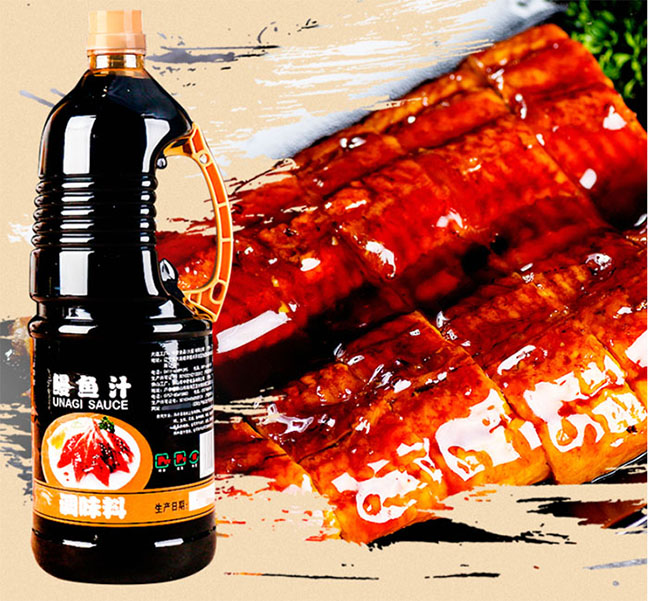
Buyer's Decision Checklist Before Listing a Vegan Unagi Sauce
- Request the full ingredient list — not the short-form label — and check for bonito, oyster, or fish-derived seasoning
- Confirm whether the claim should be "vegan" or "plant-based" based on actual sourcing certainty
- Match allergen declarations to your target market's specific rules (US, EU, Japan, or Halal-certified regions)
- Ask for lot-level traceability documentation and recent lab test results
- Verify Halal certification separately if your market requires both vegan and Halal claims
- Run a small trial batch on the actual menu application — sushi, bowl, or glaze — before committing to a full order
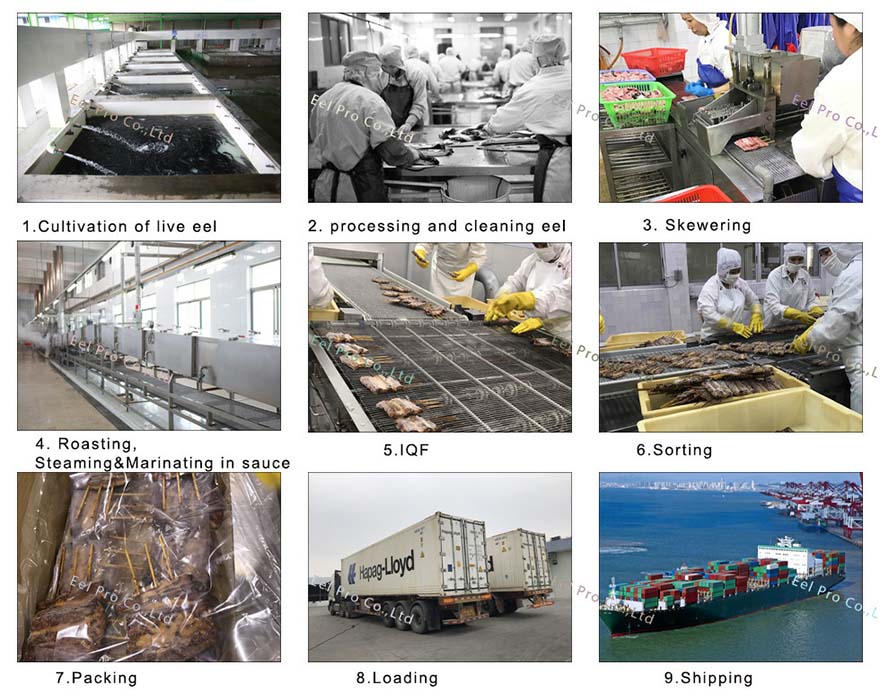
Getting the label right protects your menu from complaints and your business from compliance issues — and it's a one-time verification step that pays off on every order after. If you're sourcing sauce or kabayaki products for a mixed dietary menu, you can request a spec sheet or sample set to compare formulations side by side before placing your first order. For more on building out a full eel-based menu program, our guide on eel noodle soup is worth a read as well.