

What Does Unagi Mean, From a Japanese Kitchen Word to Your Sushi Order
You're staring at a sushi menu. It says "unagi roll, grilled, glazed with sweet sauce." But the fishmonger down the street uses the same word for a live, wriggling animal in a tank. Same word, two totally different pictures. So what does unagi mean, exactly — a fish, a dish, or both?
Short answer: both, depending on where you read it. Unagi (鰻) is the Japanese word for freshwater eel. On a restaurant menu, though, it almost always refers to a specific prepared dish — grilled, sauced, ready to eat. Knowing the difference saves you from ordering confusion and helps you read Japanese food labels with confidence.
The Literal Unagi Translation vs. What You Order
In plain terms, unagi translation from Japanese gives you "freshwater eel." That's it. No sauce, no grill marks, no rice bowl implied. The kanji 鰻 refers to the biological animal — a long, snake-like fish that lives in rivers and lakes before migrating to spawn in the ocean.
But almost nobody orders "raw freshwater eel" at a restaurant. Raw eel blood contains toxins that break down only with heat, so unagi is never served sushi-style raw the way tuna or salmon are. That single fact explains why the word unagi, on any Japanese menu, silently implies "cooked." This is one of those food-language quirks that trips up first-time diners.
| Context | What "Unagi" Actually Means |
|---|---|
| Biology textbook / seafood trade | Freshwater eel species (genus Anguilla) |
| Fish market label | Live or whole raw eel, unprocessed |
| Sushi restaurant menu | Grilled, sauce-glazed eel (kabayaki-style) |
| Grocery frozen aisle | Pre-cooked, vacuum-packed eel fillet ready to reheat |
How the Word Moves From Fish to Menu Item
This is where the meaning shifts happen, and it's worth walking through step by step, because it changes what you should expect on your plate.
- Step 1 — The raw animal. Unagi starts as Anguilla japonica or a related freshwater eel species. At this stage, the word is purely biological, no cooking method attached.
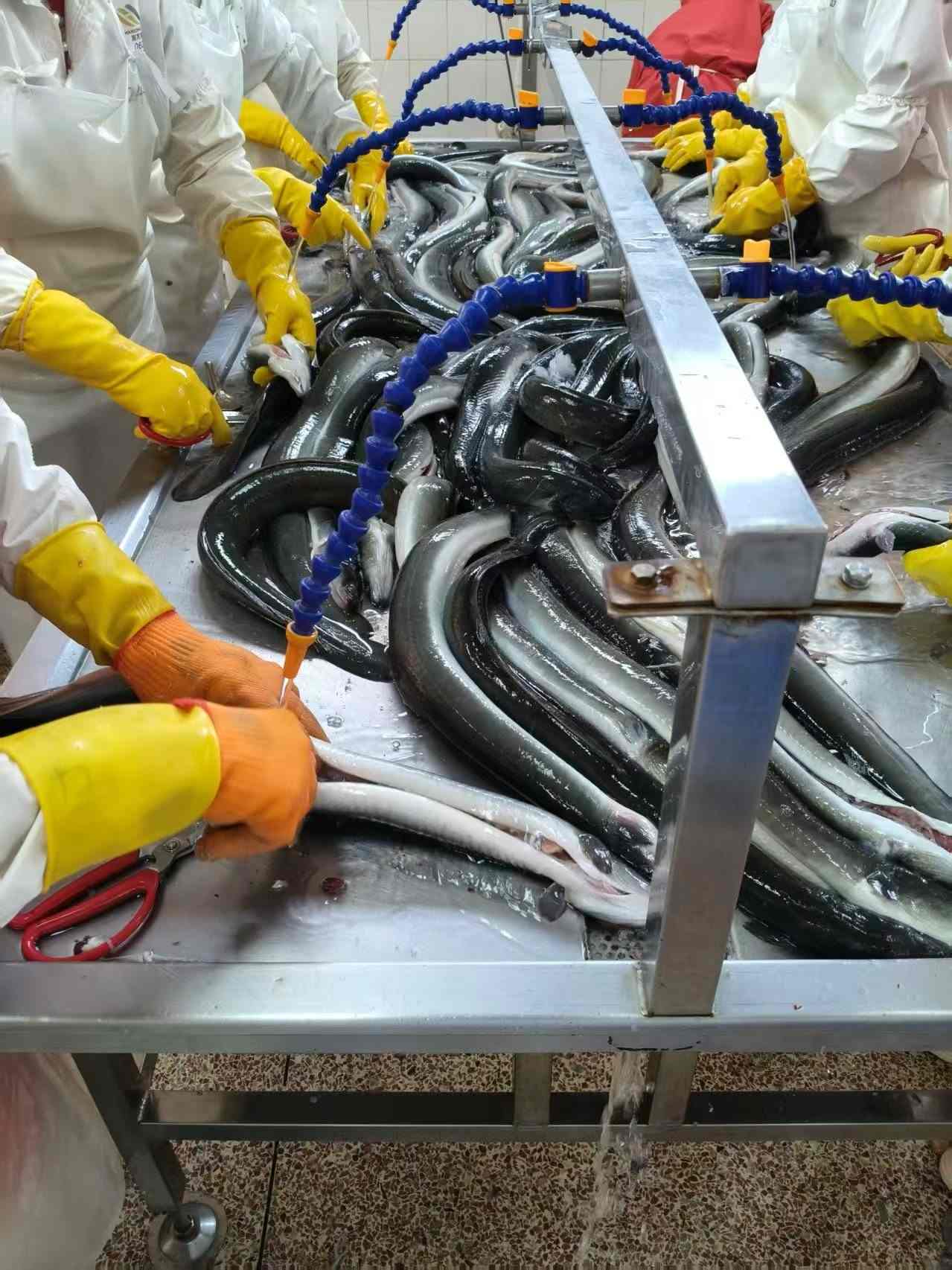
- Step 2 — Butterflying and skewering. Processors split the eel open, remove the spine, and skewer it flat. This is standard prep across Japan, China, and other exporting regions.
- Step 3 — Grilling ("shirayaki" stage). The eel is grilled plain first — no sauce yet. This is called shirayaki, or "white-roasted," and it sets the base texture and color standard before any glaze goes on.
- Step 4 — Sauce layering. The eel is dipped and grilled again, repeatedly, in a sweet soy-based glaze. Four coating passes is a common export benchmark — each pass builds color and caramelization without burning the surface.
- Step 5 — Menu label. Once it's fully glazed and grilled, it becomes "unagi kabayaki" — and on most English-language sushi menus, this whole finished product gets shortened simply to "unagi."
So when a menu says "unagi," it's really shorthand for kabayaki-style grilled eel — not the raw fish, not a random eel dish, but a specific glazed, grilled preparation. Buyers sourcing for foodservice should know this too: a supplier's unagi kabayaki product line is built around this exact finished-dish definition, not raw eel.
Unagi Sushi Meaning — Why It's Never Actually Raw
New sushi diners often assume unagi sushi means raw eel slices, similar to sashimi-style fish. That assumption is wrong, and it matters for food safety.
- Unagi nigiri is always made with pre-cooked, glazed eel placed over vinegared rice — never raw.
- Anago (saltwater conger eel) is sometimes confused with unagi, but it's a different species with a lighter flavor and thinner glaze.
- Unadon / unaju refers to grilled eel served over rice in a bowl or lacquered box — a full meal, not a sushi piece.
- Unagi roll typically combines grilled eel with cucumber and avocado, rolled in nori and rice, then drizzled with extra sauce.
If a menu ever lists "unagi sashimi," that's a red flag — either a translation error or a different fish entirely. Genuine unagi is cooked through, every time.
Common Mistakes When Reading Japanese Eel Menu Terms
Menu confusion isn't just about English speakers misreading translated menus. Even Japanese food terms get mixed up across regions and suppliers. Here are the mistakes we see most often:
- Confusing unagi with anago. Anago is saltwater conger eel, milder and less fatty. Unagi is freshwater eel, richer and heavier in fat content — which is exactly why it holds up better under repeated grilling and sauce layers.
- Assuming "kabayaki" and "unagi" are separate products. Kabayaki is the cooking method (butterflied, skewered, sauce-grilled); unagi is the ingredient. Together they describe one dish.
- Overlooking the sauce name. The glaze itself has a name too — tare (unagi tare or eel sauce). It's not just "soy sauce"; it's a reduced, sweetened blend built specifically to caramelize under repeat grilling passes. You can read more about how that sauce is built in this kabayaki sauce breakdown.
- Ordering "unagi" expecting bones. Properly processed export-grade unagi is deboned. If you're buying wholesale, always confirm boneless spec upfront — it affects prep labor significantly.
What Buyers and Home Cooks Should Check Before Ordering
Whether you're a restaurant buyer sourcing frozen product or a home cook picking up a vacuum-packed fillet, a few checkpoints protect you from a bad batch or a mislabeled product.
| Checkpoint | Why It Matters | What Happens If You Skip It |
|---|---|---|
| Species confirmation | Anguilla japonica vs. other Anguilla species affects fat content and texture | Inconsistent texture across batches, complaints from kitchen staff |
| Bone-removal spec | Deboned product cuts back-of-house prep time significantly | Extra labor cost, slower plating during service rushes |
| Sauce coating layers | Multiple glaze passes build color and caramelized flavor without a burnt taste | Pale color, thin flavor, product looks undercooked on the plate |
| Cold-chain documentation | Frozen eel must stay at consistent sub-zero temps from processing to delivery | Texture breakdown, freezer burn, food safety risk |
| Residue and inspection compliance | Import markets like Japan, the US, and the EU test for veterinary drug residues and microbiological indicators | Shipment rejection at customs, costly delays |
For foodservice buyers, this last point is worth sitting with. A supplier meeting Japan, US, and EU inspection standards on residues and microbiological testing isn't just a compliance checkbox — it's what keeps your shipment from getting held at port. That's the kind of detail that separates a smooth reorder cycle from a supply chain headache.
A Quick Cold-Storage Fact Most Diners Never Hear
Here's a detail that surprises a lot of people: properly frozen unagi kabayaki, stored under consistent cold-chain conditions, holds its texture and glaze color far better than many diners assume. Flash-freezing right after the final sauce-grilling pass locks in the caramelized coating before it has a chance to dry out or oxidize. That's part of why frozen unagi kabayaki, sourced from a facility with real cold storage capacity, can taste just as good reheated as it does fresh off the grill in Japan. If you're curious how the raw material gets from pond to processing line, our eel farming operation page walks through the sourcing side of that chain.
FAQ — Quick Answers on Unagi Terms
What does unagi translate to in English?
Unagi translates directly to "freshwater eel." It doesn't inherently mean "grilled" or "sushi" — those meanings get attached through context, usually a restaurant menu.
Why is unagi called freshwater eel?
Because that's what the animal biologically is. Unagi (Anguilla japonica and related species) spend most of their lives in rivers and lakes, distinguishing them from saltwater eels like anago (conger eel).
How is unagi used on sushi menus?
On sushi menus, "unagi" is shorthand for kabayaki-style grilled eel served over rice or as nigiri. It always refers to the cooked, sauce-glazed preparation — never raw eel.
Is unagi always served with sauce?
Almost always. The one exception is shirayaki, plain-grilled eel without the tare glaze, sometimes offered with just salt or wasabi on the side.
Curious how frozen kabayaki holds up in your own kitchen? Browse our eel sauce product line or get in touch to request a sample and spec sheet for your next order.