

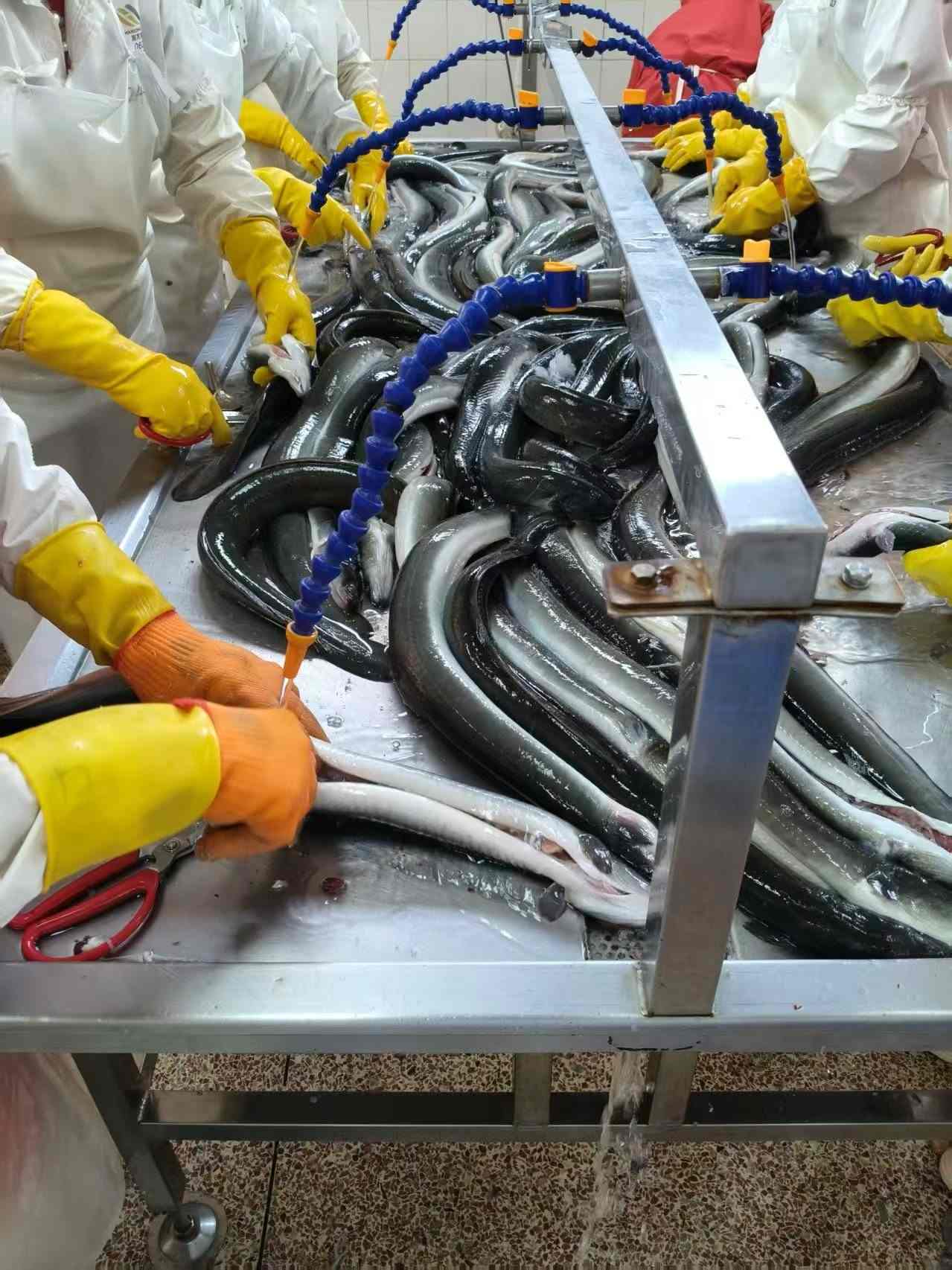
What the Gulper Eel Actually Eats in the Deep Sea
As a food safety and quality specialist, my work focuses on the controlled, traceable environment of aquaculture. Yet, understanding the wild behaviors of aquatic life provides critical context for our industry. A frequent question that arises from curiosity about the ocean's depths is, what does the gulper eel eat? This creature, also known as the pelican eel or Eurypharynx pelecanoides, is famed for its enormous, pouch-like mouth, which often leads to speculation about its diet. The reality, however, is far more modest and fascinating than its appearance suggests.
Despite a mouth that can open wide enough to seemingly swallow prey much larger than itself, the gulper eel's diet consists almost exclusively of small, slow-moving organisms. Its primary food sources are small crustaceans, such as copepods, shrimp, and krill. It also consumes small fish and cephalopods like squid when the opportunity arises. The gulper eel is not an aggressive hunter. Instead, it drifts through the dark bathypelagic zone (1,000 to 4,000 meters deep), using a bioluminescent lure at the tip of its tail to attract prey. It then simply engulfs a large volume of water containing these small creatures, filtering out the food and expelling the water.
The Gulper Eel's Unique Anatomy for Hunting
The gulper eel's feeding strategy is a direct result of its specialized anatomy, adapted for life in an environment where food is scarce. Understanding this connection between form and function is key to appreciating why it eats what it does.
The most striking feature is its disproportionately large mouth and highly distensible pharynx and stomach. While this suggests an ability to consume large prey, the eel's other features tell a different story. Its teeth are small and recurved, suitable for snagging tiny organisms but not for tearing into large fish. Furthermore, its musculature is weak, and its skeleton is poorly ossified, meaning it lacks the power for aggressive, high-speed pursuits.
Here’s a breakdown of how its anatomy dictates its diet:
- Massive Gape, Small Stomach: The huge mouth acts like a net. It creates a large surface area to capture a cloud of small prey in a single gulp. The stomach, though expandable, is not designed to digest a single, massive meal.
- Bioluminescent Lure: The tip of its long, whip-like tail contains photophores that produce light. In the complete darkness of the deep sea, this light attracts small, curious creatures directly towards the eel's waiting mouth.
- Reduced Fins and Weak Body: The gulper eel has minimal fins and a soft, flabby body. This build is perfect for energy conservation and slow, drifting movements, but it makes the eel incapable of chasing down fast-swimming fish. It is an ambush predator of the slowest kind.
This anatomy confirms that the gulper eel is an opportunistic drifter, not a macropredator. Its survival depends on maximizing its chances of encountering small, abundant food sources with minimal energy expenditure.
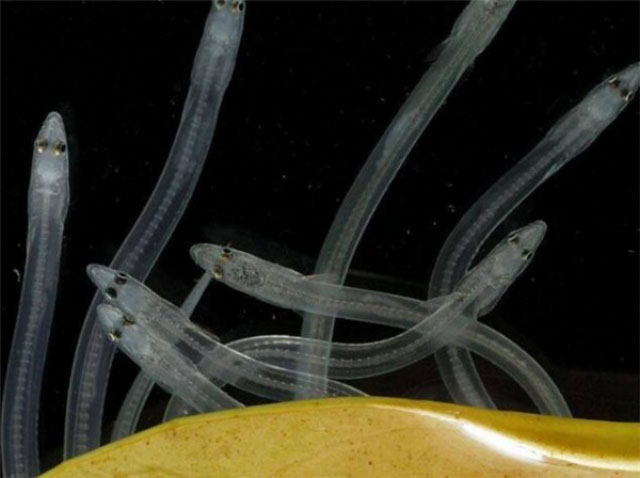
Documented Prey vs. Popular Myths: A Sourcing Manager's Guide
In the seafood import business, separating verified facts from unsubstantiated claims is a daily requirement. Misinformation about a species' diet can lead to incorrect assumptions about its quality, growth cycle, and sustainability. The gulper eel provides a perfect case study. Its intimidating appearance has fueled myths about it consuming giant squid or large deep-sea fish. As a sourcing manager or quality specialist, applying a verification mindset is essential.
Let's compare the scientifically documented prey of the gulper eel with the popular, unverified claims. This exercise mirrors the due diligence required when vetting a new supplier's product claims.
| Parameter | Documented & Verified Prey | Unverified & Mythical Prey |
|---|---|---|
| Primary Food Source | Small crustaceans (copepods, amphipods, ostracods, krill). These are abundant and slow-moving. | Large, fast-swimming fish or giant squid. |
| Anatomical Evidence | Small teeth, weak jaw muscles, and a body built for drifting support a diet of tiny, easily captured organisms. | This would require powerful jaws, large, sharp teeth for gripping and tearing, and a strong body for pursuit or struggle. The gulper eel has none of these. |
| Supporting Data | Stomach content analysis from captured specimens consistently reveals the remains of small crustaceans and occasionally tiny fish. | No scientific records, video evidence, or stomach content analyses have ever confirmed the consumption of large prey. Claims are based solely on the size of its mouth. |
| Implication for Sourcing | Lesson: Trust the data. A supplier's claims about feed composition or growth rates must be backed by documentation (e.g., feed purchase records, farming logs). | Lesson: Be wary of claims based on appearance or potential. A large facility doesn't guarantee high capacity; a "premium" label doesn't guarantee quality without certification. |
For any B2B buyer, this distinction is critical. When a frozen eel supplier claims their product is superior due to a "special, secret diet," your response should be to ask for verification. What are the feed ingredients? Can you provide the nutritional analysis? Just as marine biologists verify the gulper eel's diet through stomach analysis, an importer must verify a supplier's claims through documentation and audits.
Why Understanding Marine Biology Matters for Seafood Sourcing
Knowledge about a creature like the gulper eel isn't just academic. It reinforces a foundational principle of quality assurance: an organism's health, texture, and safety are directly linked to its environment and diet. This is true for deep-sea oddities and for commercially farmed species like the freshwater eels we process at Eelpro.
For importers and distributors in Japan, the United States, or the European Union, understanding the biology behind your product is a powerful risk-management tool. A supplier that demonstrates deep knowledge of their species is more likely to manage their operations effectively.
Here is a checklist for assessing a supplier's biological expertise during your vetting process:
- [ ] Feed Management: Do they have documented feed formulas? Can they explain how the diet affects the eel's fat content, texture, and flavor profile? At Eelpro, our feed is carefully managed to produce the ideal fat content for our patented low-fat roasting process.
- [ ] Water Quality Control: What parameters do they monitor (e.g., oxygen, pH, ammonia)? How do these relate to fish health and stress levels? Our in-house eel lab constantly monitors these indicators to prevent disease and ensure robust growth.
- [ ] Farm-to-Fork Traceability: Can they trace a finished product back to a specific farming base? This is non-negotiable for meeting EU and US import standards. Our ~20 customs-registered eel farms provide full-chain traceability.
- [ ] Species-Specific Handling: Do their processing techniques account for the specific biology of the eel? For example, our four-layer soy sauce coating process is calibrated to the texture and absorption properties of eel skin and flesh.
A supplier who can't answer these questions may be treating their product as a simple commodity, ignoring the biological factors that dictate final quality and safety.
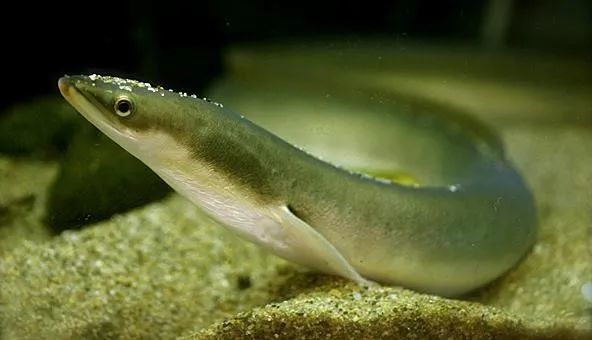
From Deep-Sea Wonders to Your Supply Chain: The Eelpro Quality Standard
The wild, unpredictable nature of the gulper eel's existence stands in stark contrast to the controlled, science-based approach of modern aquaculture. While the gulper eel must drift and hope for a meal, we leave nothing to chance. Our entire operation is built on controlling variables to produce a consistent, safe, and high-quality product for our export partners.
Our commitment is verified by internationally recognized certifications, including ISO 22000:2018, HACCP, and HALAL. These aren't just logos on a box; they represent a system of documented procedures, critical control points, and continuous improvement that governs everything we do. From the water quality at our 2,150 mu of farming bases to the temperature controls in our 1,000-ton cold storage facility, every step is managed to mitigate risk.
For our clients in demanding markets like Germany and Poland, this means confidence. They know our unagi kabayaki meets strict EU standards for veterinary drug residues and microbiological indicators. For foodservice chains in Australia and Southeast Asia, our standardized cutting (shredding, dicing, sushi slices) and ready-to-heat packaging reduce back-of-house labor and ensure product consistency across all their locations. This reliability is the direct result of understanding and controlling the biological and environmental factors that the gulper eel is subject to.
While the mysteries of the deep sea captivate our imagination, your supply chain requires certainty. Our 4,000-ton annual production capacity and team of 25 quality-control specialists are here to provide just that.
For importers seeking a supplier with a deep understanding of aquatic ecosystems and a proven commitment to food safety, contact our team to discuss your sourcing requirements.