

What Drives Your True Frozen Unagi Cost Per Serving?
Comparing suppliers for frozen unagi based on the per-kilo price is one of the most common—and costly—mistakes an importer or restaurant chain can make. A lower list price often hides variables that erode your margins, such as excessive glaze, inconsistent fillet sizes, or poor yield. Before you commit to a trial order, understanding the complete cost structure is essential to protect your profitability and ensure menu consistency.
As a quality assurance specialist who has guided dozens of overseas clients through import compliance, I've seen firsthand how overlooking these details leads to unexpected expenses. The real cost isn't what you pay for a 10-kilogram case; it's the final cost of each 100-gram portion of high-quality eel that lands on your customer's plate. This requires a deeper analysis of not just price, but supplier processes and capabilities.
Beyond the Per-Kilo Price: A Landed Cost Model for Importers
The price on a supplier’s quote sheet is just the beginning. To accurately forecast your profitability, you must build a landed-cost model that accounts for every expense from our factory door to your distribution center. A seemingly cheaper product can quickly become more expensive once these factors are included. Here is a breakdown of the key cost components to track.
Key Cost Components in a Per-Serving Model
- FOB (Free On Board) Price: This is the base price of the unagi kabayaki product from the supplier. At Eelpro, this price reflects our fully integrated production, from farm to finished product.
- Ocean/Air Freight & Insurance: The cost to transport the container from the port of origin to your destination port. This varies significantly by route, carrier, and season.
- Import Duties, Tariffs, and Taxes: These are government-levied charges specific to your country and the product's HS code. Our experience exporting to the US, EU, and Japan means we provide accurate documentation to help you avoid customs delays and penalties.
- Port & Customs Brokerage Fees: Fees for handling, inspection, and processing paperwork at the destination port.
- Cold-Chain Logistics: This includes drayage (transport from port to your cold storage), warehouse handling fees, and ongoing storage costs. Our own 1,000-ton cold storage facility ensures product is held at a stable temperature before shipment, a critical first step in maintaining the cold chain.
By summing these costs, you arrive at the total "landed cost." Dividing this by the total kilograms gives you the Landed Cost Per Kilo. But the calculation doesn't stop there. The next step is determining the cost of the usable product.
Calculating True Fillet Yield and Menu Portion Cost
The most overlooked factor in calculating the cost of frozen unagi is the difference between gross weight and net usable weight. The weight of the kabayaki sauce, or glaze, is part of the total weight you pay for but is not part of the eel fillet itself. A higher glaze percentage means you are paying for more sauce and less protein, directly impacting your per-serving cost.
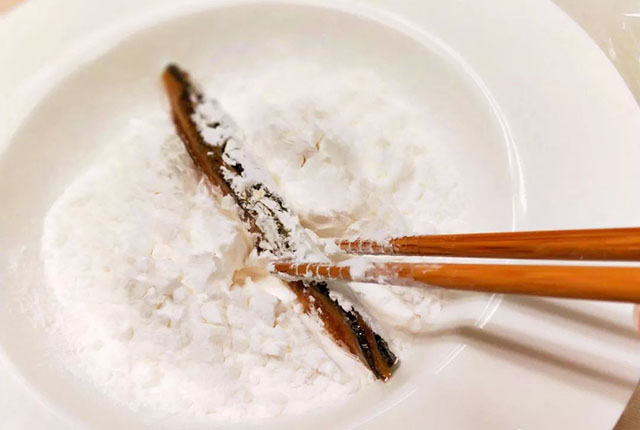
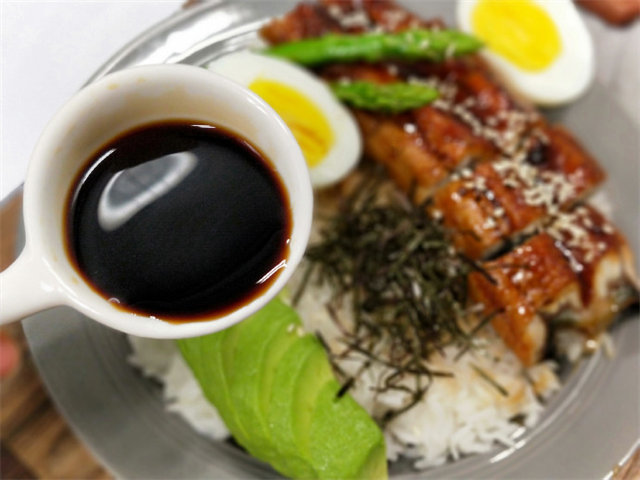
At Eelpro, we use a patented 4-layer soy-sauce coating process that ensures consistent, optimal glaze ratios. This process provides excellent flavor without adding excessive weight. When evaluating suppliers, always ask for the specified glaze percentage.
Worked Example: Comparing Two Suppliers
Let's compare two hypothetical 10kg cases of frozen unagi, both with a landed cost of $250, or $25/kg.
| Metric | Supplier A | Supplier B (Eelpro Standard) |
|---|---|---|
| Landed Cost (10kg case) | $250.00 | $250.00 |
| Landed Cost per kg | $25.00 | $25.00 |
| Specified Glaze Percentage | 30% (3.0 kg) | 15% (1.5 kg) |
| Net Eel Fillet Weight | 7.0 kg | 8.5 kg |
| Effective Cost per kg of Eel | $250 / 7.0 kg = $35.71 | $250 / 8.5 kg = $29.41 |
| Cost per 100g Menu Portion | $3.57 | $2.94 |
As the table shows, even with the same initial landed cost, Supplier A's product is over 21% more expensive per serving due to a higher glaze ratio. This difference directly impacts your menu's gross margin. A reliable frozen eel supplier provides clear specifications on glaze percentage, allowing for accurate cost forecasting.
How Supplier Capabilities Reduce Long-Term Costs and Risks
Your supplier's operational infrastructure and quality systems are your best defense against hidden costs. A vertically integrated partner can provide stability in price, quality, and supply that a simple trader cannot. This is where our certifications and production capabilities become a direct financial benefit to our clients.
Here’s how specific operational strengths translate into cost savings and risk reduction for your business:
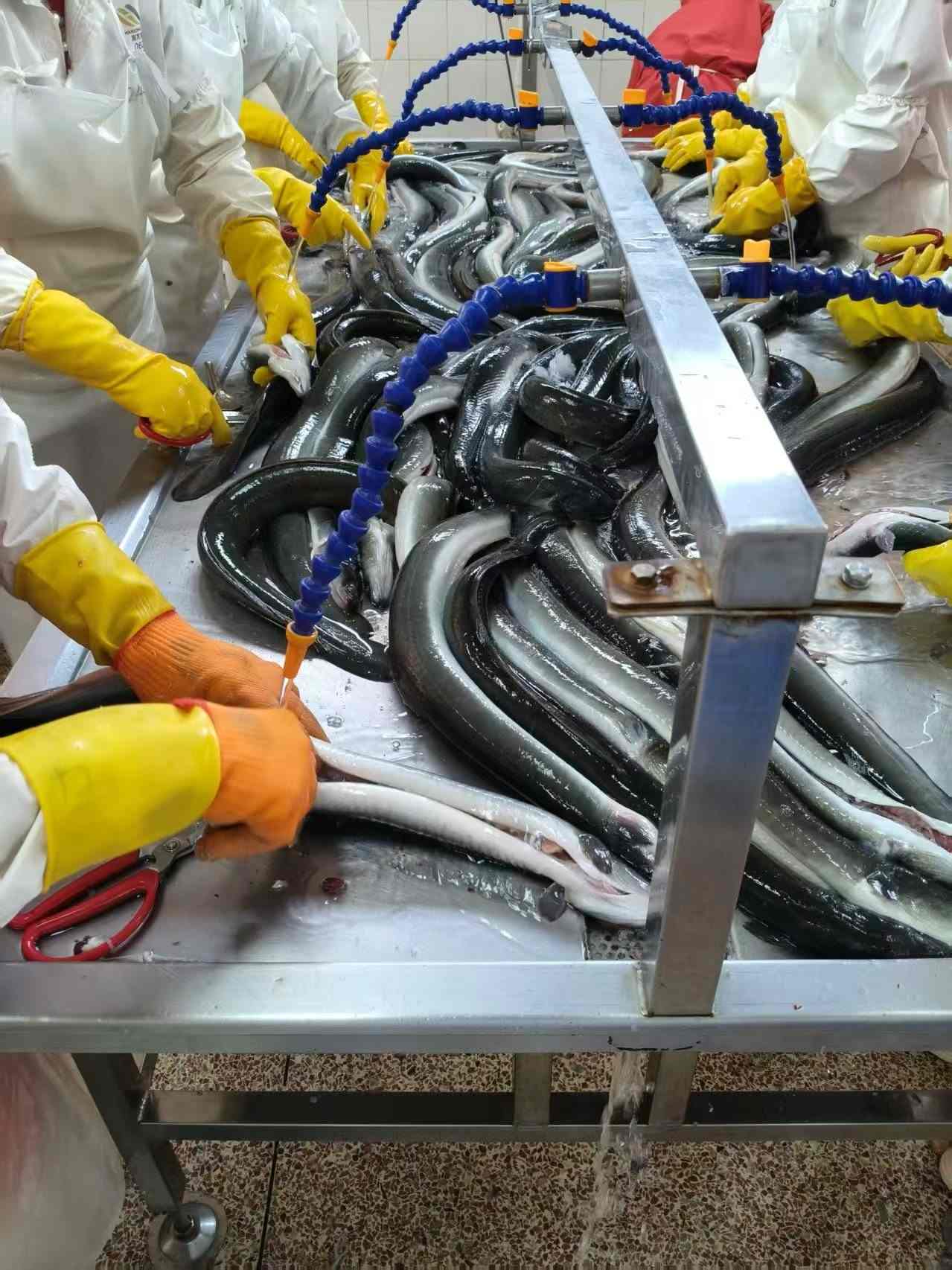
- Full-Chain Traceability and Safety Compliance: We manage a network of approximately 20 customs-registered eel farming bases, giving us full control from farm to final processing. This traceability is validated by our ISO 22000:2018 and HACCP certifications. For importers in demanding markets like Japan, the US, and the European Union, this system is critical. It ensures our products meet strict standards for veterinary drug residues and microbiological indicators, virtually eliminating the risk of costly import rejections, fines, or brand-damaging recalls.
- Production Capacity and Consistency: With an annual production capacity of 4,000 tons across two modern production lines, we can handle large, consistent orders for major restaurant chains and importers. Our patented low-fat roasting and deodorizing technology, combined with standardized color controls for our soy-sauce coating, ensures that every batch has the same flavor, texture, and glaze ratio. This consistency makes your portion costs predictable and simplifies kitchen operations. Chefs can rely on standardized heating times and consistent product performance, reducing both labor costs and food waste.
- In-House Quality Control Infrastructure: Our team of 25 dedicated quality-control and technical personnel, supported by our own professional eel lab of eelpro co. / ltd and metal detectors at critical control points, actively manages food safety. This internal oversight is far more rigorous than relying on third-party spot checks. It prevents quality issues before they leave our facility, protecting you from receiving substandard products that lead to customer complaints and lost sales.
Common Sourcing Mistakes That Inflate Unagi Costs
In my experience, buyers who focus solely on FOB price often fall into predictable traps. Avoiding these common mistakes is key to establishing a stable and profitable supply chain for frozen unagi.
Buyer's Decision Checklist:
-
Mistake: Ignoring the Glaze-to-Fillet Ratio.
- Solution: Always request the specific glaze percentage in the product specifications. Use this number to calculate your effective cost per kilogram of eel meat, not just the gross weight.
-
Mistake: Underestimating Cold-Chain and Logistics Costs.
- Solution: Work with a freight forwarder specializing in frozen goods to get a complete quote, including port handling, drayage, and warehouse fees. A supplier with a robust in-house cold storage facility helps ensure the chain starts strong.
-
Mistake: Not Verifying Supplier Certifications and Export History.
- Solution: Ask for copies of ISO 22000, HACCP, and other relevant certifications. Inquire about their experience exporting to your specific country or region. We have a long history of supplying clients in demanding markets, including Germany, Poland, and Australia, and can provide documentation to smooth the import process.
-
Mistake: Overlooking Customization Capabilities.
- Solution: Discuss your specific needs for cutting and packaging. Standard fillets may not be ideal for your menu. We offer custom cutting (shredding, dicing, sushi slices) and packaging (skin-packaging, gift boxes), which can reduce back-of-house labor costs and improve portion control.
A strategic sourcing approach looks beyond the initial price to evaluate a supplier's ability to deliver consistent quality, mitigate risks, and support your operational efficiency. By calculating your true cost per serving, you can make a more informed decision that benefits your bottom line in the long run.
To receive detailed product specifications and calculate the exact landed cost for your business, please contact our export team for a personalized quote.