

What Is Unagi and Why Every Seafood Buyer Should Know the Real Answer
What is unagi? Unagi is the Japanese word for freshwater eel, and specifically refers to the species used in grilled eel dishes like unagi kabayaki. For anyone sourcing seafood internationally, that one-word distinction matters more than it looks. Order the wrong eel and you'll serve the wrong dish — or pay saltwater prices for a freshwater product your menu never asked for.
We've spent years supplying frozen unagi kabayaki and eel sauce to buyers across the world at Eelpro. The question "what is unagi, exactly?" comes up constantly — from restaurant groups building a new sushi menu to import agents comparing supplier quotes. So let's clear it up properly.
Unagi Meaning: More Than Just "Eel" in Japanese
In everyday Japanese, unagi (鰻) means freshwater eel. But in culinary contexts, the word carries a more specific identity. It almost always refers to Anguilla japonica, the Japanese freshwater eel, prepared through a particular grilling and glazing method called kabayaki.
So the unagi meaning isn't just biological — it's cultural. Saying "unagi" to a Japanese chef signals a dish, a texture, a sauce, and a season. It's tied to summer stamina food, to grilled skewers on charcoal, to a specific umami-heavy tare glaze brushed on repeatedly while cooking. Our own kabayaki sauce article breaks down why that glaze is treated almost like a trade secret in Japanese kitchens.
For B2B buyers, this matters because "unagi" on a menu creates a specific customer expectation. Serve anago and call it unagi, and informed diners will notice immediately.
What Species of Eel Is Used for Unagi?
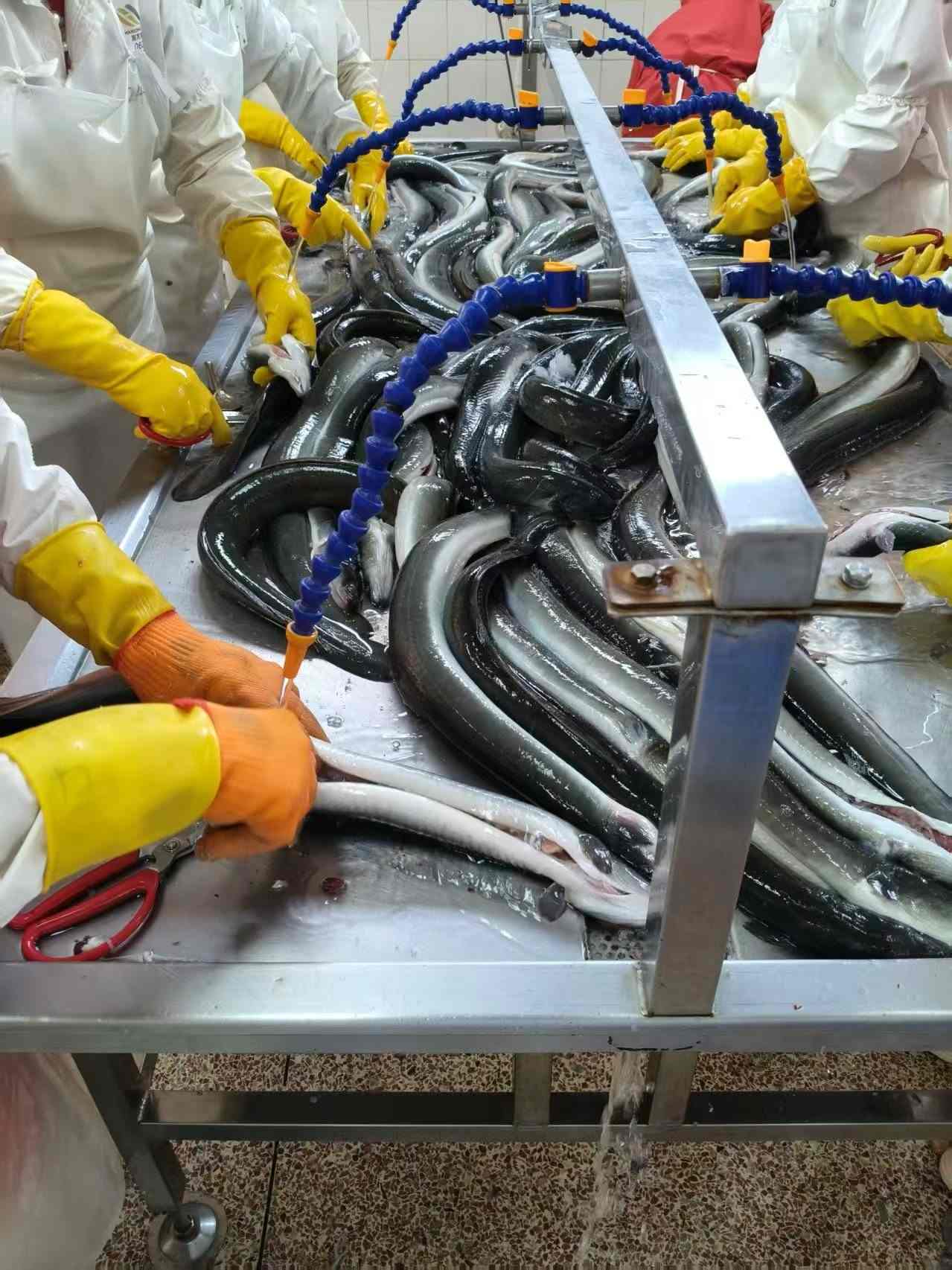
The eel used for authentic unagi dishes is Anguilla japonica, commonly known as the Japanese freshwater eel. This species is prized for its fat content, soft collagen-rich skin, and mild sweetness once glazed and grilled.
Key identifying traits foodservice buyers should know:
- Habitat: spends most of its life in freshwater rivers and lakes, migrating to the ocean only to spawn.
- Body shape: long, cylindrical, smooth-skinned, typically 40–70 cm at harvest size.
- Fat content: higher than most marine eel species, which is why it holds up well under high-heat grilling.
- Color after cooking: deep amber-brown once glazed with tare sauce, with a glossy caramelized surface.
This is different from farmed marine eel species sometimes substituted in lower-cost markets. If a supplier can't confirm the species on their spec sheet, that's a red flag — not a technicality.
Unagi vs Anago — The Difference Every Buyer Should Confirm Before Ordering
This is the single most common terminology mix-up we hear from new import clients. Unagi and anago are not the same eel, not the same flavor, and not interchangeable on a menu.
| Feature | Unagi (Freshwater Eel) | Anago (Saltwater/Conger Eel) |
|---|---|---|
| Species | Anguilla japonica | Conger myriaster (conger eel) |
| Habitat | Rivers and lakes, freshwater | Ocean, saltwater |
| Fat content | Higher, richer texture | Leaner, lighter texture |
| Common prep | Grilled kabayaki with tare glaze | Often simmered or lightly seasoned |
| Typical price tier | Higher, considered a premium item | Lower to mid-range |
| Menu usage | Unadon, unaju, unagi sushi | Anago sushi, light nigiri |
If your supplier quotes "eel" without specifying species, ask directly: is this Anguilla japonica or a conger species? That single question avoids a lot of costly menu mismatches later.
Freshwater Eel Terminology — A Quick Buyer's Glossary
Eel terminology gets confusing fast, especially across languages. Here's a working glossary we give new import partners:
- Unagi — Japanese freshwater eel, Anguilla japonica.
- Anago — saltwater conger eel, a different family entirely.
- Unagi kabayaki — the grilled, tare-glazed eel fillet product, ready to reheat.
- Unagi tare / eel sauce — the sweet-savory glaze made from soy, mirin, sugar, and eel stock reduction.
- Unadon — a rice bowl topped with kabayaki eel.
- Unaju — the same dish served in a lacquered box, usually a higher presentation tier.
Knowing these terms helps when reviewing supplier catalogs, writing menu copy, or training kitchen staff who may not have handled unagi kabayaki before.
Sourcing Decision Checklist — What to Confirm Before You Order Unagi
Before signing a purchase order with any eel supplier, run through this list:
- Species confirmation — request written confirmation it's Anguilla japonica, not a substitute species.
- Product form — frozen raw fillet vs pre-glazed frozen unagi kabayaki; each needs different kitchen handling.
- Sauce sourcing — ask whether eel sauce is included or sold separately; our eel sauce product page outlines both options.
- Cold chain documentation — verify the frozen logistics chain from processing to your port.
- Batch consistency — request sample photos of glaze color and fillet size from the actual production batch, not stock photography.
Common mistakes we see from first-time importers:
- Assuming all "eel products" are the same species — they're not.
- Skipping a sample order before committing to full container volume.
- Not asking whether the tare sauce is house-made or a generic soy blend.
- Overlooking fillet size grading, which affects portion cost per dish.
Where Unagi Fits in Japanese Food Culture
Unagi isn't just a seafood item in Japan — it's tied to seasonal rituals. Summer is traditionally "eel season," associated with a day called Doyo no Ushi no Hi, when eating unagi is believed to help endure summer heat. This cultural weight is part of why unagi commands premium menu pricing internationally, even outside Japan.
For restaurants building Japanese menus abroad, that story is worth telling guests. It's also why frozen unagi kabayaki has become a practical solution — it lets restaurants without eel-grilling expertise still serve an authentic product. If you want to see how the product performs across different dishes, our eel recipes resource shows several serving formats beyond the classic rice bowl.
Frozen Unagi Kabayaki vs Raw Freshwater Eel — Which Fits Your Kitchen?
| Format | Best For | Kitchen Skill Needed | Shelf Handling |
|---|---|---|---|
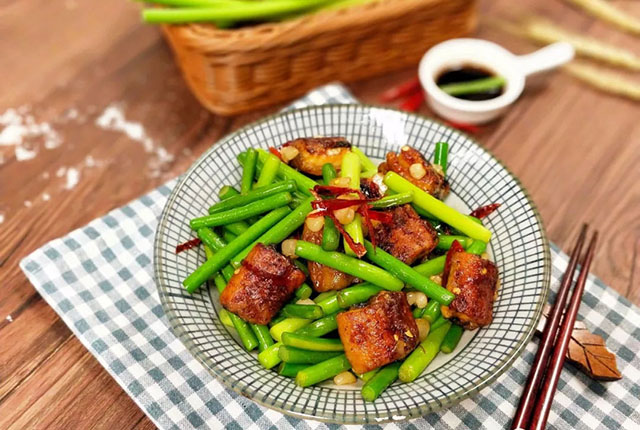
| Frozen unagi kabayaki (pre-glazed) | Restaurants without eel-grilling staff | Low — reheat and serve | Frozen storage, quick thaw before service |
| Raw freshwater eel | Kitchens with dedicated eel prep skill | High — skinning, deboning, grilling | Frozen storage, full prep required |
Our unagi kabayaki manufacturer page details specifications for buyers comparing both formats side by side.
FAQ — Quick Answers for Import and Menu Teams
What does unagi mean in Japanese cuisine?
Unagi means Japanese freshwater eel, and in cuisine it specifically refers to eel prepared kabayaki-style with a soy-based tare glaze.
What is the difference between unagi and anago?
Unagi is freshwater eel (Anguilla japonica); anago is saltwater conger eel. They differ in fat content, texture, price, and typical preparation.
What species of eel is used for unagi?
Anguilla japonica, the Japanese freshwater eel, is the species used for authentic unagi dishes and unagi kabayaki products.
Curious how frozen eel product quality is tested before export? Our eel lab and eel farm pages show the process from pond to package. Drop your sourcing questions in the comments — we answer every one from foodservice buyers directly.