


What is unagi and why is it eaten on Doyo no Ushi no Hi
A hot Japanese summer day, a fragrant charcoal-grilled eel fillet, glossy brown sauce, and a bowl of rice can tell a story far beyond sushi. The question is not only what is unagi, but why this freshwater eel becomes especially meaningful on Doyo no Ushi no Hi.
For diners, home cooks, and foodservice teams, the answer helps prevent a common menu mistake: treating a seasonal Japanese custom as if it were the same thing as everyday eel sushi. Unagi is served year-round in many formats, but Doyo no Ushi no Hi carries a specific midsummer association linked to the traditional Japanese calendar and the idea of restoring strength during hot weather.
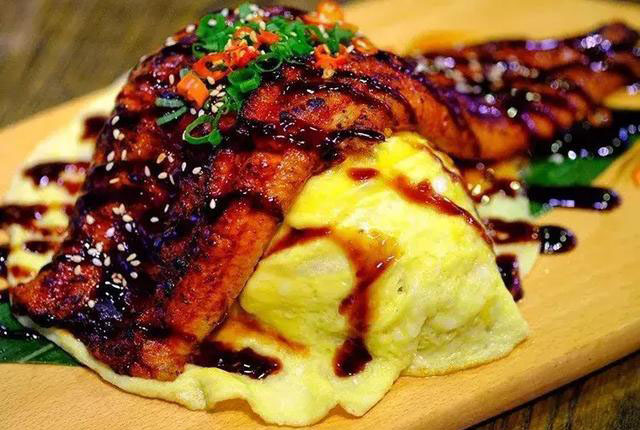
Unagi is freshwater eel, usually prepared as kabayaki
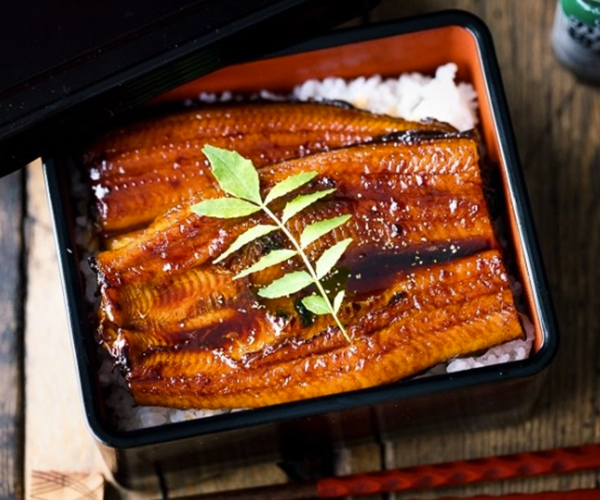
Unagi is the Japanese word commonly used for freshwater eel. In restaurant and retail settings, it often refers to eel prepared in the kabayaki style: fillets are grilled, basted with a sweet-savory soy-based sauce, and served over rice, in sushi, or as part of a composed dish.
The familiar dark glaze is not simply decoration. It contributes sweetness, saltiness, surface shine, and roasted aroma. A good kabayaki serving should balance sauce with the flavor of the eel rather than taste only of sugar or soy sauce.
For menu planning, the most useful distinction is between unagi and anago. Both may appear in Japanese restaurants, but they are not interchangeable descriptions.
| Term | Typical meaning | Common serving style | Best menu use | Limit |
|---|---|---|---|---|
| Unagi | Freshwater eel | Grilled kabayaki, rice bowl, sushi, meal box | Rich, sauced main dish or premium sushi topping | Do not label it as anago |
| Anago | Saltwater conger eel | Simmered or lightly glazed sushi topping | Delicate sushi and lighter preparations | Its taste and texture differ from unagi |
| Unagi kabayaki | Prepared grilled and sauced eel | Heated and served with rice or used in finished dishes | Foodservice kitchens needing speed and portion control | Sauce profile and cut format should match the menu |
The practical conclusion is simple: use “unagi” when the product is freshwater eel, and specify “unagi kabayaki” when the dish uses grilled, glazed eel. This fits rice bowls, bento meals, sushi rolls, and Japanese grilled-eel presentations. It does not fit a menu item made with anago, even if both ingredients are described loosely as eel.
For a product-format reference, review our unagi kabayaki product page before deciding whether whole fillets, cut pieces, strips, or sushi-oriented slices suit your kitchen.
Doyo no Ushi no Hi links eel with the hottest part of summer
Doyo no Ushi no Hi is a day within the traditional calendar system. “Doyo” refers to a seasonal transition period that occurs before the beginning of each new season. “Ushi” means ox, referring to the day of the ox in the traditional repeating day cycle.
The best-known Doyo period occurs before autumn, during the heat of late summer. In modern Japanese food culture, this is the period most closely associated with eating unagi. The custom is often explained as a way to eat nourishing food and maintain energy when summer heat can reduce appetite.
There is also a linguistic element. Foods beginning with the Japanese “u” sound have been associated with the day of the ox in popular explanations of the custom. Unagi became the most famous food connected with this idea, though it is not the only possible seasonal food.
A widely repeated story credits the Edo-period scholar Hiraga Gennai with helping an eel seller promote eel during a slow summer sales period. The story is useful cultural context, but it should not be treated as complete proof that one person created the entire tradition. The stronger conclusion is that seasonal eating beliefs, merchant promotion, and eel’s established culinary appeal likely reinforced one another over time.
For a restaurant or retailer, this distinction matters. You may describe unagi as a traditional choice for Doyo no Ushi no Hi, but avoid presenting the custom as a medical promise. It is a food tradition and seasonal symbol, not a guarantee that eating eel will solve heat-related fatigue.
The cultural boundary between a midsummer custom and everyday sushi-menu usage
Doyo no Ushi no Hi is not a rule that restricts unagi to one day, one season, or one cooking style. This is the cultural boundary that diners and menu writers often miss. The midsummer custom gives eel special seasonal symbolism, while everyday sushi-menu use is a separate commercial and culinary practice.
The table below separates the observation from the interpretation a buyer or operator should make.
| Question | Doyo no Ushi no Hi context | Everyday sushi or restaurant context | What a menu team should do |
|---|---|---|---|
| Why is unagi served? | It is associated with midsummer eating and maintaining appetite during hot weather. | It is chosen for its grilled aroma, rich texture, sauce, and compatibility with rice. | Use seasonal wording only for a summer campaign. |
| When is it relevant? | Especially during the late-summer Doyo period. | Throughout the year, depending on menu design and supply planning. | Keep unagi available year-round if it fits demand. |
| What should the description say? | “A traditional Japanese summer eel dish” is appropriate. | “Grilled freshwater eel with kabayaki sauce” is clearer for regular menus. | State the preparation and serving style, not only the cultural reference. |
| Does it mean sushi only? | No. Eel is often enjoyed over rice in this setting. | No. It may appear in nigiri, rolls, rice bowls, bento, or hot dishes. | Match the cultural story to the actual dish being sold. |
| Does the tradition prove health benefits? | No. It reflects a seasonal food belief and custom. | No. Taste, ingredient quality, and preparation remain the relevant product factors. | Avoid health-treatment language in menu copy. |
This is an evergreen cultural observation, not evidence of a current market shift. A summer promotion may create interest, but it does not automatically mean a restaurant should remove unagi after the seasonal date. A sushi bar, Asian casual chain, or Japanese bento counter may use kabayaki year-round because the dish is familiar, practical to plate, and compatible with rice-based menus.
For example, a restaurant can feature a limited “Doyo Summer Unagi Bowl” during the seasonal period, then keep a standard unagi roll or grilled eel rice bowl on the regular menu. The first item explains the custom. The second serves everyday diner expectations.
How to choose the right unagi format for a menu
The right format depends on labor, portion control, plating style, and how much cultural explanation the menu requires. Do not choose only by appearance. A whole fillet can create a stronger premium presentation, while cuts and strips can reduce kitchen handling for bowls, rolls, and shared dishes.
- Define the serving occasion. Choose whether the item is a Doyo no Ushi no Hi feature, a permanent sushi menu item, a rice bowl, or a bento component. This determines the portion style and menu copy.
- Choose a cut format. Whole or larger fillet portions fit plated meals and rice bowls. Sushi slices, strips, diced eel, and chunk cuts fit rolls, toppings, mixed dishes, and prepared meals.
- Confirm sauce direction. Use a kabayaki glaze for a traditional grilled-eel profile. If the kitchen will add its own final seasoning, confirm how the existing sauce level fits the recipe.
- Check kitchen workflow. Ready-to-heat products can reduce deboning, cutting, and sauce application work. This suits operations with limited prep time or multiple locations.
- Review compliance and traceability documents. This is particularly relevant for importers, distributors, and chains purchasing across borders.
At Eelpro, our production capability includes custom cutting such as shredding, dicing, strip cutting, chunk cutting, three-section cuts, and sushi slices. That makes standardized menu execution more realistic for foodservice teams. The recommendation applies when a buyer needs repeatable portions; it may not apply to a chef whose concept depends on hand-cut fresh preparation in-house.
Buyers using a sweet-savory glaze can also compare serving ideas with our eel sauce product page. Sauce should support the roasted eel flavor, especially in rice bowls where excess glaze can make the rice overly sweet.
Common menu and purchasing mistakes to avoid
- Calling every eel dish a Doyo special. The custom is seasonal. Use it for late-summer storytelling, not as an all-year label. A regular sushi roll does not need a seasonal claim.
- Confusing unagi with anago. The conclusion is straightforward: name the species category correctly. This matters most on Japanese menus, where diners may expect different flavor and texture profiles.
- Using cultural language without explaining the dish. “Doyo no Ushi no Hi Special” may be unfamiliar to many guests. Add a plain-language description such as “grilled freshwater eel over rice, a Japanese summer tradition.”
- Ignoring portion format. A large kabayaki fillet may suit a premium bowl but create excess handling for a small roll. Match the cut to the dish before placing an order.
- Assuming sauce is universal. Kabayaki sauce preferences can differ by market and menu. Test the final flavor with your rice, garnish, and reheating method before committing to a full launch.
- Making unsupported wellness claims. Seasonal symbolism is meaningful, but a menu should not imply that eel treats summer fatigue or any health condition.
A practical test is to ask one question before finalizing the menu: “Would a diner understand both what the dish is and why the seasonal reference matters?” If the answer is no, revise the description.
What foodservice buyers should verify before adding unagi
For importers and restaurant groups, cultural fit is only one part of the decision. Product control, documentation, and cold-chain handling affect whether the menu item can be delivered consistently.
Eelpro operates two modern production lines for frozen roasted eel and deep-processed aquatic products, with an annual finished-product capacity of 4,000 tons. We also maintain a 1,000-ton cold-storage facility for storage and cold-chain logistics. These points are relevant for buyers planning stable supply, but capacity alone does not determine whether a particular product specification is available. Confirm the cut, packaging format, and order quantity during quotation.
For quality review, our facility holds ISO 22000:2018, HACCP, HALAL certification, export food producer registration, and an SC Food Production License. Around 20 customs-registered farming bases covering more than 2,150 mu support farm-to-shipment traceability. Our in-house laboratory and metal detectors form part of the control process. These facts are useful for import documentation discussions; they do not replace the buyer’s own destination-market import checks.
We have supplied kabayaki eel to Japanese restaurant chains and exported unagi kabayaki and eel sauce to United States food importers. Eel products have also been supplied to importers and foodservice channels in Germany, Poland, Australia, Indonesia, and other Southeast Asian markets. These are market examples, not a claim that every menu or import requirement is identical.
If you are comparing menu applications beyond sushi, our eel recipes page shows how eel can work in warm noodle dishes. That format may suit cooler seasons better than a Doyo-specific promotion, which is another reason to separate seasonal symbolism from regular menu use.
Ask for a product specification and sample to select the right unagi format for your Doyo no Ushi no Hi promotion or year-round menu.