

What Type of Eel Is Used in Sushi?
When you see "eel" on a menu, what are you actually getting? For chefs, restaurant owners, and seafood buyers, this question is not just about curiosity—it's about cost, flavor profile, and customer expectations. The answer to what type of eel is used in sushi is typically one of two distinct categories: freshwater eel, known as unagi, or saltwater eel, known as anago. While they are often grouped together, their differences in taste, texture, and preparation are significant.
Understanding these differences is essential for making informed purchasing decisions and crafting an authentic menu. The rich, fatty unagi prepared kabayaki-style is a world apart from the delicate, sweet anago often simmered gently. This guide provides the technical details needed to distinguish between them and identify the specific unagi species you are sourcing.
Unagi vs. Anago: The Core Difference in Sushi Eel
The most fundamental distinction in the world of sushi eel is between freshwater and saltwater origins. All sourcing decisions start here, as the choice between unagi and anago dictates the final dish's flavor, texture, and price point. They are not interchangeable.
Unagi ( freshwater eel) is prized for its rich, bold flavor and high-fat content, which creates a satisfyingly firm yet tender texture when grilled. This is the eel most commonly found in dishes like unagi nigiri, dragon rolls, and unadon (eel rice bowls). The grilling process, or kabayaki, caramelizes the sweet and savory eel sauce, creating a classic flavor profile that is deeply popular worldwide.
Anago (saltwater conger eel), by contrast, is much leaner. Its flavor is subtle, delicate, and naturally sweet, with an exceptionally soft, flaky texture that can melt in your mouth. Because of its lower fat content and delicate nature, anago is never grilled kabayaki-style. Instead, it is typically simmered in a sweet, savory broth (nitsume) or deep-fried for tempura.
Here is a direct comparison for buyers:
| Feature | Unagi (Freshwater Eel) | Anago (Saltwater Conger Eel) |
|---|---|---|
| Flavor Profile | Rich, bold, fatty, savory | Delicate, sweet, light, subtle |
| Texture | Firm, meaty, slightly chewy | Extremely soft, flaky, fluffy |
| Primary Preparation | Grilled (Kabayaki) with a thick glaze | Simmered (Nitsume) or fried (Tempura) |
| Fat Content | High | Low |
| Common Dishes | Unagi Nigiri, Unadon, Dragon Roll | Anago Nigiri, Tempura |
| Cost | Higher | Generally Lower |
How to Identify Eel Species by Menu, Label, and Preparation
For a professional buyer, simply knowing unagi from anago isn't enough. You need to understand the nuances of unagi species to ensure product consistency and justify menu pricing. You can determine the likely eel species you are being served or sold by examining four key indicators: menu terminology, product labels, country of origin, and preparation style.
Follow these steps for accurate sushi eel identification.
-
Step 1: Decode Menu and Product Terms
The language used is your first clue. While consumer-facing menus may be simple, product specification sheets provide the necessary detail.
- "Unagi" (うなぎ): This term almost exclusively refers to freshwater eel. If a dish is described as Unagi Kabayaki, it is grilled freshwater eel.
- "Anago" (あなご): This term always refers to saltwater conger eel.
- "Japanese Eel": This common name typically refers to the species Anguilla japonica, the most highly prized unagi species for its balance of fat and flavor.
- "Eel" (General): If a menu just says "eel roll," it is overwhelmingly likely to be unagi, as anago is too delicate for many complex roll preparations.
-
Step 2: Inspect the Supplier's Product Label
For B2B sourcing, the product box and specification sheet are your most reliable sources of information. Never rely on marketing names alone.
- Scientific Name: This is the most accurate identifier.
- Anguilla japonica: The premium Japanese eel.
- Anguilla anguilla: European eel, often with a slightly firmer texture.
- Anguilla rostrata: American eel, which can be leaner.
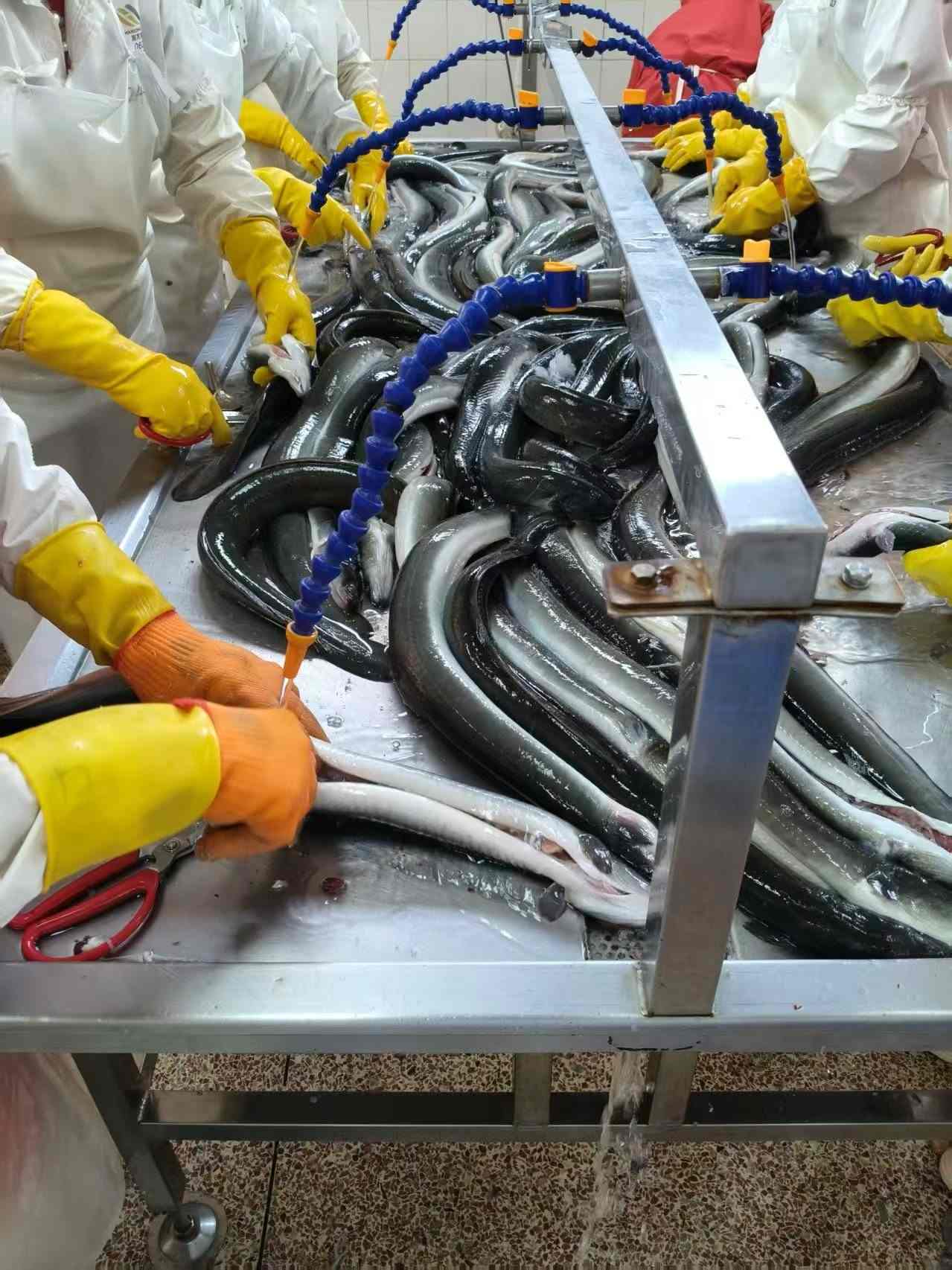
- Country of Origin: China is a world leader in farming and processing high-quality unagi, particularly Anguilla japonica. An origin of China often indicates a product from a controlled and professionally managed unagi eel farm.
- Processing Method: The label should specify "Kabayaki" (grilled with sauce) or "Shirayaki" (grilled without sauce). Both methods are used for unagi. If the product is simply "boiled" or "simmered," double-check if it might be anago.
- Scientific Name: This is the most accurate identifier.
-
Step 3: Analyze the Visuals and Preparation Style
The way the eel is cooked and presented provides strong evidence of its identity.
- Appearance: Unagi kabayaki has a dark, glossy sheen from the caramelized sauce and distinct grill marks. Its flesh is thick and holds its shape perfectly. Anago is typically a paler brown, lacks grill marks, and appears much softer and more delicate.
- Cooking Method: If the eel is grilled over charcoal (or in a commercial oven to simulate it), it is unagi. Its high fat content protects it from drying out. If it is gently simmered in a pot, it is anago, as grilling would cause its delicate flesh to fall apart.
Common Sourcing Mistakes for Frozen Unagi Kabayaki
Sourcing eel can be complex. Avoiding common pitfalls ensures you receive a product that meets your quality standards and provides value. Many buyers focus only on the price per kilogram, but that often leads to costly errors.
Here are the most frequent mistakes we see and how to prevent them:
-
❌ Mistake 1: Assuming All "Unagi" is the Same Species.
The Problem: The term "unagi" is used commercially for several species in the Anguilla genus. While all are freshwater eels, their fat content, texture, and taste vary. A supplier might switch from premium A. japonica to a more cost-effective species like A. rostrata without updating the "unagi" marketing name, leading to an inconsistent final product for your customers.
The Solution: Always request the scientific name on the product specification sheet. For menu consistency, lock in a specific species with your supplier. If you market "Japanese Eel," you must ensure you are sourcing Anguilla japonica.
-
❌ Mistake 2: Underestimating the Importance of the Sauce.
The Problem: The kabayaki sauce (tare) is just as important as the eel itself. Some processors cut costs by using sauces high in corn syrup or with a thin, watery consistency. This results in a product that lacks the deep, savory, and umami-rich flavor that defines quality unagi kabayaki.
The Solution: Request a sample of the frozen unagi kabayaki and evaluate the sauce. It should be thick enough to coat the eel, with a balanced flavor profile from quality soy sauce, mirin, and sake. A superior sauce elevates the entire dish.
-
❌ Mistake 3: Ignoring Bone Content and Workmanship.
The Problem: Unagi contains many fine, hair-like bones. In high-quality processing, these are meticulously removed. Low-cost processors may rush this step, leaving behind small bones that create an unpleasant texture and a negative customer experience. A single bony bite can ruin a meal.
The Solution: Ask your supplier about their deboning process. Reputable manufacturers have multi-stage quality checks to ensure fillets are virtually bone-free. When evaluating a sample, physically check the fillet for any remaining bones.

Matching Unagi Species to Your Menu Application
Choosing the right unagi species depends on your menu's price point, target audience, and the specific application. Each species offers a unique combination of characteristics suitable for different culinary goals.
Anguilla japonica (Japanese Eel)
This is the gold standard for traditional Japanese cuisine. Its high fat content melts during grilling, resulting in an exceptionally rich flavor and tender texture. The skin becomes soft and palatable.
- Best For: Premium sushi bars, authentic unadon or hitsumabushi restaurants, and any menu where authenticity and top-tier quality are the primary selling points.
- Considerations: It carries the highest cost and can be subject to supply fluctuations. It is the best choice for simple preparations like nigiri or shirayaki where the eel's natural flavor is the star.
Anguilla anguilla (European Eel)
A highly versatile and widely farmed species, European eel offers a fantastic balance of quality and value. It is slightly leaner than its Japanese counterpart, which gives it a firmer bite.
- Best For: Sushi rolls (e.g., Dragon Rolls), where its firmer texture helps the eel hold its shape when combined with other ingredients. Also excellent for bento boxes and general foodservice applications.
- Considerations: Its flavor is robust but may be perceived as slightly less delicate than A. japonica.
Anguilla rostrata (American Eel)
This species is known for being leaner and having a milder flavor. Its primary advantage is cost-effectiveness and stable supply, making it a practical choice for large-scale operations.
- Best For: High-volume restaurants, catering services, and processed food manufacturing where price and consistency are the most important factors. It works well in dishes with many other flavorful components.
- Considerations: Due to its lower fat content, care must be taken during cooking to prevent it from becoming dry.
Understanding what type of eel is used in sushi allows you to source smarter, write more accurate menus, and deliver a consistent, high-quality product to your customers. By verifying the species and evaluating the processing quality, you can secure an eel supply that perfectly matches your business needs.
For consistent, high-quality frozen unagi kabayaki with verified species information, contact our team for a product specification sheet and a current price list.